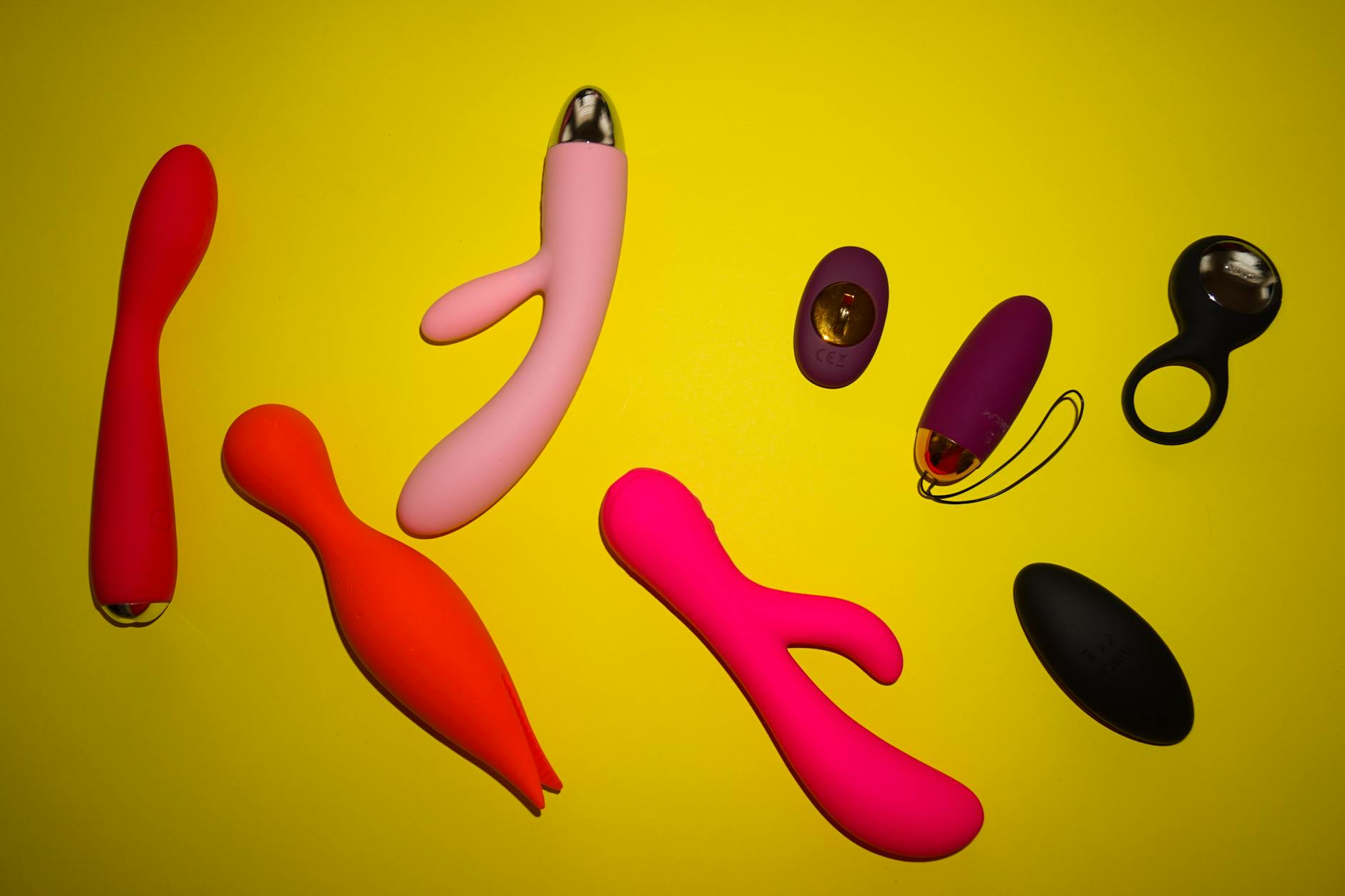
Let's settle this once and for all
You've probably scrolled through lemon vibrators and seen the split: suction or traditional. The internet's advice splits too. Half the posts say suction changed their life. The other half swear by classic vibration. Here's the thing that nobody explains clearly: they're not actually competing. They're doing completely different things to your nervous system.
I work with couples navigating pleasure preferences in long-term relationships, and this question comes up constantly. "Is suction actually better, or is it just a trend?" The answer isn't yes or no. It's that they access pleasure differently. Understanding the distinction is what helps you figure out which one serves you.
How suction actually works (it's not just vibration with a gimmick)
Traditional vibrators make rapid back-and-forth or up-and-down movements. Your clitoris feels each oscillation as a separate micro-stimulation. Quick, rhythmic, linear.
Suction-based toys like the lemon vibrator work through a vacuum seal and pulsing action. Instead of friction against tissue, suction toys create gentle pressure that changes. The sensation is more like a gentle pulling motion combined with subtle pulsation. Your clitoris stays in one place while the sensation moves around it.
This matters because your clitoris has about 8,000 nerve endings concentrated in a small area. Different types of pressure activate different nerve clusters. Suction hits nerve pathways that vibration alone doesn't always reach as efficiently.
Think of it this way: vibration is like tapping. Suction is like cupping your hand and creating a gentle seal. Both can produce pleasure. They just recruit different parts of your nervous system.
The sensation differences (what you'll actually feel)
With traditional vibration, intensity usually scales with speed. You turn it up, it vibrates faster, the sensation builds. The stimulation is constant and consistent. Many people describe it as familiar, directional, easier to control.
With suction, the sensation is more diffuse. It's less about a single point of pressure and more about the whole area responding. The pulsing action creates a rhythm that some people experience as more resonant, less fatiguing. Because suction doesn't rely on friction, it can feel gentler on sensitive tissue even while delivering intense sensation.
Here's what I hear from clients most: suction feels less like something is "doing something to you" and more like your whole clitoris is being engaged at once. That distinction sounds subtle. It's actually profound for some nervous systems.
Why one might work better for your body
Traditional vibrators often win for people who:
- Prefer direct, consistent stimulation in one spot
- Like to build intensity gradually by increasing speed
- Have thicker tissue or lower sensitivity and benefit from the continuous motion
- Tend toward faster orgasms and prefer that familiar rhythm
- Use their vibrator solo and want simplicity
Suction-based lemon clitoral vibrators often work better for people who:
- Have sensitive tissue or recently experienced changes from hormonal shifts (see our guide on how to regain pleasure after hormonal changes for more context)
- Prefer broader stimulation rather than pinpoint pressure
- Have experienced nerve sensitivity or trauma and need a gentler approach
- Tire easily from friction-based stimulation
- Want a sensation that feels fundamentally different from partner sex
I also see suction win in couples who've been together for years and want to interrupt a pattern. If penetrative sex plus vibration has been the rhythm for a decade, switching to suction can feel genuinely novel. That novelty alone shifts the nervous system into a different mode.
The orgasm quality question (what research actually shows)
You'll find claims everywhere: "Suction produces stronger orgasms." "Traditional vibration is more intense." The research is less dramatic than the marketing.
Studies on clitoral stimulation show that orgasm intensity depends way more on arousal level, relaxation, and mental state than on the exact type of stimulation. What matters most is that the stimulation matches what your nervous system is primed to receive.
That said, anecdotally, I see two patterns. Some people report that suction produces more full-body, waves-like orgasms. Others say traditional vibration gives them sharper, more localized orgasms. Both groups feel they've found the "better" option. Because for them, it is.
The pattern I notice most: suction seems to allow longer sensation before climax. Because it's not relying on friction, tissue doesn't fatigue as quickly. That can mean longer buildups and, for some people, deeper orgasms. But that's not universal.
Suction + traditional together (the honest upgrade path)
Here's what I recommend to couples or solo explorers stuck in the binary. Don't choose. Use them differently.
If you have a partner, foreplay might include suction-based stimulation first. It tends to build arousal in a gentler, broader way. Then, as you get closer to climax, switch to traditional vibration if that's what takes you over the edge faster. The combination is less about "which is better" and more about matching the sensation to where your body is in the arousal cycle.
Solo, it's even simpler: try one, notice how it feels, add the other to your arsenal. After a few weeks, you'll know which one serves which moment. Some people reach for the lemon vibrator for a quick, intense session and save traditional vibration for longer exploration.
The lemon vibrator's suction design also means it's less drying to tissue. If you're using traditional vibrators frequently and noticing friction irritation, suction can be a gentler option even if you're not exploring sensation differences. Less friction means less wear on delicate tissue and often less need for additional lubrication.
The partner conversation (bringing this into the bedroom)
If you're thinking about trying a lemon suction vibrator with a partner, the conversation matters. Not because there's anything shameful about it, but because texture and sensation matter in partnership.
Say something like: "I want to try something that feels completely different. It's not about what we've been doing wrong. It's about curiosity." That reframe is important. You're not saying your partner's rhythm isn't working. You're saying you want to explore.
Many partners worry that introducing a device means you're not satisfied. Be clear: "This isn't instead of you. It's an addition." And mean it. If you're using a suction toy, one partner can use it on the other, which is very different from solo use. The presence, attention, and responsiveness of another person changes the whole experience.
If you're already in a rhythm of partner sex plus vibration, switching to suction can actually deepen connection. You're both learning something new together. You're both paying attention to how this different sensation feels. That attention is intimate.
FAQ: Your actual questions answered
Does suction vibrator work if you're very sensitive?
Often better. Because suction doesn't rely on friction, it's gentler on tissue while still being intense. The lack of direct pressure can feel easier to tolerate for longer periods. That said, you still control the strength. Start at the lowest setting and see how it feels.
Can you use a lemon vibrator with a partner inside you?
Yes. Because suction-based toys don't vibrate internally, you can use them while penetration is happening without that buzzing fatigue some people feel with traditional vibrators during partnered sex. The suction sensation adds a layer without the sensory overload.
How quickly do you orgasm with a suction vibrator versus traditional?
It varies wildly by person. Some people climax faster with traditional vibration because it's more direct. Others reach orgasm faster with suction because the broader stimulation builds arousal more efficiently. Give yourself a few sessions to learn your own pattern.
Is the lemon vibrator worth it if I already have a traditional vibrator?
If you're curious about sensation differences, yes. If you're happy with what you have, not urgently. But if you've had the same toy for years and your pleasure has become routine, adding a different option can genuinely recharge exploration. That's not a gimmick. That's nervous system novelty.
Do suction vibrators require more lube?
Actually, less. Because there's less friction, you need less lubrication to keep tissue comfortable. That said, suction does work better with some moisture. A small amount goes a long way.
Can partners both feel suction during sex?
Some. A partner inside the vagina won't feel the clitoral suction directly, but they'll feel your response and any movement shifts. The sensation isn't shared in the way it might be with a vibration that transmits through the body. But the arousal and orgasm it produces absolutely affects the partnered experience.
The real answer
Neither is universally better. Suction-based lemon vibrators deliver a fundamentally different sensation than traditional vibrators because they work through pressure and pulsation rather than friction. Which one produces better orgasms depends on your nervous system, your tissue sensitivity, your arousal style, and what you're looking for in that moment.
The upgrade isn't choosing sides. It's knowing what each one does and picking the tool that matches what you need. Start with curiosity. Notice what happens. Your body will tell you.