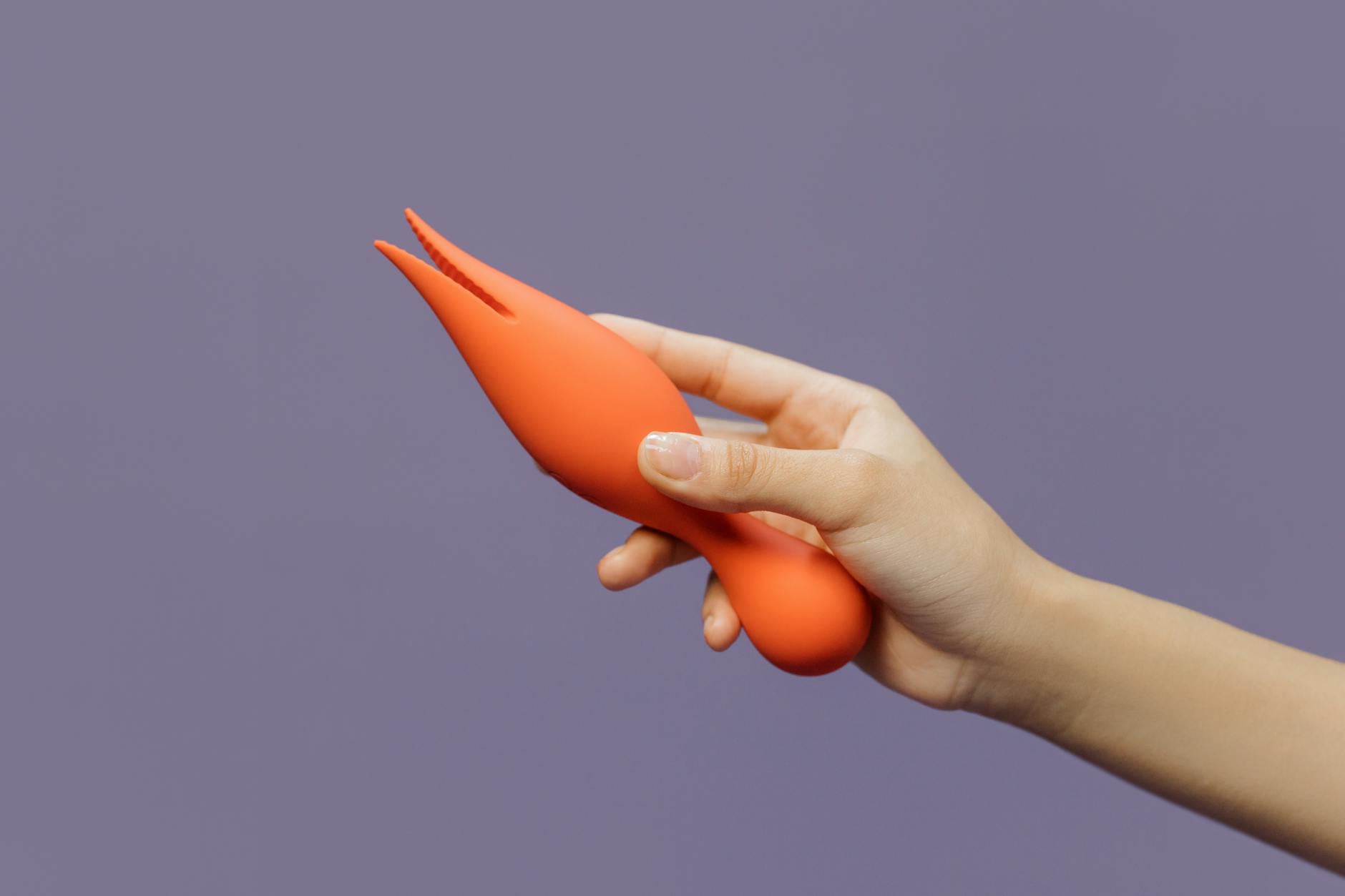
The sensitivity shift nobody warns you about
There's a moment in your forties or fifties when you notice something feels different. Not wrong. Different. The touch that used to make you gasp now feels like background noise. Arousal takes longer to build. Your body speaks a new language, and you're halfway through the conversation before you realize the rules have changed.
Here's the thing: this isn't a sign you're broken. It's a signal that your nervous system is recalibrating. And once you understand what's happening, clitoral vibrators like the Lem become less of a workaround and more of a translation tool.
What actually shifts in midlife sensation
Midlife brings layers of change. Hormonal fluctuations, sure. But also stress, life transitions, relationship rhythms that have been going for decades. Your nervous system absorbs all of it. The result is that your clitoris, which has spent years responding to certain types of stimulation, suddenly needs something different to wake up.
This isn't just about estrogen and testosterone, though they matter. Your pelvic floor muscles tighten differently under stress. Your skin becomes less reactive to light touch. The nerve pathways that carry sensation mature and consolidate, meaning what felt electric at 25 might now feel scattered at 45.
Meanwhile, your arousal system actually wants more input to get going. You need stronger, more consistent stimulation than you did before. It's like your nervous system turned up the volume knob on what registers as pleasurable.
Why standard vibrators miss the mark
Most vibrators, especially rigid wand-style ones, rely on rapid, direct pressure. When your sensitivity has shifted, direct pressure often feels overwhelming or numb at the same time. Your tissues don't want jackhammer frequency. They want something that builds sensation methodically.
That's where air-suction lemon vibrators solve a specific problem. Unlike vibration, suction technology creates rhythmic waves of pressure and release. It stimulates without relying on numbing force. For bodies navigating midlife sensation changes, this distinction matters enormously.
A lemon clitoral vibrator works because it respects what your body has become, rather than asking your body to fit the tool.
How suction adapts to your changing sensitivity
When you use a lemon vibrator on a lower intensity setting, you're getting a sustained, gentle pulse rather than rapid vibration. This gives your nervous system time to register each wave of sensation. Your clitoris can respond at its own pace.
As you build arousal, you can increase intensity. But here's what's different from traditional vibrators: the sensation doesn't spike sharply. It expands. You feel layers of sensation building instead of a sudden shock.
For anyone experiencing sensation shifts after midlife transitions, this graduated approach means you're not fighting your body's new wiring. You're working with it. Many people report that their most satisfying experiences come from lemon vibrators precisely because the tool matched what their body actually needed, not what it used to need.
The warm-up difference that changes everything
In your twenties, foreplay might have been five minutes. Now? Budget 15 to 25 minutes before you introduce the vibrator at all. This isn't laziness. It's your nervous system asking for a proper on-ramp.
Use this time for touch, kissing, mental focus. Get your arousal foundation solid before you use any external tool. Then introduce the lemon vibrator at pattern one or two. Let your body meet the sensation gradually.
Why this works: your clitoris has more superficial nerve endings than any other part of your body. But those nerves need time to become activated. When you're rushing the warm-up, you're trying to turn on a light switch before the circuit is live.
Once you've given yourself permission to slow down, a lemon clitoral vibrator becomes your partner in pacing, not a shortcut.
Managing texture and positioning changes
Sensation shifts sometimes mean that direct, centered pressure feels uncomfortable. Your clitoris might prefer off-center stimulation. Or you might need the vibrator angled differently than you expected.
With air-suction tools, you have control. You can shift your angle, move slightly side to side, or change how much of the head contacts your body. This flexibility is huge when you're learning what your mid-life nervous system actually responds to.
Lubricant matters more now too. Water-based lube isn't just nice. It's essential. Thinner tissue benefits from the glide. It also helps you feel the vibration more clearly because friction isn't interfering with sensation transmission.
Use enough lube that the connection feels smooth. This small detail transforms what a lemon vibrator can do for your pleasure.
When to trust the shift versus when to seek help
Sensation changes during midlife are normal. But if your pleasure disappeared entirely and hasn't returned after three to six months, that's worth discussing with your doctor. Genitourinary syndrome, thyroid changes, or medication side effects can all muffle sensation in ways that require actual treatment.
Similarly, if touch suddenly feels painful or your arousal system feels completely flat despite trying different approaches, don't wait. Talk to a healthcare provider who specializes in midlife transitions. A lemon vibrator is a tool for adaptation, not a workaround for a medical issue.
The distinction matters because sometimes sensation changes are telling you something else is happening in your body that deserves attention.
The partnership aspect: using lemon vibrators together
If you're partnered, midlife sensation shifts often surprise both people. Your partner might interpret your changing responsiveness as waning desire. You might feel frustrated that what used to work no longer registers.
Introducing a lemon clitoral vibrator as a couple can reframe the conversation. You're not saying "I'm broken." You're saying "My nervous system has evolved, and this is how I can show you what feels good now."
Use it during partnered sex. Let your partner hold it. Make it collaborative. Many couples report that this shift actually deepens intimacy because it requires communication and attention in ways that the old rhythm didn't.
Your pleasure after midlife transitions isn't diminished. It's different. The right tool makes all the difference.
Building a playlist of sensation
One advantage of lemon vibrators is the breadth of pattern options. You have steady pulses, waves, escalation patterns, and everything in between. Think of these like a playlist. Some days, you want one pattern. Other days, something else entirely.
As your sensitivity continues to shift and change throughout your midlife years, having this variety means the tool grows with you. You're not stuck with one way of stimulating. You're experimenting and discovering what your current nervous system responds to.
Keep notes. Track what patterns felt best during which emotional and physical states. You'll start to recognize your own rhythms. And when friends ask what changed in your midlife pleasure, you'll have an honest answer: you did the work of learning your body at this new stage.
FAQ: Clitoral vibrators and midlife sensation
Why does my lemon vibrator feel numb after a few minutes of use?
Your nervous system can habituate to constant stimulation. If numbness sets in, pause for 30 to 60 seconds. Let sensation reset. Then resume. You can also switch patterns every few minutes to prevent the adaptation response. If this persists, try a lower intensity setting. Sometimes less is more when your nervous system is recalibrating.
Can I use a clitoral vibrator if my sensation is really unpredictable right now?
Completely. In fact, unpredictability is part of why lemon vibrators help. You can start at pattern one, and if that's too intense, you can pause without losing your momentum. You have control in a way that partnered touch sometimes doesn't offer. This control is genuinely grounding when sensation feels unstable.
Does lube really make that much difference with a lemon vibrator?
Yes. It's not just comfort. Lubricant conducts sensation. It allows the suction and pulse to transmit clearly through your tissue. Without it, you're experiencing friction instead of sensation. Add lube and the same vibrator suddenly feels completely different.
What if my partner is uncomfortable with me using a vibrator during midlife transitions?
This is worth a conversation outside the bedroom. You might say: "My body has changed, and I want to explore what feels good now. I'd love your support in that." If your partner remains resistant after you've explained the physiological reality, that's a separate relationship conversation. Consider exploring how to use a lemon vibrator with your partner after 50 for more nuanced guidance.
How often should I be using a clitoral vibrator during midlife sensation changes?
As often as feels good. There's no quota. Some people use it several times weekly. Others prefer less frequently. The goal is reconnection with your own pleasure, not performance. Listen to your body's signals. If you're trying it because you think you "should," that defeats the purpose.
Can a lemon vibrator help if I'm also experiencing numbness from medication?
Potentially. The strong, targeted stimulation of a lemon clitoral vibrator can penetrate numbing in ways that lighter touch doesn't. But medication-related numbness is different from natural sensation shifts. Talk to your doctor first about whether a vibrator is appropriate for your specific situation.
What comes next
Midlife sensation shifts aren't a sign that your sexual life is winding down. They're an invitation to learn your pleasure at a deeper level. Clitoral vibrators, especially lemon suction tools, are designed for bodies in transition. They meet you where you are rather than asking you to meet them.
Your pleasure matters. So does your curiosity about what your body has become. A lemon vibrator is a conversation between you and your own evolving nervous system. And honestly, that conversation often gets more interesting with time, not less.