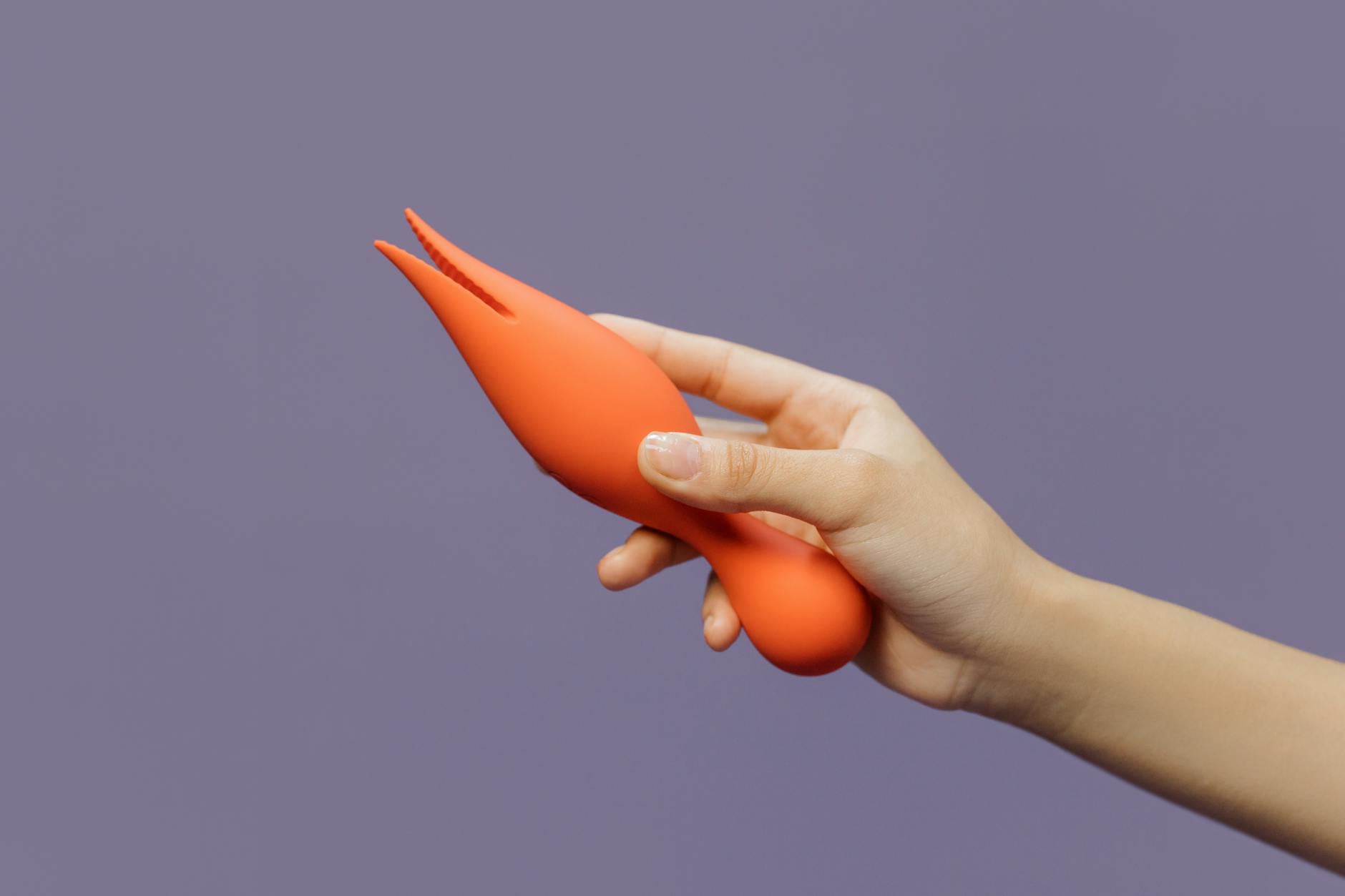
Here's the thing about lemon vibrators
When you start shopping for a clitoral vibrator, you'll notice something immediately: suction lemon vibrators and traditional vibrators are everywhere, and the marketing makes them sound completely different. One promises a "pulse that mimics oral sex," the other swears by "direct stimulation." Both sound amazing. Both can't be right for everyone. So which one is actually right for you?
I've worked with hundreds of people navigating this exact choice, and honestly, the answer depends on your body's preference, not on marketing hype or what your friends loved. Let's cut through the noise.
What suction actually does
Suction lemon vibrators work through rhythmic pressure changes, not friction. When you use a suction vibrator, the head creates a gentle seal against your clitoris and then pulses air pressure, creating a rhythmic compression and release. It's less about vibration speed and more about the pattern of pressure.
This matters because your clitoris has thousands of nerve endings clustered in a small area, and they respond to different types of stimulation differently. Suction stimulates those nerves through pressure waves rather than direct mechanical vibration. The sensation is often described as deeper, rounder, more enveloping. Many people say it builds sensation gradually, peaking into an intense orgasm rather than a sharp one.
The Lemon vibrator uses suction technology, which is why it feels so different from traditional wand vibrators. If you've ever tried a suction-based lemon clitoral vibrator, you know what I mean. The stimulation spreads across the whole area rather than concentrating at one point.
What traditional vibration does differently
Traditional vibrators create continuous or patterned oscillation. The head moves back and forth or in circles at speeds measured in Hz (hertz, or vibrations per second). This is direct mechanical stimulation.
Your clitoris responds to this differently. Traditional vibration tends to feel more localized, more intense right where the vibrator touches, and the sensation builds faster. For some people, this directness is exactly what they need. For others, it can feel overwhelming or even slightly uncomfortable if the vibration is too fast or the head isn't shaped right.
Traditional vibrators usually offer multiple speed and pattern options, which is why they work for such a wide range of preferences. You can find your sweet spot with speed control.
The body-type factor nobody talks about
Here's where individual anatomy comes in. Some people's clitorises sit forward and are easily accessible; others sit deeper under the hood. Some are very sensitive to direct touch; others need firmer pressure to feel anything. These aren't problems, they're just variations.
If your clitoris sits deeper or needs broader stimulation to feel sensation, suction might hit better because it doesn't require the toy to make direct contact with the most sensitive part. If your clitoris is more forward and you love concentrated pleasure, traditional vibration often works faster.
There's also a texture element. The material of the toy, the softness of the head, the shape of the contact surface. These matter way more than most people realize when they're deciding between suction and traditional.
Sensitivity and comfort matter more than trends
Some people feel uncomfortable with the intensity of traditional vibration on their clitoris. It can feel sharp or almost painful even on lower speeds. Others find suction too gentle and want something more direct. Both are completely normal.
If you have sensitive skin or tissue that's easily irritated, suction often wins because there's no friction, just pressure. But if you have nerve pain or certain medical conditions, intense suction can actually feel worse. This is why testing matters more than choosing based on what's popular.
Consider too whether you enjoy a warm-up or whether you like to dive right in. Suction-based lemon vibrators often feel good from the start but build slowly. Traditional vibrators usually create faster arousal for many people. Neither is objectively better; it depends on what your body and your mood prefer on any given day.
How your partner enters the equation
If you use toys with a partner, suction and traditional bring different advantages. Suction lemon vibrators are often quieter, which matters if you care about discretion. They're also gentler to use during partnered sex because there's less direct friction against sensitive tissues.
Traditional vibrators offer more variety in sensations through speed control and patterns, which can create shared exploration. But they take up more space and require more precise positioning. If you're integrating a toy into partnered sex, you might find one approach more practical than the other.
This is actually a conversation worth having. Some couples explore suction and traditional vibrators together to see which feels better during intimacy, and honestly, that experimentation becomes part of the pleasure.
Cost, durability, and what you're actually paying for
Suction lemon vibrators typically cost more upfront because the engineering is more complex. You're paying for the motor and seal technology. Traditional vibrators come at a wider price range, from budget-friendly options to high-end devices.
Durability-wise, both are solid if you buy from a brand that prioritizes quality. Hello Nancy products, for example, are built to last through regular use. Neither type of technology is inherently more fragile. What matters is the motor, the materials, and whether the brand stands behind their product.
Think about it as an investment in pleasure that should last years, not weeks. Cheaper isn't necessarily better if it means replacing the toy every few months.
How to actually test before you commit
Here's the reality: you can't know which type works for you without trying it. Reading reviews helps, but your body is specific. What felt amazing for someone else might feel mediocre for you.
If you're completely new to lemon vibrators, start with reading reviews from people who describe sensations similarly to what you're curious about. Then pick one to try. Most quality lemon clitoral vibrator brands have good return policies if it genuinely doesn't work for you. That's worth using. One toy rarely works for everyone, and that's okay.
Many people end up owning both a suction and a traditional vibrator because they prefer them for different situations. Morning vs. night. Solo vs. partnered. Weekend vs. weekday. Your pleasure toolkit can absolutely include more than one type.
The real difference is sensation, not superiority
Neither suction nor traditional vibrators are objectively better. They're just different pathways to pleasure. Your job is figuring out which pathway your nervous system prefers, and that's purely personal.
Start by thinking about what sensations you generally enjoy. Do you like broad, enveloping pressure or concentrated intensity? Does your body warm up slowly or quickly? Are you sensitive or do you need firmer touch? These questions point you toward the right lemon vibrator for you, not social media trends or what your friends swear by.
If you're still genuinely stuck, consider reaching out directly about your preferences. The team at Hello Nancy genuinely cares about getting this right for you, and they can ask the questions that matter.
Your pleasure is worth taking the time to figure this out properly.
People also ask
Is suction or traditional vibration better for first-time use?
Neither is objectively better for beginners. It depends on what feels right to your body. Some people find suction less intimidating because it feels less intense right away, while others prefer the directness of traditional vibration and find it easier to understand their response. Start with something in the mid-range of intensity and speeds, then adjust from there.
Can you use suction and traditional vibrators with a partner?
Absolutely. Both work during partnered sex, though they require different positioning. Suction vibrators are often quieter and gentler on tissues. Traditional vibrators offer more pattern variety. The best toy is the one that feels good to both of you during intimacy. Many couples discover this through communication and experimentation.
How long does a lemon clitoral vibrator last before it needs replacing?
A quality lemon vibrator from a reputable brand like Hello Nancy typically lasts several years with regular use if you care for it properly. Clean it regularly, store it in a cool dry place, and avoid dropping it. Both suction and traditional vibrators are durable if the motor and materials are solid. Cheaper toys tend to have shorter lifespans, but premium devices hold up well.
Are suction lemon vibrators quieter than traditional vibrators?
Generally yes. Suction vibrators create a pulsing sound without the mechanical hum of traditional vibration. If noise matters to you, suction is typically the quieter option. That said, quality matters. A well-engineered traditional vibrator can be surprisingly quiet at lower speeds.
What if I try a lemon vibrator and it doesn't work for me?
That's normal and it doesn't mean anything is wrong with you or the toy. Bodies are specific. If traditional vibration doesn't feel right, try suction. If suction feels too subtle, try traditional with variable speeds. You might also discover you prefer a completely different approach to pleasure that doesn't involve vibration at all. Your preferences are valid, and finding what works is a process.
How do I know if I need a stronger or weaker vibrator?
Pay attention to what you're actually reaching for in the moment. If you feel like you're chasing sensation and the vibrator isn't quite enough, stronger might help. If even the lowest setting feels intense or uncomfortable, weaker or different technology (like suction) might work better. This can also shift over time, which is why having options is useful.