
The disconnect is more common than you think
Honestly? Pleasure numbness hits harder than we talk about. You might notice it as a flatness during sex, a lack of interest in activities that used to light you up, or that peculiar feeling of going through the motions without actually feeling present. It's not laziness. It's not broken desire. It's disconnection, and it's fixable.
What makes this different from low libido is the sensation itself. Your brain knows what pleasure is supposed to feel like. Your body just isn't reporting back anymore. That gap creates a frustration that's harder to name than simple "not interested."
The good news: lemon vibrators work differently than traditional vibrators, and that difference matters when sensation has gone quiet.
Why numbness happens (and why it's not your fault)
Disconnection creeps in from several angles. Stress keeps your nervous system in fight-or-flight mode, which makes arousal nearly impossible. Certain medications flatten sensation intentionally (that's sometimes their job). Relationship monotony, grief, burnout, even too much of the same stimulation over years can create a kind of sensory fatigue where your body stops registering what used to work.
Then there's the psychological layer. When you've experienced sexual trauma, or when you've spent years performing pleasure for a partner instead of feeling it for yourself, your nervous system learns to check out. Disconnection becomes a survival mechanism.
None of this means you're broken. It means your body is protecting you, and you need a different approach to reconnect.
How lemon vibrators wake up sensation differently
The Lemon clitoral vibrator uses suction technology instead of traditional buzzing vibration. This matters because suction stimulates nerve endings through a different pathway. Think of it as a chain reaction your clitoris hasn't felt in a while.
When sensation is muted, direct stimulation often feels irritating or nothing at all. Suction works through gentle pressure changes that create more diffuse stimulation. You're not trying to force feeling into numb tissue. You're inviting your nervous system to wake up gradually.
The suction pattern also mirrors what happens during partnered sex in a way standard vibrators don't. Your body recognizes the sensation as "real" rather than mechanical, which can help bypass the performance part of your brain and access actual arousal.
The reconnection protocol: starting with lower intensity
Here's what I recommend when pleasure feels distant:
Start on pattern 1. Not because you're broken, but because your nervous system needs to relearn that pleasure is safe. Low intensity allows you to notice micro-sensations without becoming overwhelmed. Numbness often masks underlying tension, and pushing too hard too fast just activates more protection.
Set aside at least 20 minutes. This isn't foreplay. This is an appointment with your own sensation. You're not trying to come. You're practicing feeling. That reframing alone changes the pressure.
Focus on the physical sensations without judgment. What do you notice? Temperature? Pressure? Does the sensation change when you breathe differently? Are there spots on your vulva that feel more alive than others? You're gathering data, not performing.
Give yourself permission to feel nothing at first. Paradoxically, this removes the pressure that keeps you numb. When you stop expecting to feel, feeling often returns. If you approach your own pleasure like a task to complete, your nervous system will stay locked down.
Building the sensation back: a progression that actually works
Once pattern 1 stops feeling like nothing (usually within 3-5 sessions), move to pattern 2. Not because pattern 1 is boring, but because your nervous system is waking up and craving slightly more input.
The gap between patterns on a lemon vibrator is gentler than on traditional vibrators. This graduated approach prevents you from overshooting and numbing yourself again.
After a week or two of consistent use, you might notice sensation returning in other contexts. A partner's touch feels different. Regular vibrators feel too intense suddenly. This is your body recalibrating, not changing. It's a good sign.
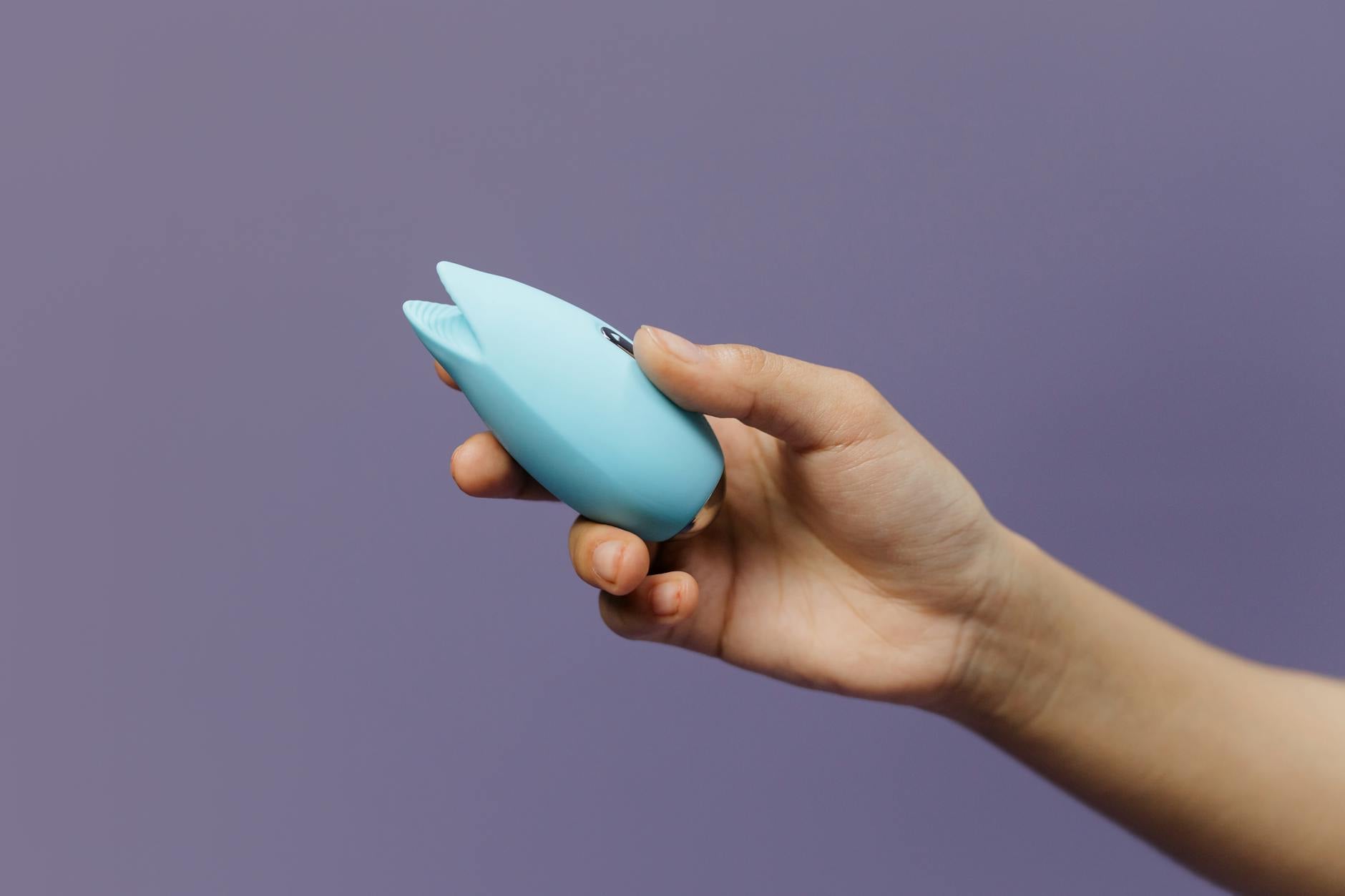
Photo by cottonbro studio on Pexels
The mental piece: what to do about the voice in your head
When pleasure has been absent, reintroducing it often comes with guilt, shame, or a weird sense of unfamiliarity. "Is this weird that I'm doing this?" "Should I feel something by now?" "Am I doing this right?"
These are all your protective mechanisms trying to keep you safe. They're not truth. Your pleasure matters. Your body deserves to feel good. Using a lemon vibrator isn't selfish or strange. It's reclamation.
If you have a partner, you don't have to involve them. This is your reconnection first. Some people find that rebuilding solo pleasure actually improves partnered sex because there's less desperation for sensation and more genuine arousal to share.
If you want to eventually include a partner, that's a separate conversation. Many partners appreciate that you've already done the groundwork of understanding what your body needs.
When disconnection runs deeper (and when to seek help)
If after 4-6 weeks of consistent practice you're still feeling nothing, something else might be at play. Hormonal imbalance, an underlying medication side effect, or trauma that needs professional support.
That's not failure. That's information. A therapist or sex educator trained in somatic work (body-based healing) can help you address disconnection when it stems from healing from sexual trauma. A doctor can check whether medication or hormones need adjusting.
But most of the time? Giving yourself permission, choosing a tool that works with your nervous system rather than against it, and being patient with the process brings sensation back faster than you'd expect.
The reconnection isn't just physical
When pleasure reconnects, everything shifts. Confidence returns. Your body stops feeling like a problem to solve. You remember that you deserve to feel good just because you exist, not because you've earned it or because a partner thinks you should.
That's the real work. The lemon vibrator is just the tool that makes it easier.
FAQ: Your questions about pleasure reconnection
How long does it take to reconnect with sensation after feeling numb?
Most people notice a shift within 2-3 weeks of consistent use (3-4 times per week). But "reconnection" looks different for everyone. Some feel dramatic changes quickly. Others experience a gradual return that's easier to trust because it feels less like switching a light on and more like adjusting your eyes to darkness. Patience here pays off.
Is it normal to feel frustrated when nothing happens the first few times?
Completely normal, and actually a sign you're still trying too hard. That frustration is your productivity-brain expecting sex to work like a checklist. Real sensation works in the opposite direction: the less you expect, the more you feel. Try reframing it as "I'm teaching my body it's safe to feel again" rather than "I need to reach a goal."
Can I use a lemon vibrator if I've never had good sensation even in partnered sex?
Yes. Many people discover solo pleasure through devices before they experience it with partners. Sometimes the stakes feel lower when you're alone, which actually helps sensation return faster. No performance pressure, no worrying about a partner's pleasure, just your own body and what it needs.
What if my partner wants to watch or participate as I'm reconnecting?
Your call, but many therapists recommend solo reconnection first. Having a partner present can activate the performance mode that created the disconnection in the first place. Once you've rebuilt your own pleasure, inviting a partner into that becomes a choice rather than a pressure. If you want them involved from the start, set clear boundaries: they're there to support, not to guide or direct.
Will reconnecting with pleasure using a lemon vibrator change what I need in partnered sex?
Maybe. When you've been numb for years, what you actually want often looks different from what you thought you wanted. You might discover you prefer gentler stimulation, or longer warm-up time, or less frequent sex that feels more intentional. This isn't a problem. It's clarity. Your partner benefits from knowing what actually works for you.
What if I reconnect with sensation but my partner doesn't want to engage with that?
That's relationship data. Pleasure doesn't exist in isolation. If your partner isn't interested in your pleasure returning, that's information about the relationship worth exploring, possibly with a couples therapist. You deserve a partner who wants you to feel good.
You deserve to feel again
Disconnection from pleasure isn't permanent, even when it feels deep. Your body is wired for sensation. Sometimes it just needs permission, the right tool, and time to remember that feeling good is safe.