The thing nobody talks about: arousal isn't what it used to be
You know that feeling you used to get. A thought, a touch, five minutes and you're ready. Now it takes twenty minutes. Or thirty. Or sometimes it doesn't come at all until you've actually started using a toy. This is so common that I'd estimate two-thirds of my clients mention it without me asking.
The silence around this shift is the real problem. Most people assume something is wrong with them. It's not.
What's actually happening in your body
Arousal is a chain reaction. Blood flow, nerve activation, hormone cascades, mental focus. In your twenties and thirties, this machinery ran on a hair trigger. Now it needs more time, more consistent stimulation, or both.
The culprits are straightforward. Estrogen levels drop (even if you're nowhere near menopause; hormonal fluctuation happens across the lifespan). Blood vessel elasticity changes slightly, so vasocongestion takes longer. Your pelvic floor muscles might be less responsive. And here's the thing nobody mentions: your brain is usually working against you. You're thinking about the grocery list, whether you locked the door, what's happening at work next week. That cognitive load kills arousal faster than anything physical can.
Why slower arousal isn't the same as lower desire
This matters because people conflate the two all the time. Slow arousal does not mean you want sex less. It means your body needs a different setup to get there.
Think of it like the difference between a cold engine and a dead one. A cold engine just needs more time to warm up. It'll run perfectly fine once it does. A dead engine is something else entirely. Most people with slower arousal have cold engines. The mechanism works; it just operates on a different schedule.
The case for lemon vibrators when warmup takes longer
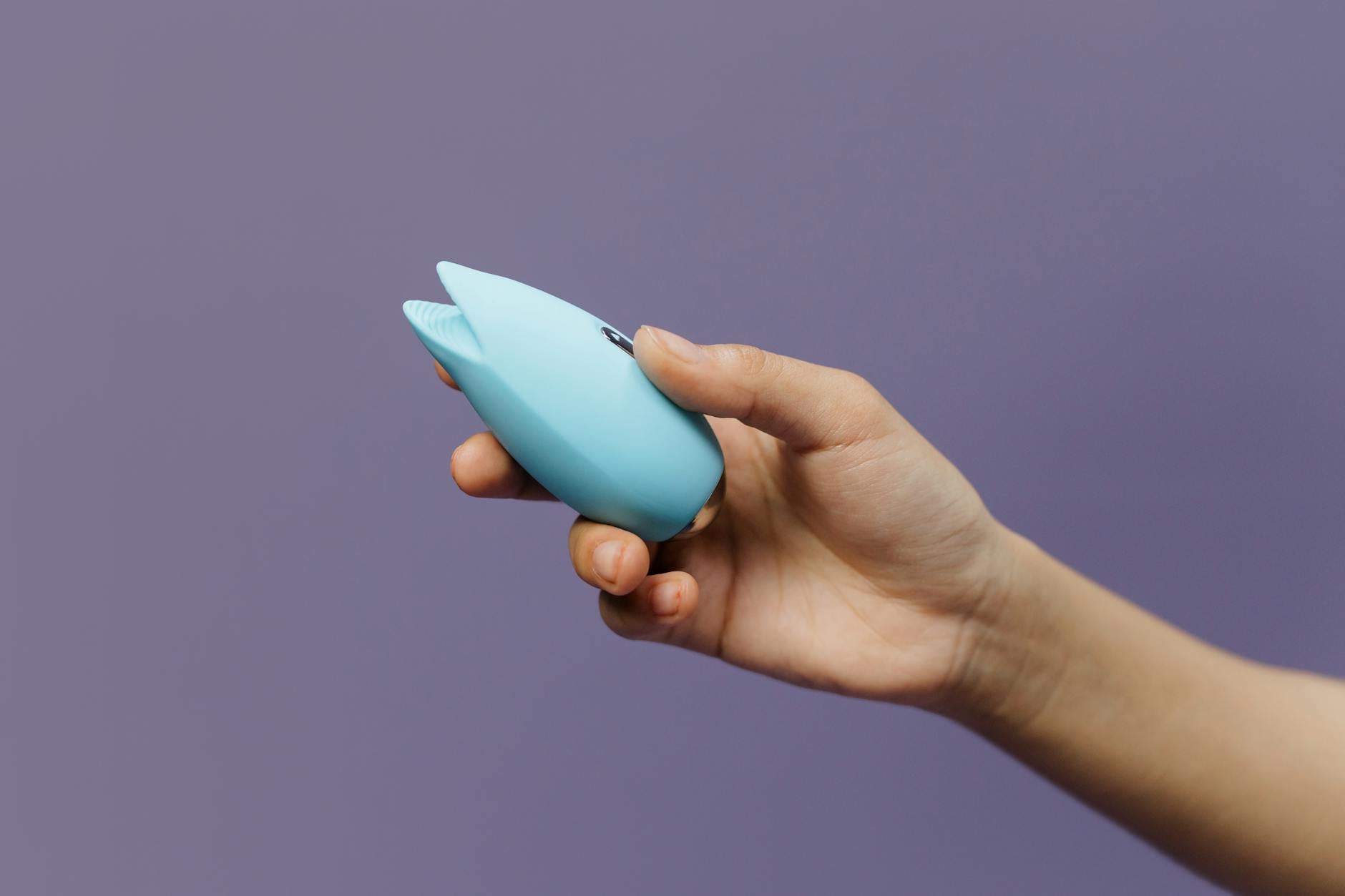
Here's where lemon clitoral vibrators actually shine. A tool like the Lem gives you consistent, targeted stimulation without you having to create it manually. You're not working harder; you're working smarter.
When arousal is slow to build, sustained stimulation matters more than novelty or intensity. You need something that doesn't fatigue your hand, that delivers the same pattern for as long as you need it. Lemon vibrators, especially suction-based designs, do this without requiring you to think about rhythm or pressure. That removes mental friction and lets your nervous system focus on pleasure.
The physical advantage is specific. Lemon sexual toys don't require direct friction, which means you can use them at lower intensities for longer periods without tissue irritation. That matters when you're building arousal slowly. You're not sprinting to the finish line; you're taking a walk and actually enjoying the scenery.
How to set up your space for slower arousal
Environment matters more when arousal is sluggish. Three things help.
First, eliminate time pressure. If you're watching the clock, your nervous system knows it. You'll rush. Block out 45 minutes minimum, not because you need all of it, but because you can relax knowing you have it. Pressure kills arousal dead.
Second, manage sensory input. That might mean putting your phone in another room, closing the blinds, adjusting the temperature. The goal is reducing the number of things your brain has to process. When arousal is slow, every competing input matters.
Third, have water nearby. If you're using a lemon vibrator, water-based lubricant is essential. Keep it within arm's reach so you're not breaking focus to find it mid-session.

Photo by Hanna Brovko on Pexels
The warmup that actually works
When arousal is slow to build, foreplay stops being optional. It becomes the point.
Start with touch that has nothing to do with sex. Your neck, your collarbone, your inner wrists. This isn't teasing; it's activating your nervous system's pleasure receptors before you go anywhere near your clitoris. Spend five to ten minutes here. This sounds like nothing, but it preps your blood vessels and your brain.
Then bring in a lemon clitoral vibrator, but don't go straight to maximum intensity. Start at pattern one or two. The lemon vibrator's suction mechanism is gentler than traditional vibration, which makes it perfect for this. You're building arousal gradually, layer by layer.
Here's the secret nobody tells you. The goal isn't to rush to climax. The goal is to notice that you're actually turned on. Once you feel that shift, that's when you know the warmup worked. Then you can adjust intensity or pattern if you want to. But the hard part is over.
When to use a lemon vibrator vs. waiting for natural arousal
Honestly, this depends on your patience that day and what your partner expects.
If you're solo, a lemon vibrator can be the warmup itself. You're not losing anything by starting with it. Many people find that once they introduce external stimulation, their body catches up fast. The vibration gives your nervous system something to respond to, which helps break through the initial sluggishness.
If you're with a partner, communication matters. Some partners love being part of the warmup. Others get bored. If your partner is hands-on during foreplay and you're using a lemon vibrator together, that's often more effective than either of you trying to do it solo. You're getting manual stimulation plus vibration, which is a different sensation profile than either alone.
The thing to avoid: using a lemon vibrator as a workaround for connection. If the slower arousal is really about feeling disconnected from your partner or from yourself, a toy is a tool, not a solution.
Managing expectations when arousal is on a slower timeline
Here's what I tell clients. If you used to get aroused in five minutes and now it takes twenty, that's not a failure. That's just your body right now.
What you're looking for is consistency, not speed. Can you rely on your body to respond if you give it the right conditions? That's the win. If the answer is yes, then slower arousal is a feature, not a bug. It forces you to be intentional. To plan. To actually think about what turns you on instead of just reacting.
For many people, that intentionality is the missing ingredient that changes everything. Once arousal is a conversation you have with your body instead of something that just happens, it often becomes more reliable. Not faster, but steadier.
The role of consistency and what actually helps
This is research-backed. Regular sexual activity, whether solo or partnered, keeps your blood vessels responsive. It's like exercise for your arousal system. If you go weeks without any sexual activity, then expect to get aroused in five minutes when you finally try, you're asking your nervous system to do something it hasn't practiced.
That doesn't mean you have to be having sex constantly. It means regular stimulation, even if it's short, helps. A five-minute lemon vibrator session twice a week does more for your long-term arousal capacity than a once-a-month ninety-minute session.
This is where a lemon clitoral vibrator actually saves time. Because it's easy to use and effective, you're more likely to use it regularly. No performance pressure, no partner logistics, just you and the toy for ten minutes.
When slower arousal signals something else
Sometimes sluggish arousal isn't about your body. It's about your relationship, your mental health, or your medication.
If arousal got slower suddenly, and nothing else in your life changed, that's worth checking out with a doctor. Medication side effects are real. Depression is real. Relationship disconnection is real. A lemon vibrator might help with the mechanics, but it won't fix the underlying issue.
But if this slowness crept up over years and nothing else is obviously wrong, then you're probably just dealing with a natural shift. In that case, adapting your approach, giving yourself more time, and using tools like a lemon vibrator is the right move.
FAQ: Arousal, lemon vibrators, and taking your time
How long should I spend on warmup before using a lemon vibrator?
There's no magic number, but fifteen to twenty minutes is a good baseline. That includes non-sexual touch, a shift in mental focus, and maybe some breathing or gentle movement. Once you feel a shift in your body (slight tingling, warmth, heart rate increase), that's your signal that you're ready to introduce more direct stimulation. Some days you'll need forty minutes. Some days fifteen is enough. The point is listening to your body, not the clock.
Can a lemon clitoral vibrator actually speed up arousal or just help you enjoy it more?
Both. Sustained stimulation from a lemon vibrator can accelerate blood flow, which speeds up arousal. But the bigger effect is psychological. When you know arousal is coming, when you have evidence that your body works, that confidence changes everything. Over time, your body learns the pattern. The next time gets faster.
Is it normal to need a lemon vibrator now when I didn't use to?
Completely normal. Your body changes. Your nervous system becomes less sensitive to light touch as you age. Your hormone levels shift. Adding a tool isn't a sign of decline; it's a sign of adaptation. People don't usually shame themselves for wearing reading glasses at fifty, but they shame themselves for needing different sexual stimulation. The logic doesn't track.
What if my partner thinks needing more warmup means I'm less attracted to them?
This is a conversation worth having directly. Your body's warmup timeline has nothing to do with attraction and everything to do with physiology. Some of the people most attracted to their partners have the slowest arousal. Reframe it: longer foreplay is a gift, not a burden. And if your partner resists that, you might be dealing with a relationship issue, not an arousal issue.
Does the Lem work better for slow arousal than other clitoral vibrators?
The Lem's suction mechanism is gentler than traditional vibration, which matters when you're building arousal slowly over time. You can use it at lower intensities comfortably, and you can sustain it for longer without discomfort. But any lemon vibrator designed for extended use will help. The point is consistency and comfort, not a specific brand.
If arousal is slow, does that mean I should use a vibrator every time?
No. Some sessions you might want to see if your body can get there without one. Others you'll use a lemon vibrator from the start. The tool should make your life easier, not more complicated. Use it when it serves you. Skip it when you don't need it. There's no wrong answer here.
You're not broken. You're just different now.
Slower arousal is one of those things that feels personal and isolating until you realize it's completely normal. Your body isn't sending you a message that something is wrong. It's sending you a message that your approach needs to shift.
That might mean more time. More intentionality. More tools. A lemon clitoral vibrator is one option in that toolkit. It works because it's consistent, it's gentle, and it doesn't require you to think about rhythm while you're trying to get in the mood.
Give yourself permission to need what you need. Take the time your body asks for. And if a tool helps, use it. Your pleasure matters, and it's worth the extra twenty minutes.
Have questions about how to integrate a lemon vibrator into your routine? Get in touch with Get Lemon Vibrator or check out our buying guide for more.