Let's name the real problem
You want more pleasure. Your partner wants you to want more pleasure. Neither of you has actually said this out loud. Instead, you orbit the topic. You drop hints. You feel resentment building. And somewhere along the way, introducing a sex toy started feeling like an accusation rather than an invitation.
Here's the thing: you're not broken at communication. You're just trying to have a conversation in English when you've never learned the grammar.
Why lemon vibrators work as conversation starters
A clitoral vibrator is not just a tool for pleasure. It's permission. It's a concrete object that sits between you and makes the conversation less about "what's wrong with us" and more about "how can we explore this together."
When pleasure tools exist in your relationship as something you actively use, the dynamic shifts. You're no longer having a hypothetical conversation about desire. You're having a practical one. You're problem-solving together instead of defending separate positions.
A lemon vibrator specifically works because it's visually gentle, the sensation is distinct enough that it genuinely changes the experience, and it doesn't require performance anxiety. There's no "working it out." You turn it on and notice what happens.
The opening move: timing and context
Don't introduce a toy mid-intimacy if you haven't talked about it first. That's not spontaneity. That's ambush. And it confirms the thing your partner might already suspect: that you're unsatisfied.
Instead, create space for conversation outside the bedroom. This is crucial.
Pick a low-pressure moment. Not during conflict. Not when you're both rushed. A walk, a car ride, after dinner when the dishes are done. Somewhere that feels neutral and doesn't have the weight of "this is a serious talk."
Start with what you want, not what's wrong. "I've been thinking about trying something new because I want to feel more connected to my own pleasure." Not: "We need to fix our sex life." Not: "I'm not satisfied." The first version invites curiosity. The others invite defensiveness.
How to actually introduce it
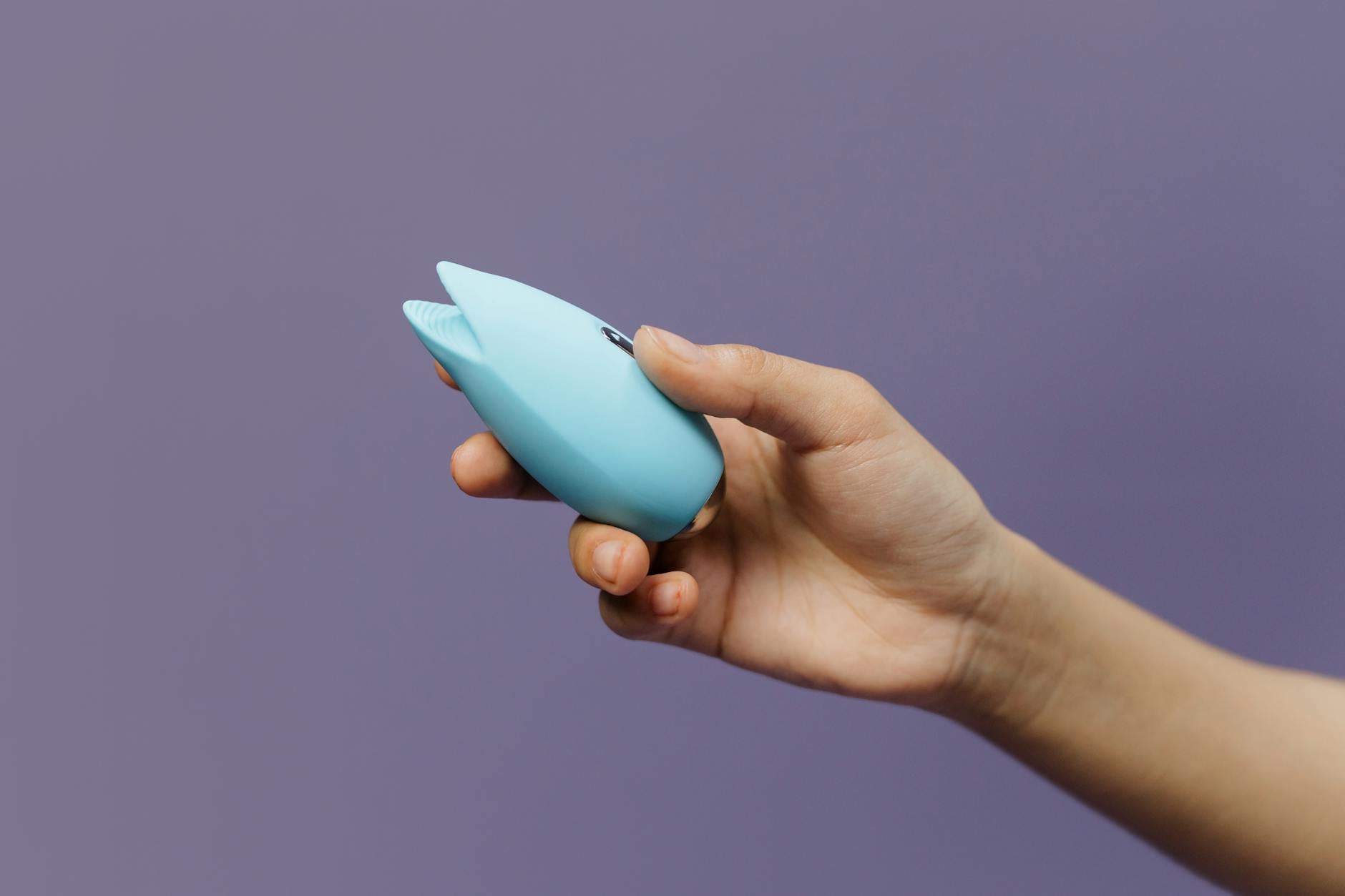
Bring the lemon vibrator into the conversation physically. Let your partner hold it. Feel the weight of it. It's much less intimidating when it's in your hand than when it's theoretical.
Explain how it works without jargon. "This uses suction instead of vibration, so it feels completely different. I want to try it because I've heard it can help me feel more sensation." You're naming a specific desire, not implying dissatisfaction with them.
Ask what they're worried about. Most resistance isn't about the toy itself. It's about what the toy represents. Your partner might think:
- They're not enough
- You don't want them anymore
- This means your relationship is in trouble
- They're inadequate somehow
None of those are true, but if they're thinking them, no amount of reassurance will land until you name them directly. So ask. "What worries you about this?" And then listen. Don't defend. Don't fix. Just hear what's actually underneath.
The first time together: removing pressure
Don't make the first use of a lemon clitoral vibrator about achieving orgasm. That adds pressure you don't need. Make it about noticing.
Use it solo first if you need to. Many people benefit from getting comfortable with the sensation privately before integrating it into partnered sex. That's not cheating the experience. That's being honest about what helps you feel safe.
When you do use it together, start outside the context of penetration. Use it during foreplay. Let your partner see how you respond. Let them ask questions: "Does that feel good? Can you feel that?" Make it conversational and curious rather than performative.
Here's what often happens: watching your partner use a lemon vibrator often makes partners more interested, not less. Because they get to see your pleasure happen in real time. They see the change in your breathing, your expression. They're present for something they usually aren't part of. That's intimacy.
Shifting the narrative
If your partner is still hesitant, reframe what's happening. You're not replacing them with a toy. You're adding something that changes what's possible in the experience you share.
Think of it like this: if you both enjoyed hiking but you had a blister, a better shoe wouldn't be an insult to the original shoe. It would be the thing that let you hike further together.
A lemon sexual toy works the same way. It's not "your partner isn't enough." It's "here's a way to feel more during the time we're together."
When resistance persists
Sometimes your partner will need time. That's okay. Don't push. But also don't abandon the idea or pretend you don't want it.
Instead, let it sit. Bring it up occasionally without drama. "I'm still interested in trying that together." Not begging. Not resentful. Just consistent about what you want.
If the resistance is severe or rooted in something deeper, that might be worth exploring with a couples therapist. Because the toy isn't really the issue. The communication pattern is. And that's fixable with the right support.
Building a shared language
Once you've opened this door, you have something new: a shared vocabulary for desire. You can talk about what feels good. You can experiment without shame. You can ask for what you want without it feeling like criticism.
That's the real gift of bringing lemon vibrators into your relationship. It's not the toy itself. It's the permission to want things and ask for them. It's the proof that you can have a conversation about sex that doesn't end in argument or hurt feelings.
It's the beginning of genuine intimacy instead of the thing you've been circling around.
People also ask
How do I bring up using a lemon vibrator if my partner thinks sex toys are weird?
Start with curiosity instead of advocacy. "I read about clitoral vibrators and I'm curious what you'd think about trying one together." Separate their discomfort from the actual object. Often people think they don't like something because of a story they've told themselves, not because of experience. Offer to watch a positive review together or read an article. Sometimes third-party validation makes it feel less like a personal request.
What if my partner sees the toy as a threat to their masculinity or sexual skill?
That's a belief worth addressing directly and gently. You might say: "A lemon vibrator doesn't replace what you do. It changes how I feel so that I can be more present with you. That's actually a gift to both of us." Sometimes showing him that you still want him, that the toy just enhances the experience you're sharing, helps reframe it. If that doesn't land, deeper insecurity might need couple's counseling to unpack.
Can I use a lemon clitoral vibrator during penetration if my partner is nervous about it?
Absolutely. In fact, this might be the gentlest introduction. You're not doing something separate from your partner. You're adding sensation to what you're already doing together. They get to feel how it changes your response. They're still central to the experience. Many couples find this makes the conversation easier because it's collaborative from the start.
How do I know if my partner is secretly okay with the toy but just saying no?
You don't, so don't assume. People are often scared to be honest because they think honesty will hurt you or change how you see them. Create safety by saying things like "I want this for both of us, and if you're uncomfortable, I want to know why, not just that you don't want to." When someone feels genuinely heard, they often soften over time.
What if we try it and my partner hates it?
Then you stop using it together. But you might still use it solo. The introduction of lemon sexual toys into your relationship doesn't have to be all-or-nothing. Some couples use them sometimes, not always. Some people prefer them solo. That's all fine. The real win is that you talked about it and tried something new together. The actual outcome matters less than the fact that you were willing to explore.
How soon after this conversation should we actually try using the toy?
Give it a week or two. Let the conversation breathe. Let your partner sit with the idea without pressure. Then bring it up again casually, not as "the big moment" but as "hey, are you feeling ready?" Taking time removes the ceremonial pressure and makes it feel more natural when it actually happens.
The bigger picture
Communication about sex rarely gets easier on its own. It gets easier when you practice it. When you mess it up and try again. When you realize your partner isn't actually judging you for wanting things.
A lemon vibrator is just an excuse to have a conversation you've needed to have anyway. The real work is learning to say "I want this" and hear "Tell me more" instead of silence or judgment.
That's the intimacy that matters. The tool is just what gets you there.