Here's what actually happens to your body
Let's be real. Estrogen doesn't just affect your skin and mood. It directly changes how your vulva feels, how quickly you get aroused, and what kind of stimulation works best. When estrogen drops, the tissue in your vagina and vulva becomes thinner. Lubrication production slows down. Blood flow to the clitoris takes longer to peak. None of this means pleasure ends. It means the path to pleasure shifts.
This happens gradually during perimenopause and moves into full menopause. It can also happen after breastfeeding, due to hormonal birth control, or from certain medications. If you're experiencing these changes, you're not alone, and you're not broken.
Here's the part nobody explains clearly: your clitoris still has all the same nerve endings it did at 25. Your brain still lights up the same way during arousal. The change isn't in your capacity for pleasure. It's in the delivery mechanism.
What estrogen actually controls
Think of estrogen as the maintenance crew for vaginal and vulvar tissue. When levels drop, three things happen physiologically.
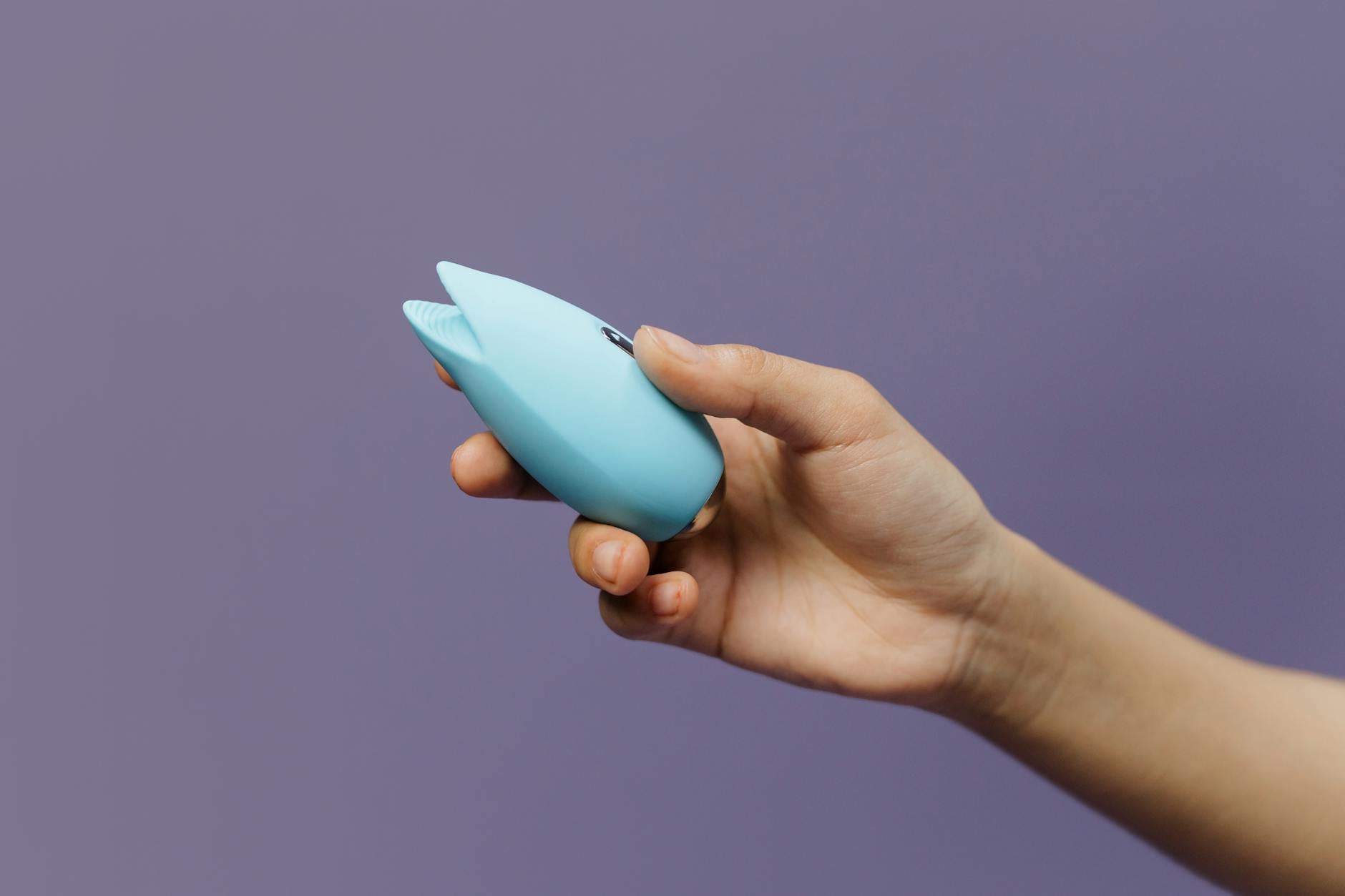
Tissue thinning. The vaginal wall loses elasticity and thickness. The vulva loses plumpness. This isn't dangerous, but it means direct pressure from traditional vibrators can feel intense or uncomfortable. That's where clitoral suction vibrators like the Lem shine. Suction works differently than vibration. It creates a gentle pressure wave that stimulates the clitoral complex without harsh friction on thinner tissue.
Lubrication shifts. Estrogen triggers natural lubrication production. When it drops, that faucet doesn't turn off entirely, but it definitely dims. Your body can still produce lubrication with arousal, but it may take longer to show up and feel thinner. Water-based lubricant isn't a sign of failure. It's a tool that works with your body's current chemistry.
Blood flow changes. Arousal depends on blood rushing to the clitoris and vagina. Estrogen keeps those blood vessels responsive. Lower estrogen means arousal builds more slowly. This isn't a permanent slowdown in capacity. It's a longer warm-up time before the same sensations hit the same intensity.
All three of these are manageable. All three have workarounds that actually feel better than what came before.
Why clitoral suction feels different when estrogen drops
There's a reason lemon vibrators and similar clitoral suction toys have become standard recommendations in menopause and perimenopause support groups. The mechanism just works better with lower estrogen.
Traditional vibrators move back and forth or side to side. They work by stimulating surface nerves through friction. When tissue is thinner, that friction can feel abrasive or even painful. Clitoral suction vibrators create a rhythmic vacuum around the clitoris. This stimulates the nerves without the same mechanical pressure. It's gentler on tissue and often produces stronger sensations because suction engages more of the clitoral structure, including the internal bulbs and crura that extend into the pelvis.
Many people report their most intense orgasms come after estrogen drops. This isn't a consolation prize. It's a clinical observation I see across people I work with. The reason is partly mental (fewer hormonal distractions, more permission to focus on pleasure) and partly physical (suction technology is genuinely better engineered than vibrators from ten years ago).
The Lem, for example, uses gentle air-pulse technology that mimics oral suction. It doesn't vibrate the clitoris. It pulses around it. Users consistently report that this feels less intense than they expected and more satisfying than they anticipated.
Adjustments that work immediately
If you're using a lemon clitoral vibrator or considering one, here's what I recommend to clients navigating lower estrogen.
Start at intensity level 1 or 2. Don't assume you need the same intensity you used before. Your tissue is more sensitive to pressure now. You can always turn it up. You can't un-feel an intensity that's too much.
Use water-based lubricant every time. Not because anything's wrong with you. Because water-based lube is designed to work with your body's natural chemistry and feels better when tissue is thinner. Apply it to your vulva, not just the toy. The goal is comfort, not efficiency.
Extend your warm-up. Arousal takes longer now. Budget 20 to 25 minutes of foreplay or solo exploration before using the lemon vibrator. This isn't wasted time. It's how your body builds the blood flow and lubrication that makes everything feel better. Rushing defeats the point.
Focus on the clitoral glans and hood. The glans (the sensitive head of the clitoris) stays responsive regardless of estrogen. The hood (the tissue covering the glans) may feel different. Some people prefer more direct contact now. Others prefer indirect stimulation through the hood. Experiment with positioning the Lem or your toy slightly differently to find what feels right.
Alternate between suction and other touch. If you have a partner, use lemon vibrators during partnered sex but also make space for hands, oral sex, and simple touch. Variety keeps everything feeling fresh and prevents any single stimulation from feeling like the only thing that works.
What doesn't change when estrogen drops
This matters because the narrative around perimenopause and menopause often frames pleasure as something you lose. That's not accurate.
Your capacity for orgasm remains intact. Different tissues may respond differently, but the neural pathways that create orgasm are still there. Many people report that their orgasms feel more localized now, concentrated in the clitoris rather than full-body. That's not worse. It's just different. And for many, it's more intense.
Your ability to feel pleasure doesn't change. Your desire doesn't automatically vanish. The cultural narrative suggests it does, but that's largely myth mixed with stress, relationship dynamics, and body image shifts that have nothing to do with hormones.
Your capacity for sensation in your clitoris is unaffected by estrogen. The clitoral nerve density is set at birth and doesn't change. What changes is how quickly blood gets there and whether surrounding tissue is thin or plump. Neither affects the nerve's basic ability to feel and transmit sensation.
When to bring in professional support
If penetration has become painful during sex, that's worth mentioning to a doctor. Genitourinary syndrome of menopause, or GSM, is highly treatable with topical estrogen creams that work locally without significant systemic absorption. A few weeks of treatment can completely transform the experience.
If you've lost all desire and it's not returning with time and rest, consider talking to a menopause specialist about testosterone replacement. Testosterone drives desire in all bodies with ovaries, and when it drops alongside estrogen, desire can flatline. Testosterone therapy isn't right for everyone, but it's worth discussing with a provider who specializes in menopause.
If you're on medication that affects arousal (SSRIs, blood pressure meds, hormonal birth control), ask your prescriber if there are alternatives that might work for your condition. Sometimes a simple switch makes a profound difference.
The bigger picture
Estrogen drop is not a crisis. It's a transition. Your body is shifting into a new baseline. That baseline isn't worse. It's different. And when you have the right tools, the right information, and the right expectations, that difference often translates to deeper pleasure, more ease, and better self-awareness about what actually feels good.
Clitoral suction vibrators like lemon vibrators work beautifully during this transition because they're designed around how your body actually functions when estrogen dips. They're not a workaround. They're an upgrade. Start slow, use lubricant, and give yourself permission to explore what feels right now. Your pleasure matters as much as it did before, just on different terms.