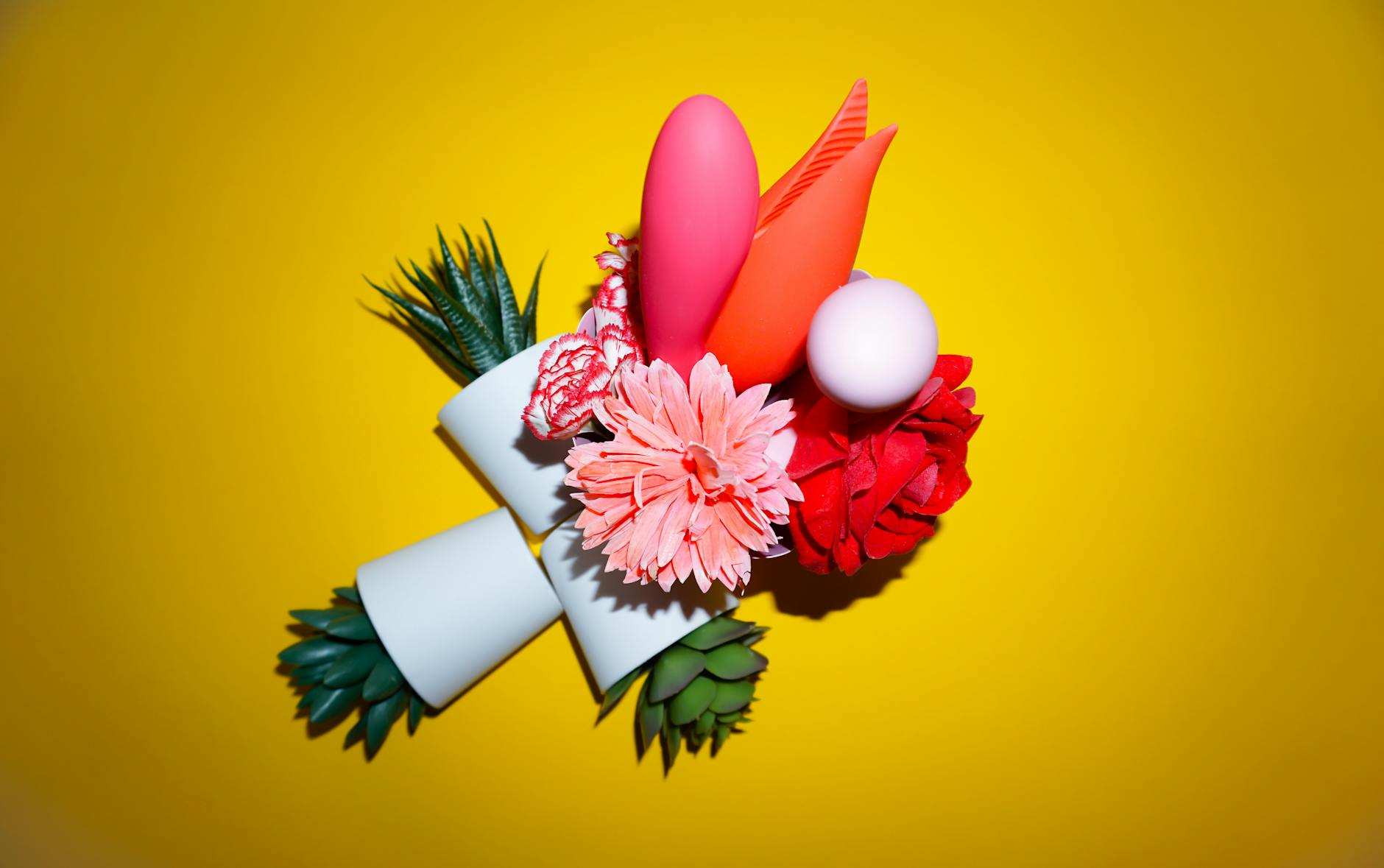
Here's what nobody tells you about pain during sex
Pain during sex is more common than you think. Around 3 in 10 women experience it at some point in their lives, yet most suffer in silence because the topic feels too intimate or too complicated to address. Between you and me, that silence makes everything worse.
The thing is, pain during sex isn't a personality flaw or a sign that your body is defective. It's a signal. Your nervous system is telling you something needs attention. Once you understand what that something is, you can actually do something about it.
Why pain shows up in the first place
Pain during sex can arrive for a bunch of reasons, and sometimes there's more than one at play.
Physical causes are the most straightforward. Inadequate lubrication, pelvic floor tension, tissue inflammation, or conditions like endometriosis can all create friction or pressure that signals pain. Hormonal shifts (from birth control, postpartum recovery, or menopause) thin vaginal tissue, which changes how stimulation feels. Sometimes it's an infection or scar tissue from an old injury.
Psychological causes matter just as much. Anxiety about sex, past trauma, relationship tension, or simply being in your head rather than in your body can cause the pelvic floor muscles to tighten reflexively. Your brain doesn't distinguish between "real danger" and "I'm worried about this." It just locks down.
The stress loop is where things get tricky. Pain happens once, your nervous system remembers, you anticipate pain the next time, that anticipation triggers tension, and suddenly pain appears even if the original cause is gone. You're not imagining it. Your body is genuinely protecting itself.
Here's the hopeful part: once you understand which bucket you're in, almost all of these respond to the right approach.
How a lemon clitoral vibrator changes the equation
A lemon vibrator like the Lem works differently than other toys. The suction-based design creates gentle pressure waves instead of direct friction. This matters when pain is the barrier.
Direct friction can feel overwhelming or irritating when tissue is sensitive or when your nervous system is already in protective mode. The Lem's approach works with your body's natural response instead of against it. Suction stimulates the thousands of nerve endings around the clitoris without the mechanical intensity that sometimes triggers pain or discomfort.
When you use a lemon clitoral vibrator this way, you're not pushing through anything. You're inviting your nervous system to relax by introducing sensation that feels good without the threat component. This gradually retrains your body's pain response.
I've seen people who haven't been able to have penetrative sex for months suddenly rebuild comfort because they started with the sustained, gentle pressure of a suction toy. That reset allows the whole system to recalibrate.
The practical steps for using a lemon vibrator when pain is part of the picture
Start solo and without pressure. This is non-negotiable. Your body needs to learn that pleasure is possible in an environment where there's zero performance expectation and zero pressure to "succeed." Set aside time when you're not trying to lead to sex or orgasm. Just exploration.
Use lubrication even though it might feel unnecessary. Water-based lube creates a barrier between your skin and the toy, which reduces friction and signals safety to your nervous system. It's not about fixing a "problem." It's about creating optimal conditions for your body to relax.
Start at the lowest setting. The Lem has multiple intensity levels. Begin at pattern 1 or 2. The goal isn't intensity. It's sensation without overwhelm. Spend 5-10 minutes at that level before considering moving up. Your nervous system needs time to recognize that this input is safe.
Focus on breathing. This sounds basic, but most people hold their breath when they're anxious or when they anticipate discomfort. Shallow breathing keeps your nervous system in protection mode. Slow, intentional breathing activates the parasympathetic nervous system, which is the opposite of fight-or-flight. Breathe like you're trying to calm down, not excite yourself.
Notice what sensations emerge. Pain and pleasure live on the same neural pathway. As you practice with the lemon vibrator, you might notice tingling, warmth, or pressure that's different from pain. That's your body learning to distinguish between threat and input. Spend time with that sensation without trying to turn it into an orgasm.
Once you've rebuilt comfort solo, you can gradually introduce the lemon clitoral vibrator into partnered sex if that feels right. The confidence from solo exploration often makes everything easier.
When pain during sex needs professional support
If pain is sharp, severe, or hasn't improved after 4-6 weeks of exploring with the right approach, talk to a healthcare provider. Conditions like vaginismus (involuntary pelvic floor clenching), endometriosis, or pelvic floor dysfunction are real and treatable. A pelvic floor physical therapist can identify what's happening and guide you toward solutions. Some people need both the physical work and the nervous system reset. That's completely normal.
Rebuilding your relationship with pleasure
Here's what matters most: pain during sex often makes people feel disconnected from their bodies and sometimes from their partners too. Using a lemon vibrator to rebuild comfort is about more than sensation. It's about reclaiming your right to feel good. It's about proving to yourself that your body can respond with pleasure, not just protection.
I work with couples where one partner has experienced pain, and I always emphasize this point to both of them: you're not broken. You're not being punished. Your body is doing what it thinks it should be doing. And that response is trainable. The Lem's gentle approach makes that retraining feel patient and manageable instead of like another source of pressure.
When you move through this process, you're not just fixing a mechanical problem. You're rebuilding trust with your own body.
People also ask
Can I use a lemon clitoral vibrator if I have chronic pain during sex?
Yes, but start very gently. Chronic pain situations often involve nervous system sensitization, meaning your body is more reactive to input. The Lem's low-intensity settings and suction-based design make it gentler than traditional vibrators. Still, work with a healthcare provider or pelvic floor therapist. They can tell you whether your specific pain pattern makes vibrator use helpful or whether you need a different approach first.
How long before a lemon vibrator helps reduce pain during sex?
The nervous system doesn't work on a strict timeline. Some people notice a shift in comfort within 2-3 weeks of consistent solo practice. Others need 6-8 weeks. Consistency matters more than speed. If you're using the toy once and then waiting two weeks, your nervous system doesn't have the repetition it needs to recalibrate. Aim for 2-3 times per week as a starting point.
Is a lemon vibrator enough, or do I need to see a therapist too?
It depends on the cause. If pain is primarily physical (low lubrication, hormonal changes), the vibrator alone combined with lube and patience can make a real difference. If pain is tied to anxiety, trauma, or relationship tension, you'll benefit from working with a therapist or counselor alongside the physical exploration. Many people need both. There's no shame in that.
Can my partner help me use a lemon clitoral vibrator if I have pain during sex?
Absolutely, but the first step should be solo. Your nervous system needs to establish that the sensation is safe without the added variable of partner interaction. Once you've built comfort alone, your partner can gradually be part of the experience. Start with them nearby but not touching, then move to them participating. This staged approach prevents the old anxiety patterns from kicking back in.
What if a lemon vibrator makes pain worse?
Stop and reassess. Pain worsening usually means one of three things: the intensity is too high, you're not using enough lubrication, or the timing isn't right (your body might still be too activated from stress or anxiety that day). Try reducing intensity, adding more lube, or picking a different time when you feel more relaxed. If pain still increases, that's worth discussing with a healthcare provider. Some pain patterns aren't suited to vibrator use, at least not initially.
Does using a lemon vibrator mean penetrative sex will eventually feel fine?
Often yes, but not guaranteed. The gentle, nervous-system-friendly approach of the Lem can help your body remember that pleasure is possible, which often carries over into partnered experiences. But some people need additional support like pelvic floor physical therapy or relationship counseling. The vibrator is one powerful tool, not the whole toolkit.
Moving forward
Pain during sex is fixable. Not always overnight, and not always without support, but fixable. A lemon vibrator becomes part of that solution because it respects your nervous system's need for gentleness while still offering real stimulation. You're not pushing through anything. You're inviting your body to relax and remember what pleasure feels like.
If you're ready to explore this, start solo with low expectations and high patience. If you need professional support, reach out. Your pleasure matters, and your body deserves the chance to experience it without pain.
Have questions or want personalized guidance? Get in touch at /contact. I'm here to help you navigate this.