The dynamic nobody talks about openly
Let's be real. When your partner expects sex, wants it frequently, or gets visibly disappointed when you're not in the mood, something inside you shuts down. This isn't prudishness. This isn't a libido problem. This is your nervous system protecting you from feeling trapped.
Performance pressure is a genuine arousal killer. It rewires the connection between desire and touch so thoroughly that even alone, even with a clitoral vibrator designed to feel incredible, your body can struggle to respond. You're not broken. You're dealing with a communication problem wearing a sexual disguise.
What partner pressure actually does to your nervous system
When sex feels obligatory, your brain categorizes it as a stressor, not a pleasure. The hypothalamus starts triggering cortisol (your stress hormone) instead of dopamine (your pleasure chemical). Over time, your body learns to tense up at the first hint of sexual attention from your partner. Your pelvic floor stays tight. Your breath shortens. Your vagina might not lubricate. None of this is conscious.
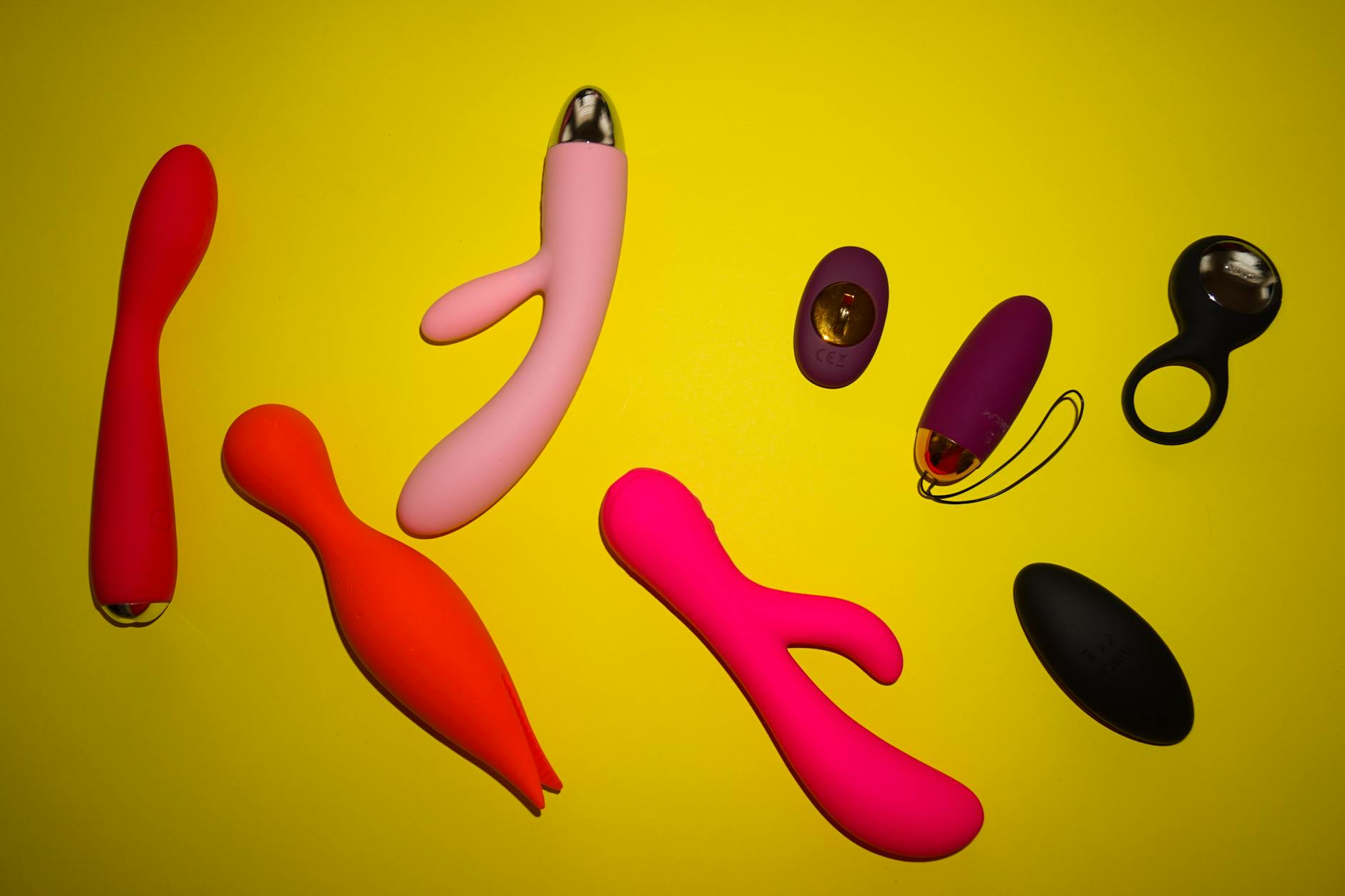
The cruel part: this learned response can bleed into solo play too. You might open up a clitoral vibrator like a Lemon vibrator and find that your body still can't relax enough to feel much of anything. The pressure isn't even there anymore, but the muscle memory is.
Here's what changes things: rebuilding arousal in a space where there is zero expectation, zero audience, and zero timeline. Not as foreplay to partnered sex. As its own complete, freestanding experience.
Start completely alone
I'm not talking about masturbation with an end goal in mind. I mean exploration without orgasm as the finish line. Many people with partner pressure find that the moment they turn on a vibrator, they're already thinking about whether they'll come, whether it's taking too long, whether their partner would be happy. That thought pattern is the actual barrier.
Set 20 minutes. No vibrator yet. Lie down somewhere comfortable, clothed, and just notice what happens when you don't have to do anything. Notice your breath. Notice where tension lives in your body. Notice what your mind does when it's told it can't have an outcome.
After two or three sessions of this, add the Lemon vibrator. Start on the lowest setting. Your job is not to have an orgasm. Your job is to notice sensation. What does suction feel like on the lowest pattern? How is it different from vibration? Does it change your breath? Does any part of you want to move?
Stay there for the full time, even if nothing happens. Especially if nothing happens. Your nervous system needs evidence that touch can exist without pressure.
The conversation you need to have (separately from sex)
This is the hard part. When you're not in the bedroom, when nothing sexual is happening, tell your partner the truth. Not "you make me feel pressured" (which sounds like an accusation). Say: "I've noticed that when I feel expected to want sex, my body closes down. That's not about you or how much I love you. That's my nervous system protecting itself. I need to rebuild trust with my own body first, outside of anything physical with you."
Then ask for exactly what you need: fewer initiations for 4-6 weeks. A clear agreement that sex is off the table unless you initiate. And honestly, a commitment that your partner won't mention sex, won't hint, won't create an atmosphere of waiting for it to happen.
This works only if both people actually agree. If your partner says they agree but continues hinting, continues waiting, continues the subtle pressure, you have a bigger conversation on your hands. That conversation belongs with a couples therapist, not in this article. But it's important to name: you can't rebuild desire alone if the environment keeps triggering the original wound.
How a clitoral vibrator becomes your reset tool
Once you've had the conversation and carved out protected time, a Lemon vibrator becomes something specific: evidence that your body still works, still wants, still can feel pleasure without performance.
Use it this way:
-
Do the no-vibrator warm-up first. Five to ten minutes of just lying there, breathing, noticing.
-
Start on pattern 1 or 2. The Lemon vibrator's suction is intense, so lower settings are often more helpful when you're learning to feel again. The suction mimics oral stimulation without the pressure of another person.
-
If you feel yourself thinking about outcome (will I come, am I taking too long, should I speed this up), pause. Breathe. Come back to just sensation. This might happen fifty times in one session. That's normal.
-
Stop when you want to, not when you think you should. You're teaching your body that it has permission to choose.
-
If orgasm happens, great. If it doesn't, that's also fine. Both are success. You felt something without pressure attached.
After 3-4 weeks of solo rebuilding, your nervous system starts believing that touch doesn't mean obligation. That shift is biochemical. You're building new neural pathways.
Bringing desire back to your partner
Once you've spent time alone and your body's started to trust pleasure again, the real work is integration. You initiate sex, but differently. You initiate when you actually want it, not when you feel you should. You might need to initiate using the Lemon vibrator with your partner present but not demanding. You might need to start fully clothed and work up.
The point is this: your partner doesn't get to wonder when sex is coming. You tell them. You ask for what you need. You set the pace. You take the pressure completely off them by making the choice clear and active. Many couples find that when the pressured partner takes control of initiation, the dynamic shifts immediately. There's no longer a hungry person waiting. There's just two people deciding together.
If your partner struggles with this, that's information. It means they're more invested in their sexual access than in your comfort. That's a values mismatch that matters.
When to get professional support
If you've done the solo work for six weeks and your body still doesn't respond, or if your partner won't agree to the pressure reset, consider a sex therapist or couples counselor. Performance pressure sometimes shows up as a symptom of deeper relationship issues like control, mismatched libidos, or unresolved resentment.
A good therapist can help you both understand what the pressure is actually about. Sometimes it's about reassurance. Sometimes it's about control. Sometimes it's about grief around the early-relationship phase of frequent, easy sex. None of those are bad things to understand and work through, but they need real tools.
A clitoral vibrator is a tool for rebuilding your own arousal. It's not a solution to a relationship communication problem. Both matter. Both take work.
People also ask
How long does it take to rebuild arousal after partner pressure kills desire?
Most people notice a shift within 3-4 weeks of consistent solo exploration without pressure. Full nervous system reset can take 8-12 weeks. This isn't a timeline you push. The moment you start tracking it like a goal, you've reintroduced pressure. Focus instead on what you notice changing: your breath stays deeper, you think less about outcomes, touch feels less triggering. That's the real measure.
Can I use a Lemon vibrator if I'm still having sex with my partner?
Yes, but with intention. Use it as solo exploration first, to build your own trust. Once that's solid, some couples find that a partner using a clitoral vibrator on them, or incorporating it into partnered sex, actually reduces pressure because the outcome feels less like it depends on penetration or traditional performance. The key is that the vibrator choice, timing, and rhythm stay with you, not your partner.
What if my partner gets jealous or upset about me using a vibrator alone?
That's worth addressing directly. A partner's discomfort with solo vibrator use often comes from insecurity about being "replaced" or a belief that your pleasure should belong primarily to them. Both are worth naming. You might say: "Using this alone is about rebuilding trust with my own body, not about you. It actually helps me want you more because I'm not carrying resentment." If they can't get there after a calm conversation, couples counseling can help them understand why solo pleasure isn't a threat.
How is a Lemon clitoral vibrator different when you're rebuilding arousal?
The suction motion on a lemon vibrator feels less invasive than vibration to many people, especially those managing arousal anxiety. It mimics the sensation of oral stimulation without requiring you to do anything active. That can make it easier to just lie there and receive, which is often what a pressured nervous system needs. The lower settings are particularly useful because they don't demand intensity while you're learning to feel again.
Is it normal for pleasure to feel complicated after partner pressure?
Completely normal. Your body isn't broken. It's been running a protective pattern. That pattern developed for good reason: to keep you from feeling trapped or controlled. Unlearning it takes time and space and repetition. Solo vibrator exploration provides all three. Your nervous system isn't stubborn. It's just slow to believe that the threat has actually passed.
What should I tell my partner about why I need this solo time?
Honesty without blame works best. Try: "I've realized that when sex feels like something you're waiting for or expecting, I shut down. That's not about how I feel about you. It's about my body protecting itself. I need a few weeks where I'm rebuilding what pleasure feels like when there's zero pressure. That will actually make me want you more." Most partners respond better to understanding the mechanism than to hearing they're the problem. Because they're not. The dynamic is.