
The conversation nobody wants to have
You want to use a lemon vibrator. Your partner is... uncomfortable. Maybe they think it's a threat to them. Maybe they believe your body "should" respond to their touch alone. Maybe they're embarrassed, or they genuinely don't understand why you'd need one when you're already together.
Here's the thing: that friction is real, and it's not actually about the toy.
Why partners resist clitoral vibrators (and what they're really saying)
When I work with couples around this, the resistance usually falls into one of three categories.
"I'm worried I'm not enough." This is the most common one. Your partner equates your need for a lemon vibrator with your need for them being insufficient. They hear "I need external stimulation" as "You're failing me." This is a confidence issue dressed up as a toy issue. It's about their fear of sexual inadequacy, not actually about whether a clitoral vibrator works.
"This feels wrong or excessive." Some partners grew up in environments where masturbation was shameful, where pleasure was something that "just happened" rather than something you actively pursued. A toy makes pleasure visible and intentional. That visibility can feel transgressive to them, even in a long-term relationship.
"I don't understand why you need it if we have sex." This one comes from a basic misunderstanding of how bodies work. They assume that if you're having sex together, your pleasure should be automatic. They don't realize that clitoral stimulation often needs to happen separately from penetration, or that your body might respond differently to suction than to other kinds of touch. It's not resistance so much as confusion.
None of these are actually about the lemon vibrator itself.
Reframe the conversation before you talk about the toy
The biggest mistake people make is starting with the toy. They say something like, "I want to try a vibrator," and their partner hears it as a referendum on their sexuality or their relationship.
Instead, start with something true: "I want better orgasms. I want to understand my own body better. I want to enjoy sex with you more." Those statements are all true, and they center pleasure, not inadequacy.
Then add: "Research shows that most people with clits need clitoral stimulation to orgasm. I'm one of them. This isn't about you or what we have together. It's about knowing what my body actually needs."
You're not defending the toy. You're defending your right to know yourself.
If they say something like "Your body responded fine before," you can be gentle but clear: "I didn't know what I was missing. I know now." That's not harsh. It's honest.
Introduce it as part of your sex life together, not separate from it
The single biggest shift I see couples make is moving from "I want to use this alone" to "I want us to use this together." This doesn't mean your partner has to operate it. It means they're present, they're participating, they're watching pleasure happen to you because of your communication and their engagement.
That's actually radically intimate. More intimate than a lot of people realize.
You might say something like: "I want to use this while we're together. I want you to watch. I want you to feel what this does to me. I want you to touch me while I'm using it. Can we try that?"
That's not asking permission. It's inviting them into something that's about you, with transparency and care.
How to actually use it when your partner is skeptical
First time, you're not trying to prove anything. You're just exploring while they're present.
Start with clothes on if that feels safer. Use the lemon vibrator over underwear. Let them see how your body responds. Most people, when they actually watch someone's face and hear their breathing change, stop intellectualizing it. They see pleasure. That's disarming in a good way.
Use a lower intensity setting first. You want the experience to feel natural, not extreme. Start at pattern one or two on the lem vibrator and let yourself respond authentically. Don't perform. Just experience.
If your partner wants to touch you while you're using it, that's beautiful. If they want to just watch, that's fine too. The point is that they're there, they're engaged, and they're seeing that this isn't replacing them. It's expanding what's possible.
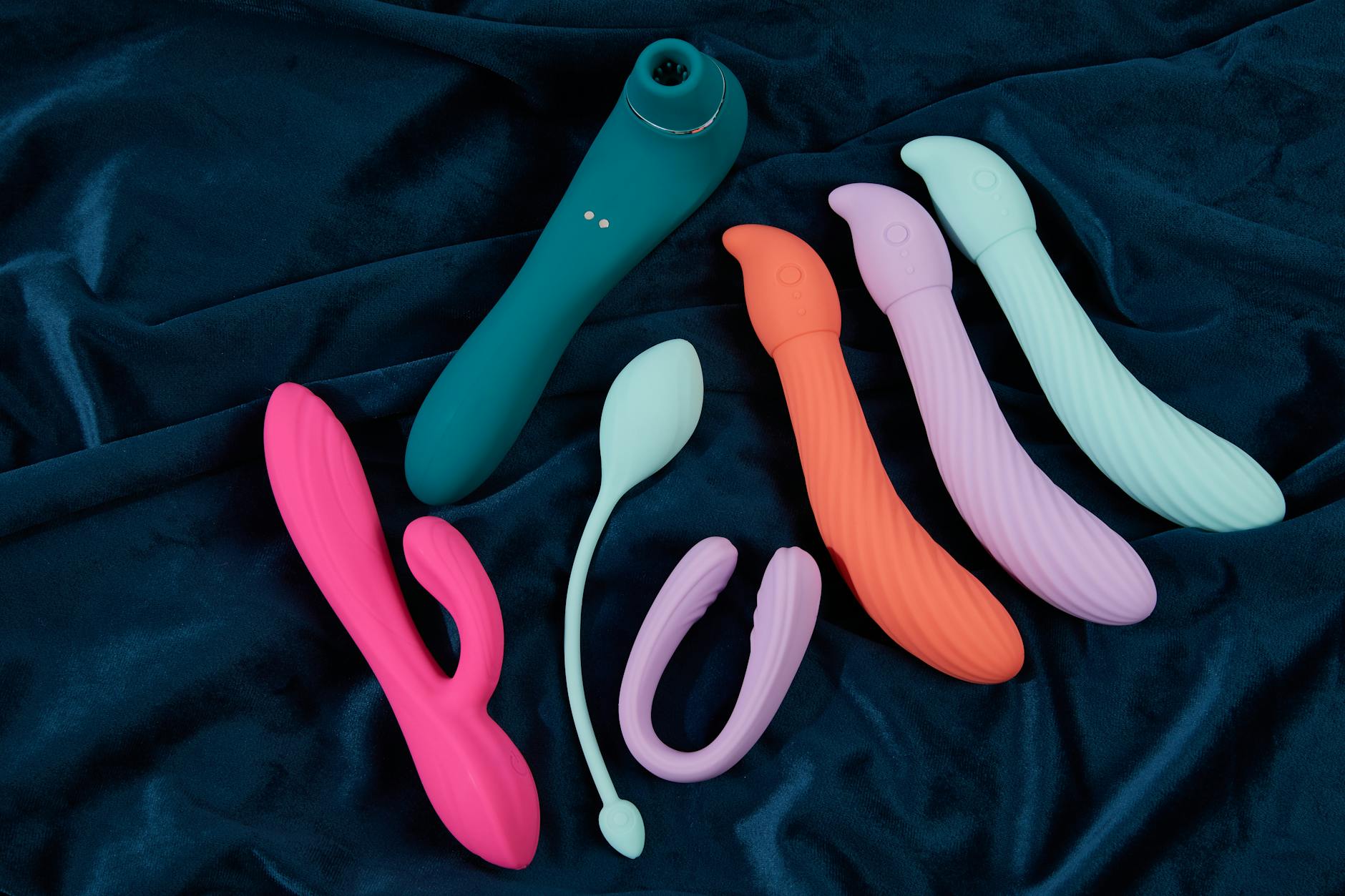
Photo by IFONNX Toys on Pexels
Address the shame they might carry
Sometimes a partner's resistance has nothing to do with you and everything to do with their own history. If they grew up in a household where sex was taboo, or where pleasure was sinful, or where bodies were shameful, they're bringing that wound into your relationship.
You can't fix that for them. But you can name it gently: "I notice you seem uncomfortable with this, and I'm wondering if it's less about me and more about stuff you learned growing up. That makes sense to me. And I also need you to know that pleasure is good, and that I'm allowed to have it."
That's not accusatory. It's clear and compassionate.
If they're willing, pointing them toward resources that normalize sexual pleasure outside shame can help. Sometimes a partner needs permission from an external source (a therapist, a book, an educator) before they can give it to themselves.
What to do if they refuse
If after honest conversation, your partner remains unwilling to engage with your pleasure, that's information. That's a boundary issue that goes way beyond a lemon vibrator.
You might say: "I respect your feelings. And I also need to be able to explore my own pleasure. That's not negotiable for me. So I'm going to use this. I'd prefer we do this together, but I need you to understand that this is happening either way."
Sometimes partners soften once they realize it's actually happening. The resistance was partly about control, and once that's off the table, they relax.
Sometimes they don't, and then you have a bigger conversation about what kind of relationship you're in and whether it's meeting your needs.
That's not dramatic. That's just real.
The long game: rebuilding intimacy
Once your partner sees that using a clitoral vibrator makes you come harder, more often, and with more pleasure, something usually shifts. Pleasure is contagious. Seeing someone you care about experience intense sensation is genuinely sexy to most people, once they get past the initial defensiveness.
You might find that using the lemon vibrator together becomes something you both look forward to. That your partner gets curious about your body in ways they weren't before. That sex becomes less about performance and more about presence.
That's the real gift here. Not just better orgasms for you, though that matters. But a relationship where you can talk about what you need without shame, where your pleasure is something you're building together, where your partner gets to see you fully expressed.
That takes communication, patience, and a willingness to name the real thing underneath the toy conversation, which is this: you deserve to feel good, and your partner deserves to know that having a lemon vibrator isn't a reflection on them. It's a reflection on you knowing yourself.
People also ask
Will using a vibrator make me less sensitive to my partner's touch?
No. In fact, the opposite tends to happen. Once you understand what kind of stimulation actually works for your body, you often become more responsive overall. You know what to ask for. You're less in your head about whether you "should" be feeling something. Your partner benefits from that knowledge because you can guide them more effectively.
How do I explain that this isn't cheating or a betrayal?
It's not cheating because it's happening within the context of your relationship, with consent and honesty. Cheating involves deception. This is the opposite. You're being completely transparent. You might say: "Using a lemon vibrator with you is the most intimate thing we could do, because it's about knowing myself and trusting you with that knowledge." That's true, and it reframes the tool from threat to bridge.
What if my partner wants to use it on me but I'd rather use it myself?
Boundary time. You can say: "I love that you want to be involved. Right now, I need to learn what this feels like on my own. Once I understand my body better, we can explore using it together in different ways." You're not rejecting them. You're being responsible with your own pleasure.
Can a lemon vibrator actually help us reconnect if we've drifted sexually?
It can be a catalyst. But the real reconnection happens through the conversation around it, not the toy itself. The toy just makes the conversation possible. You're saying "I want to feel alive in my body again, and I want you to be part of that." That matters. Whether it's a clitoral vibrator or something else, the willingness to move toward pleasure together is what rebuilds intimacy.
How long should I expect my partner to warm up to this?
It varies wildly. Some partners come around after one conversation. Some take weeks. Some never fully embrace it, but they accept it and move on. The key is not to make warming up to your pleasure a condition of having it. You can be patient with their process while also being firm that this is happening.
Should I introduce the idea of a lemon vibrator during sex or outside of it?
Outside. Definitely outside. When you're not aroused, when you're not vulnerable, when you have time to think and respond. You might say something like: "I've been thinking about trying a clitoral vibrator. I know that might feel unexpected. Can we talk about it?" You're not springing it on them in the moment. You're giving them space to process.
The real conversation underneath
This isn't actually about a lemon vibrator. It's about whether you're allowed to know your own body, claim your own pleasure, and ask for what you need without shame or apology.
Your partner's discomfort is real. Their fear is real. And your right to pleasure is also real, and it doesn't depend on their comfort with it.
You can hold both of those things at once. You can be compassionate about their resistance and clear about your boundary. You can invite them into your pleasure without making that invitation conditional.
That's the intimacy that actually matters. Not the toy. The trust underneath it.