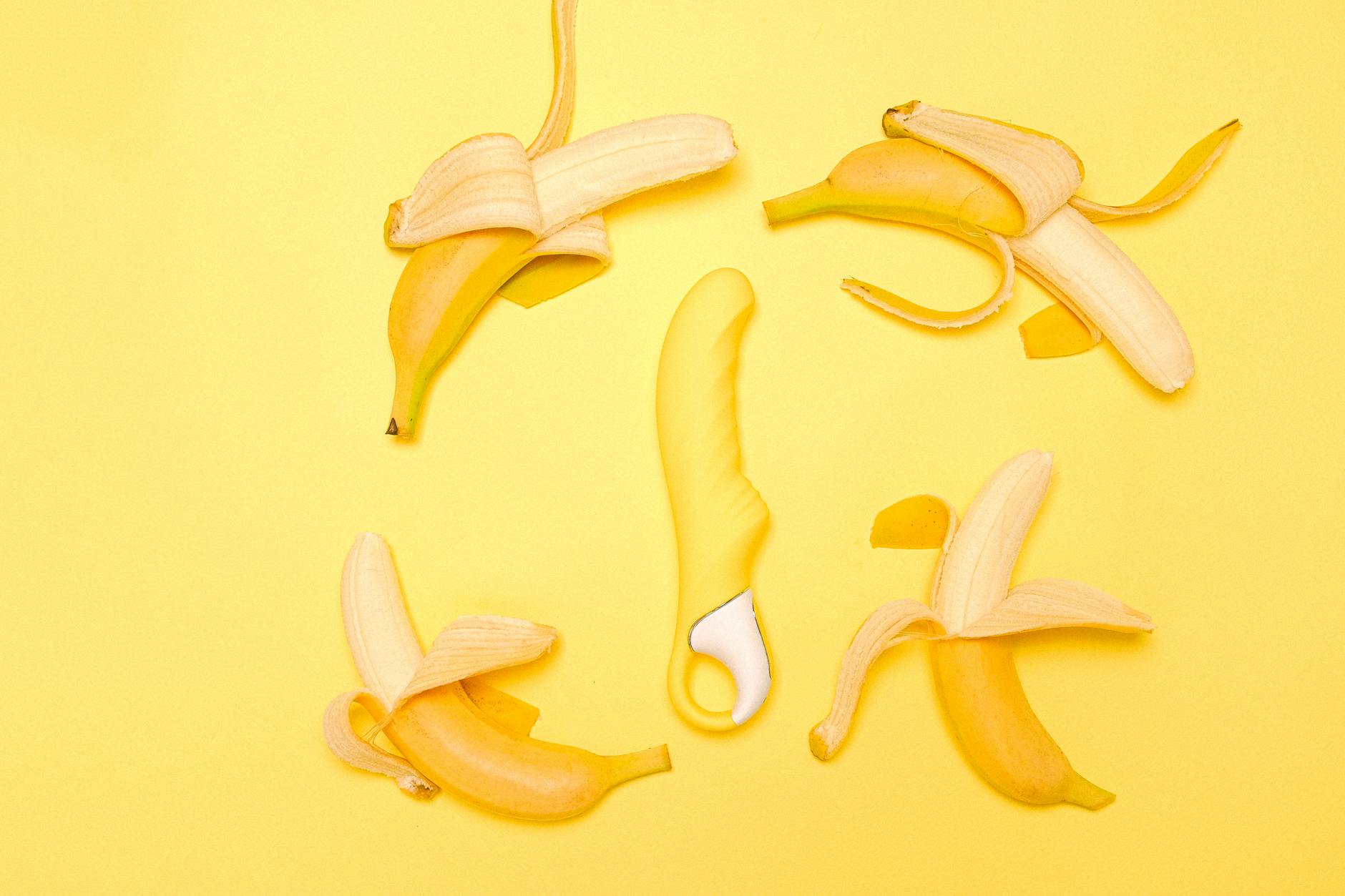
Let's be real about midlife pleasure
Your pleasure is not ending. It's shifting. And that distinction is everything, because most of what you hear about midlife sexuality falls into two terrible buckets: "everything stops working" or "nothing changes, relax." Both miss the point entirely.
Here's what actually happens when you move through your 40s and 50s. Your body is responding differently to stimulation. Your arousal may take longer to build. Your tissues might feel different. But here's the part nobody talks about clearly: the capacity for pleasure, the neural pathways, the potential for intensity, the absolute ability to have profound orgasms? Those are still there. Completely intact.
Many of my clients in this phase report that their most satisfying sexual experiences have happened after midlife. This isn't a comforting lie. It's a consistent clinical observation, and I've seen it happen over and over.
What actually changes at midlife
Let's separate myth from biology. Estrogen shifts as you approach or move through the perimenopausal years. This changes tissue thickness and how quickly lubrication happens. Testosterone—which drives desire in all bodies, not just men—also declines. That's the physiological part.
What this means in practice: arousal may feel less automatic. You might need 20 minutes of foreplay instead of 5. Direct friction might feel different than it used to. Your clitoral tissue might need gentler, more varied stimulation to build toward orgasm.
But here's what does not change at all. The clitoral nerve density stays exactly the same. The brain's capacity to experience pleasure? Unchanged. Your ability to have multiple orgasms, to have intense ones, to feel full-body sensation? Still there.
Why a lemon vibrator actually helps here
A lemon clitoral vibrator works differently than a standard vibrator. Instead of direct vibration, it uses gentle suction and pulsing patterns that stimulate without the same mechanical pressure. For midlife bodies experiencing tissue changes, this matters wildly.
Here's why: suction-based stimulation doesn't require the same kind of direct friction that can sometimes feel too intense or uncomfortable on tissues that have thinned with hormonal shifts. The suction pattern activates nerves more efficiently, which means you get sensation with less pressure. That's a game-changer when your response time has lengthened or your tolerance for direct vibration has shifted.
This isn't a downgrade. It's actually often more effective. Many people report stronger, longer-lasting orgasms with suction-based toys than they ever had with traditional vibrators.
The adjustment that makes the biggest difference
Here's what I tell almost every client in this phase: you need to completely reframe what you're doing. This isn't about fixing yourself. It's about matching your approach to what your body is actually doing right now.
That means budgeting more time for arousal. Not because something is wrong with you. Because your parasympathetic nervous system is taking longer to activate. Set aside 20-30 minutes instead of 10. That alone transforms the experience.
Start your lemon vibrator at the lowest intensity setting. Pattern 1 or 2. Let your body warm up to the sensation. You can always turn it up. You can't undo overstimulation in the moment. Many people find that they reach their strongest orgasms at mid-range settings, not the highest.
Use water-based lubricant. Always. Not because you're broken, but because it reduces friction and increases sensation. Your tissue will thank you, and the experience will feel richer.
The mental piece that matters more than mechanics
Midlife often arrives with a whole suitcase of other transitions. Your kids might be launching. Your relationship might be shifting. Your career might be changing. Grief shows up. Stress sits differently in your body now.
The temptation is to blame every shift in pleasure on hormones. Sometimes that's accurate. Often, though, it's that accumulated midlife weight wearing a hormonal disguise. If you're navigating this transition with a partner, the most valuable conversation you can have is simple: "My body is responding differently, and I want to stay connected." That's a completely different conversation than trying to figure out what's wrong.
Midlife is not the end of your sexual story. It's a new chapter, and in many ways, the most interesting one.
Building pleasure when it takes longer
Your nervous system is asking for something different now. It's asking for consistency, for patience, for varied sensation. This is actually an advantage.
Try spending 10 minutes with your lemon vibrator on the lowest setting, just warming up the area. This isn't about reaching orgasm. It's about letting your nervous system activate slowly. Then move to a medium setting for another 5-10 minutes. Notice what patterns feel good. Notice where your breath changes. Your body will tell you what it needs if you give it time.
Many people find that orgasms at midlife feel different. Sometimes more diffuse, sometimes more concentrated, sometimes longer, sometimes in different places. This isn't worse. It's just different. And different can be extraordinary.
If you're with a partner, involving them in this exploration makes it easier. Show them what feels good. Let them see you using your lemon vibrator solo first, if that feels comfortable. Most partners find it genuinely hot to watch, and it removes the pressure from the sexual encounter itself.
When to talk to a doctor
If sex becomes painful, don't wait. Genitourinary syndrome affects a lot of people in this phase, and it's extremely treatable. Topical estrogen creams work quickly and have minimal systemic absorption. A good healthcare provider trained in midlife sexuality can transform things in weeks.
If your desire has completely disappeared, that's worth investigating too. Sometimes it's hormonal. Sometimes it's relationship friction you haven't addressed. Sometimes it's depression or anxiety. A good provider can help you sort it.
The key is: you don't have to accept painful sex or complete loss of desire. Both are solvable.
The biggest mistake people make
They assume that because things feel different, they're supposed to feel bad. That if arousal takes longer, something is broken. That if their response has shifted, they're past their prime.
All of that is wrong. Midlife bodies are not broken bodies. They're different bodies. And different often means you get to explore things you never had time for before. You get to be slower. You get to be more intentional. You get to discover what actually feels good to you, not what you thought you were supposed to enjoy.
Your lemon vibrator is a tool for that discovery. Use it to explore what works now, not to recreate what worked 10 years ago. The pleasure you're capable of hasn't gone anywhere. It's just asking for a slightly different approach.
Questions people ask about midlife pleasure and lemon vibrators
Is it normal for orgasms to feel different at midlife?
Completely normal. As tissue thickness changes and hormones shift, the sensation can feel more subtle, more diffuse, or even more intense in different areas. Some people report that their most powerful orgasms happen after midlife. The shape changes. The quality doesn't have to diminish.
Can I still have multiple orgasms in my 40s and 50s?
Yes. Absolutely. In fact, many people find that multiple orgasms become easier as they relax into midlife sexuality and stop performing for an imagined audience. Your refractory period might be slightly longer between orgasms, but the capacity is completely there. A lemon vibrator can help you explore this because you can control the intensity and timing precisely.
How long should arousal take at midlife?
There's no "should." But most people find that 15-25 minutes of foreplay or self-stimulation before they're ready for penetration is more realistic at this phase than the 5-minute version they might have had at 25. That's not a loss. That's an invitation to slow down and be more present.
Will using a vibrator make me dependent on it?
No. What actually happens is that vibrators teach your nervous system what feels good, and then that knowledge transfers to partner sex, solo sex, everything. You're not becoming dependent. You're learning your own pleasure more clearly. That makes you more responsive overall, not less.
Should I tell my partner I'm using a lemon vibrator?
That depends entirely on your relationship. If you have a partner and you're having sex together, transparency usually helps. If you want to keep solo exploration private, that's valid too. But if pleasure has shifted and your partner doesn't understand why, a conversation about what your body is experiencing can actually bring you closer.
What if my partner feels threatened by a vibrator?
This one comes up a lot. A vibrator isn't competition. It's a tool that helps you experience more pleasure, which usually makes you more available, more interested, and more present during partner sex. Framing it that way—"This helps me feel more, which means more of me is available to you"—can help. And if your partner still resists, that might be worth exploring with a couples therapist.
The actual bottom line
Midlife pleasure is different. It's not worse. It's slower, sometimes more varied, often more satisfying because you're less in your head and more in your body. Your lemon vibrator is a permission slip to explore that without apology. Use it to discover what actually feels good now, not to recreate what worked before. Your pleasure matters. Your body matters. And the best part? You're just getting started.
If you're ready to explore how this works for you, a great first step is getting comfortable with the basics. You can reach out to our team with any questions about what approach might work best for your specific situation.