The honest part nobody talks about
There's a weird liminal space when you come back to sex after a long pause. Your body doesn't feel like a stranger exactly. It feels like a house you used to know, with furniture rearranged and the locks changed. You remember where things go. You just don't remember how to fit into the space anymore.
That gap between "I used to want this" and "Do I still want this?" is real. It's not dysfunction. It's not a sign you've broken something. It's just been a while, and your nervous system needs a minute to remember what pleasure feels like.
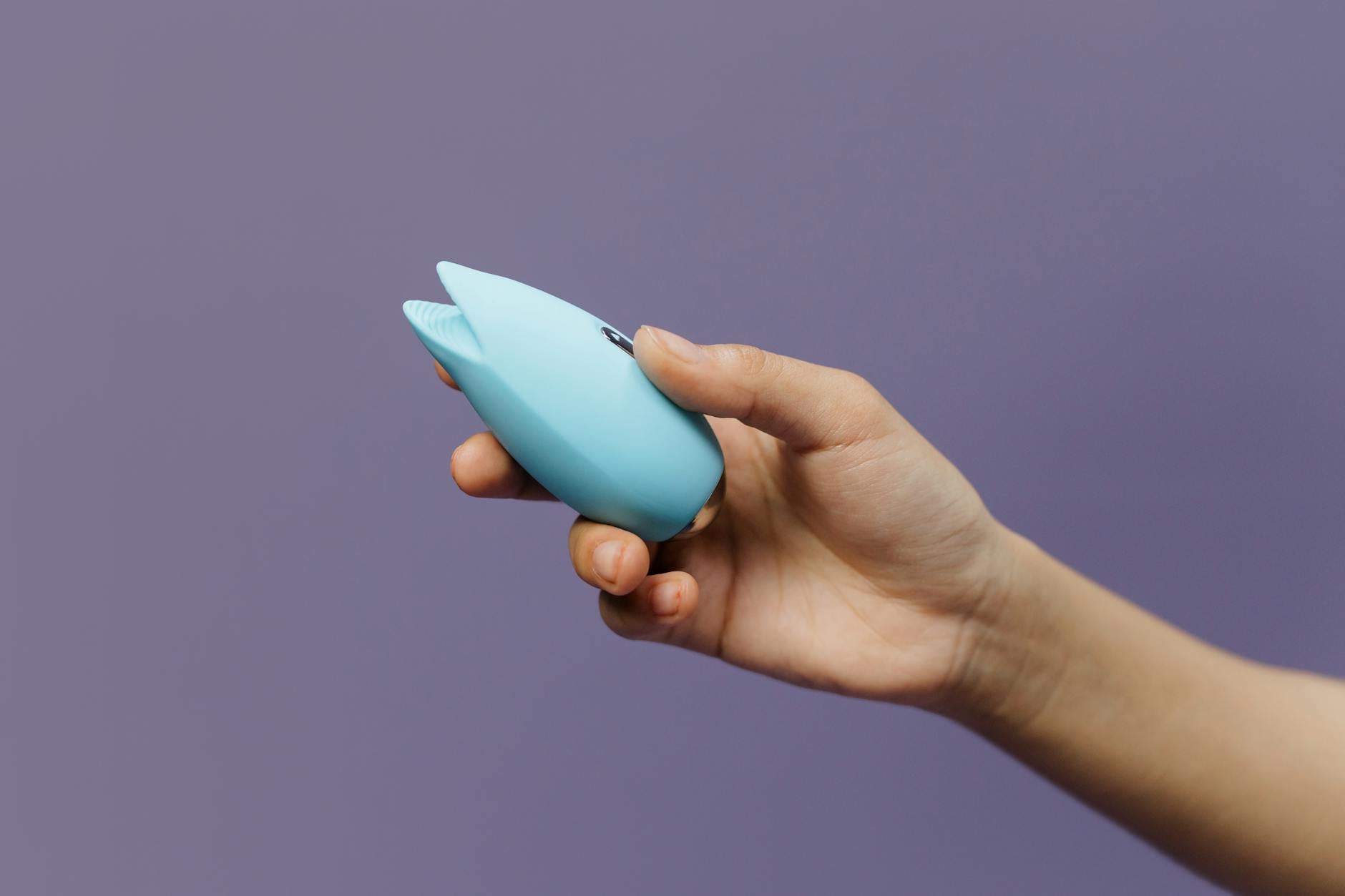
I've worked with hundreds of people navigating this exact transition. Whether it's been six months of depression, two years of caregiving, a breakup that killed your libido for longer than you expected, or just life getting in the way. What I've noticed is that coming back alone, with a tool designed specifically for clitoral stimulation, changes everything. A lemon vibrator becomes less about performance and more about reacquaintance.
Why sensation might feel muted at first
When you step away from sex for a while, a few things happen neurologically. Your brain stops sending the same arousal signals. The blood vessels in your genital tissue adapt to a lower baseline of activation. Your pelvic floor might have tightened without you noticing. None of this is permanent. It's just your body being efficient.
The catch is that efficiency can feel like numbness. You might touch yourself and feel... very little. Or you might feel something, but it's distant, like watching someone else's hand move. This is wildly common and usually resolves within weeks of consistent gentle practice. Consistent doesn't mean daily. It means regular.
Here's what helps: clitoral vibrators, especially ones designed around suction rather than vibration alone, wake up the nervous system faster than hands alone. The stimulation is consistent, predictable, and intense enough to register through the fog without being jarring.
Start stupidly small
When you're rebuilding, the worst thing you can do is replicate what used to work. You don't know what used to work anymore. Your preferences might have shifted. Your body's sensitivities have definitely shifted. So throw out the script.
If you pick up a lemon clitoral vibrator, start with it off for the first few times. Just hold it. Let your hand get used to the weight and shape. The next session, turn it to the lowest setting and touch the side of your vulva, not directly on the clitoris. We're not trying to have an orgasm yet. We're trying to remember that sensation exists.
There's no timeline here. You might spend three sessions just exploring the outer areas. You might jump to direct stimulation in the second try. Your body will tell you what it needs if you stop listening for what it's "supposed" to do.
Separate sensation from outcome
This is the part that actually matters. When you've been away from sex, there's almost always a goal lurking in the background. "If I start this, I need to finish it." "If I use a toy, I should come." "If I'm touching myself, it has to mean something."
Throw all of that out. A lemon vibrator session when you're rebuilding isn't about arriving at an orgasm. It's about noticing what your body actually feels, not what it should feel.
Some people find that when they remove the outcome goal, pleasure gets easier almost immediately. Others find that the first 3-4 sessions feel basically nothing, and then week two something shifts. Your timeline is yours. The only thing that matters is consistency and removing the pressure.
If you want to try this with a partner eventually, the best foundation is solo sessions first. That way, when you do reintroduce partnered sex, you already know what actually feels good now. You're not discovering that in real time with someone else watching.
The role of lubrication in rebuilding
When you've been away from sex, your body might not be producing natural lubrication as readily. This isn't a sign of low desire. It's just a practical thing that happens when your genital tissue hasn't been activated regularly. This is where a water-based lubricant becomes your partner.
Apply it generously. Not just enough to feel slick, but enough that you're aware you're using it. Lube is information. It tells your brain that something is happening. It also removes any friction that might feel uncomfortable when you're rebuilding sensation.
If you're using a clitoral suction toy like the Lem, lube is less essential than it would be with a vibrator, but it still helps. It softens the sensation slightly and makes the experience feel more gentle overall. There's no such thing as "too much" here.
How this changes if you're with a partner
If you're coming back to sex after a pause and you have a partner, the work gets more subtle. You're not just rebuilding your own sensation. You're also navigating their expectations, their patience, their possible anxiety about what your absence meant.
Here's what I recommend: have the conversation first, when you're both clothed and not in a sexual moment. Say something like, "I want to restart this part of us, and I'm going to need us to go slower than we used to. I'm rebuilding sensation and confidence, and that takes time." A good partner will ask what that looks like. A great partner will get curious about what you actually want now, not what you wanted before.
Using a lemon vibrator with a partner can feel vulnerable if you haven't done it before. The solution isn't to hide it. It's to frame it clearly: "I'm learning what feels good in my body again. This helps me do that." You're not saying "You weren't doing it right." You're saying "I'm taking responsibility for my own pleasure as part of rebuilding this." This is actually one of the most intimate things a couple can do together.
What "success" looks like (and why it doesn't look like you think)
When you're rebuilding, there's usually a narrative in your head about what success means. An orgasm. Multiple sensations. That "floaty" feeling you remember. A return to how things used to be.
I'm going to tell you something that might help: you don't actually want that. You want to feel good right now, in your current body, with your current nervous system. That's going to look different. Often it's better. Sometimes it's just different and that's fine too.
Success in rebuilding is usually much smaller than you think. It's the moment when you use a clitoral vibrator and actually feel present in your body instead of observing it from above. It's noticing a specific type of sensation you hadn't felt in years. It's the first time you touch yourself and feel a spark of genuine wanting, not obligation or curiosity.
These are real wins. They might not look like much from the outside. They're everything.
Common snags and what they actually mean
There's a good chance something will feel off during this process. You might find that direct clitoral stimulation still feels too intense, even at low levels. You might feel a weird numbness that doesn't change session to session. You might get frustrated and want to quit before your body has had enough time to wake up.
Most of these resolve on their own with patience. The too-intense sensation usually means you need to approach from the side of the clitoris or use more lube to diffuse the intensity. The numbness almost always means you haven't given it enough time. Your nervous system is still in "offline" mode. Four sessions isn't enough. Eight sessions usually is.
The frustration, though. That's real. Here's the thing about rebuilding: it asks you to move slowly when everything in our culture tells you to move fast. That friction is normal. Naming it helps. Say it out loud: "This is frustrating and I'm doing it anyway." That's not pushing through. That's actually honoring both the frustration and your commitment to coming back to your own pleasure.
When to loop in a professional
If you've been consistent for 6-8 weeks and nothing feels different at all, check in with a therapist or sex educator who specializes in this. There might be something deeper happening. Past trauma that's still blocking sensation. Medication side effects you didn't connect to this. A pelvic floor issue that needs specific attention.
This isn't a failure. This is just data. A professional can help you sort what's actually happening in your body versus what's happening in your mind. That distinction changes everything.
The actual timeline
Most people I work with report noticeable shifts in sensation and sensation by week 2 or 3 of consistent solo exploration with a clitoral vibrator. Genuine pleasure and the beginning of desire usually shows up around week 4-6. Confidence that you're "back" usually takes 8-12 weeks.
These numbers are averages. Your timeline might be faster. It might be slower. The only timeline that matters is the one where you actually come back to wanting your own pleasure. That's the point.
FAQ
Is it normal to feel nothing the first time you use a clitoral vibrator after a long break?
Completely normal. Your nervous system has been in rest mode. Sensation is a practice, not a switch you flip back on. Most people feel something by session two or three. If you're not feeling anything after four or five sessions, add more lube, try different patterns on the toy, and give it one more week of consistency before worrying.
Can you orgasm while rebuilding pleasure, or is that putting too much pressure on yourself?
Some people come easily the first time back. Some take weeks. Both are fine. The trick is noticing which one you are without judgment. If you're the type who needs to come for it to feel "real," that's valuable information. You might need to adjust your approach. If you're the type who can build pleasure without the endpoint, lean into that. There's no right way.
Does using a lemon clitoral vibrator while rebuilding mean something's wrong with my body?
No. It means you're using a tool designed specifically for clitoral pleasure to help your nervous system remember what it's capable of. That's smart, not broken. Plenty of people use clitoral vibrators when they have no history of sexual pause. The fact that you're rebuilding doesn't make this different. It makes it a practical choice.
What if your partner wants to have penetrative sex before you feel ready to reintroduce that?
Then you say no. This is the hard conversation that actually matters. You're not ready yet. You need more time building solo sensation first. A partner who respects that is someone worth rebuilding with. A partner who pushes is showing you information about how they handle your needs. Pay attention to that.
How do you know when you're actually ready to bring a partner back into the sexual part of the relationship?
When touching yourself with a lemon vibrator or your hands consistently feels good, and you've had 2-3 sessions where you actually wanted to do it rather than feeling obligated. When you can imagine partnered sex without anxiety or numbness. When you're curious rather than scared. That's readiness.
Can you use a clitoral suction toy like the Lem if you're rebuilding after a really long pause?
Absolutely. In fact, suction toys are gentler to reintroduce sensation with because they don't rely on friction. The Lem's pattern range makes it easy to start low and build up. Just remember: start with it off. Start on the outer areas. Let your body surprise you with what it wants. The toy is a tool. Your nervous system does the actual rebuilding.