The antidepressant pleasure paradox
Here's the part nobody tells you clearly: medication that pulls you out of depression can also pull you away from sensation. You're not broken. Your brain chemistry shifted, and that's exactly what was supposed to happen. The problem is that sensation works on the same neurochemical highways as mood, so sometimes you can't have one without losing a bit of the other.
About 40-60% of people on SSRIs (selective serotonin reuptake inhibitors) report changes in arousal, sensation, or orgasm. That's not a small thing. And it's not something to feel guilty about.
The good news: numbness from antidepressants responds differently to physical stimulation than numbness from hormonal changes or nerve damage. Understanding the difference is the difference between giving up and reconnecting.
Why antidepressants specifically flatten sensation
SSRIs like sertraline, paroxetine, and fluoxetine work by keeping serotonin available in your brain longer. This lifts mood. But serotonin also dampens dopamine signaling in parts of your brain that handle reward and sensation. It's not that you can't feel pleasure. It's that the signal to register pleasure takes longer and sometimes quieter.
There's also a practical piece: when you're depressed, arousal itself feels pointless. When you start medication and that fog lifts, you can't just flip a switch back on. The neural pathways for desire have been quiet. They need time to wake up.
Here's what doesn't change: the physical architecture of your clitoris, your nerve endings, and your capacity for orgasm. All still there. The route just got quieter.
Why clitoral vibrators work when sensation is dampened
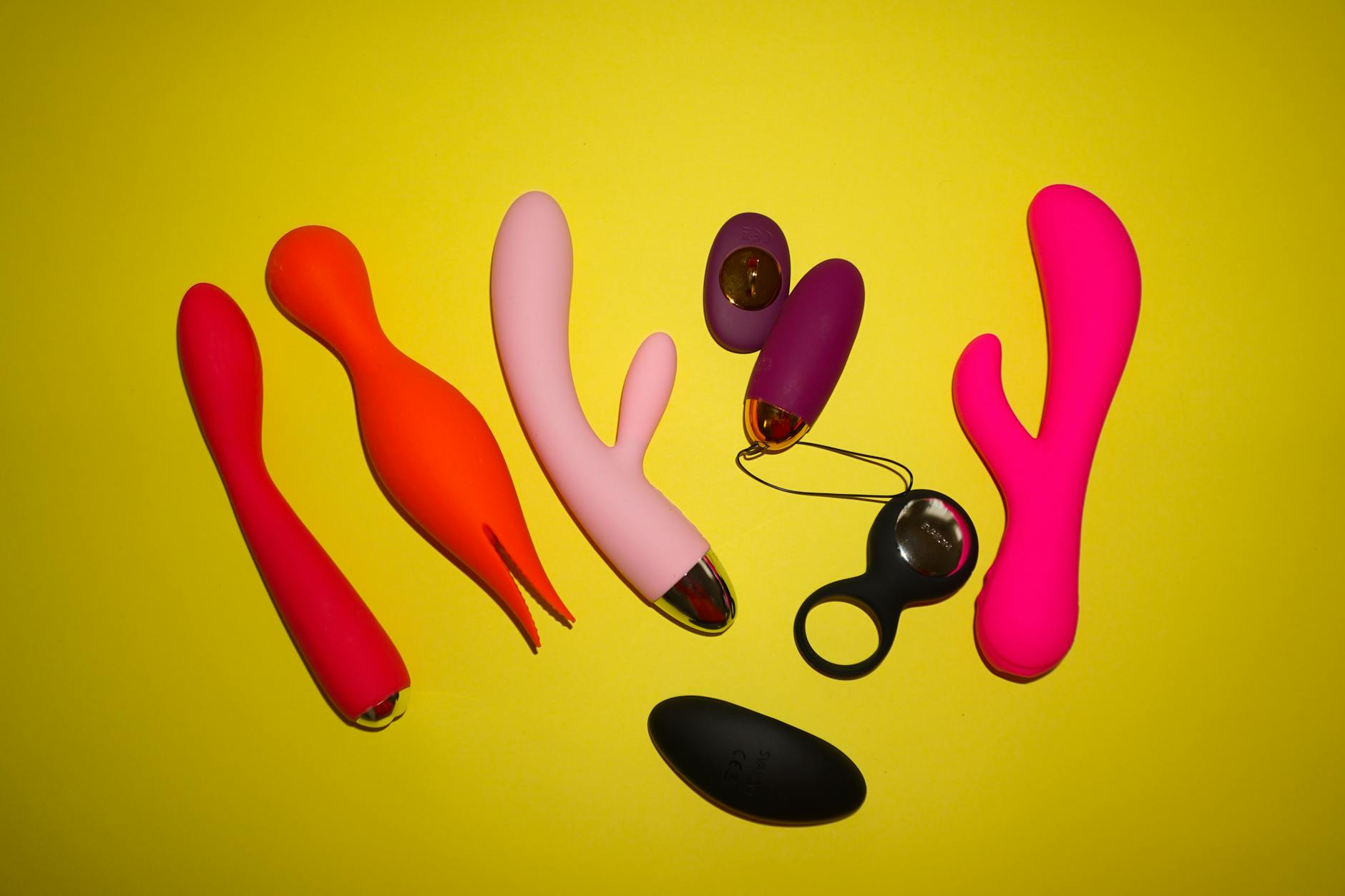
This is where the Lem and tools like it become genuinely useful. A lemon clitoral vibrator uses air-pulse stimulation instead of traditional vibration. That matters.
Traditional vibrators create a broad, continuous buzz. Your brain has to detect that buzz beneath the numbness. Air-pulse stimulators (sometimes called lemon suckers because of their shape) create a rhythmic suction pattern. That rhythm cuts through sensory dampening more effectively than a flat vibration.
Think of it this way: if someone taps your arm once, you might not notice. If they tap a pattern, you notice. The pattern registers even when the sensation is muted.
A study in the Journal of Sexual Medicine found that people on SSRIs reported significantly higher orgasm rates with air-pulse toys than with traditional vibrators. The reason is partly physical (suction creates a different nerve response) and partly cognitive (the pattern gives your brain something distinct to lock onto).
Starting over: building sensation back
When you've been numb for months or years, reawakening sensation isn't about trying harder. It's about starting smaller and slower than you think you need to.
Here's the protocol I recommend to most people on antidepressants rebuilding arousal:
Week one: exploration without expectation. Take the Lem on the lowest setting. Spend 15 minutes noticing what you notice. Not trying to come. Not performing. Just noticing temperature, pressure, the shape of the suction against different parts of the clitoris. Many people are shocked that they can feel texture they'd forgotten existed.
Week two: rhythm and breathing. Add intentional breathing. Deep inhales through the nose, slow exhales. Breathing oxygenates the clitoris and also signals to your parasympathetic nervous system that you're safe and present. Combine this with pattern 2 or 3 on the Lem. Stay for 20 minutes.
Week three: pairing with fantasy or sensation memory. Bring something cognitive into the room. A fantasy, a memory of what pleasure felt like before, a story you find arousing. Your brain needs the input when sensation is dampened. This is not cheating. This is how desire works.
Week four and beyond: patience with variability. Some days will feel different than others. That's normal. Antidepressants can fluctuate slightly with your cycle, stress, and sleep. On low-sensation days, a lemon clitoral vibrator at settings 1-3 is more forgiving than a traditional vibrator. It meets you where you are instead of demanding you meet it.
Talking to your doctor without the shame spiral
If the numbness is severe or hasn't improved after 6-8 weeks of rebuilding, don't white-knuckle through it. Your psychiatrist or GP has options.
Some people benefit from timing: taking their SSRI at night instead of morning, or adjusting the dose slightly. Others add bupropion (Wellbutrin), which actually increases dopamine and can restore sensation. Some switch medications entirely. There's no medal for suffering through sexual side effects.
When you talk to your doctor, be specific. "My medication makes me feel better mentally" is good. "I notice I can't reach orgasm anymore and it's affecting my relationship" is better because it gives them context. They've heard this a thousand times. They won't judge.
The conversation with your partner
If you share a bed with someone, here's what helps: separate the two things. Your partner didn't cause the numbness. Your medication did. But your partner also isn't responsible for fixing it. This is your nervous system's adjustment, and you're the expert on what helps.
What I tell people to say: "My body is processing sensation differently right now because of my medication. I'm working with my doctor and also exploring what feels good. I'd love for you to be patient with me while I figure this out. If you want to be involved, here's what actually helps me." Then tell them. Longer warm-up. Toys. Different timing. Whatever's true.
Many partners are relieved to have a framework instead of just feeling like they're failing in bed.
Small shifts that matter more than you'd think
Four things beyond the vibrator itself:
One: hydration. Drink water before and after. Arousal requires blood flow, and your body prioritizes blood to essential organs when you're dehydrated. Sounds silly. Works.
Two: stimulant timing. If you drink caffeine, have it 60 minutes before solo time. Stimulants increase arousal baseline and can push sensation above the dampening threshold. If you have access to it and your doctor approves, some people microdose before pleasure time. Consult your psychiatrist on this one.
Three: temperature play. Try using the Lem after holding an ice cube or warming your hands under warm water. Temperature contrast wakes up nerve endings and can pierce through numbness.
Four: sound and environment. Put on music or a podcast you find hot. Take yourself somewhere that feels safe and separate from regular life. Your brain needs environmental novelty when sensation is muted.
FAQ: Antidepressants and pleasure
Why do some antidepressants cause numbness more than others?
SSRIs vary in how strongly they block dopamine. Paroxetine and sertraline are stronger dopamine dampeners than escitalopram or citalopram. If one medication is flattening you badly, a switch might help. Bupropion (Wellbutrin) actually increases dopamine, so some people add it to their SSRI or use it alone. Talk to your psychiatrist about the specific profile of your medication.
How long does it take to feel sensation again?
That depends. Some people notice shifts within 3-4 weeks of intentional rebuilding. Others take 2-3 months. It's not linear. You might have a great week, then a quiet week. The pattern matters more than any single session. Consistency beats intensity here.
Can I stop taking my medication to get sensation back?
No. Just no. Your mental health is not negotiable. The goal is to keep taking the medication that's keeping you alive while rebuilding pleasure alongside it. If you're thinking about stopping, that's a conversation for your psychiatrist, not a solo decision.
Does a lemon clitoral vibrator really work better than other toys when you're numb?
Yes, for most people. The rhythm of air-pulse stimulation cuts through sensory dampening more effectively than flat vibration. But individual nervous systems vary. Some people respond better to texture toys or smaller, more focused vibrators. The Lem is a good starting point because the suction is genuinely different from other options.
What if I've been on medication for years and sensation never came back?
That's not a personal failure. Some people's bodies adjust to long-term SSRI use in a way that shifts baseline sensation permanently. What you can do: work with sensation you have instead of chasing sensation you remember. Rebuild pleasure around different stimulation. Use tools like the Lem specifically designed for dampened sensation. And stay in conversation with your doctor about whether your current medication is still the best option for your life.
Can I combine my antidepressant with other things to improve sensation?
Some people find that therapy (especially somatic therapy or sex therapy) helps rewire the mind-body connection even when medication is dampening sensation. Others combine their SSRI with medication changes, vibrator use, and lifestyle shifts like exercise and sleep. What works is usually layered. Your doctor can tell you what's safe to combine.
The real answer
Antidepressants can flatten sensation. They shouldn't flatten your whole life or your right to pleasure. A lemon clitoral vibrator won't fix your brain chemistry, but it can help you feel what's still there beneath the numbness. Paired with patience, the right timing, and maybe a conversation with your doctor, you can rebuild arousal that exists alongside your medication, not in spite of it.
Your medication saved your life. Your pleasure matters too. Both things are true.