
Let's start here: pain during sex is real and fixable
When penetration hurts, most people assume the problem is physical only. But it rarely is. Pain during sex is usually a combination of tension, scar tissue, pelvic floor tightness, hormonal changes, psychological anticipation of pain, and sometimes all of the above. The good news is that a lemon clitoral vibrator can be one of the most effective tools for stepping out of that cycle.
I'm not saying it replaces medical care. If you haven't seen a pelvic floor physical therapist or gynecologist about pain during intercourse, that's step one. But while you're working on the physical part, a lemon vibrator can rewire what pleasure means to your body right now.
Why penetration-based sex stops working
When sex hurts, your nervous system learns to brace. Your pelvic floor tightens in anticipation. Your brain releases cortisol instead of dopamine. Over time, even the idea of sex triggers defensiveness. This is not psychological weakness. This is your body doing exactly what it's supposed to do: protecting you from pain.
The problem is that protection becomes a trap. Your partner senses the tension and either pulls back or pushes through, neither of which helps. Meanwhile, you're stuck in a loop where wanting pleasure and fearing pain happen simultaneously.
Lemon adult toys break that loop because they eliminate the variable that's causing pain. You get to experience arousal, orgasm, and intense sensation without the input that triggers the protective response.
How clitoral focus changes everything
The clitoris is external. It has no association with the pain you've been experiencing during penetration. This is the key.
When you use a lemon vibrator to focus on clitoral stimulation instead, you're asking your nervous system to remember what pleasure feels like without any defensive baggage attached. Your pelvic floor doesn't need to brace because nothing is entering. Your brain can release pleasure chemicals without conflict.
Many of my clients tell me that after weeks of clitoral-only orgasms with a lemon sucker, their pelvic floor spontaneously relaxes during partnered sex. Not because they stopped being afraid, but because their body relearned that sex could feel good. The nervous system updated.
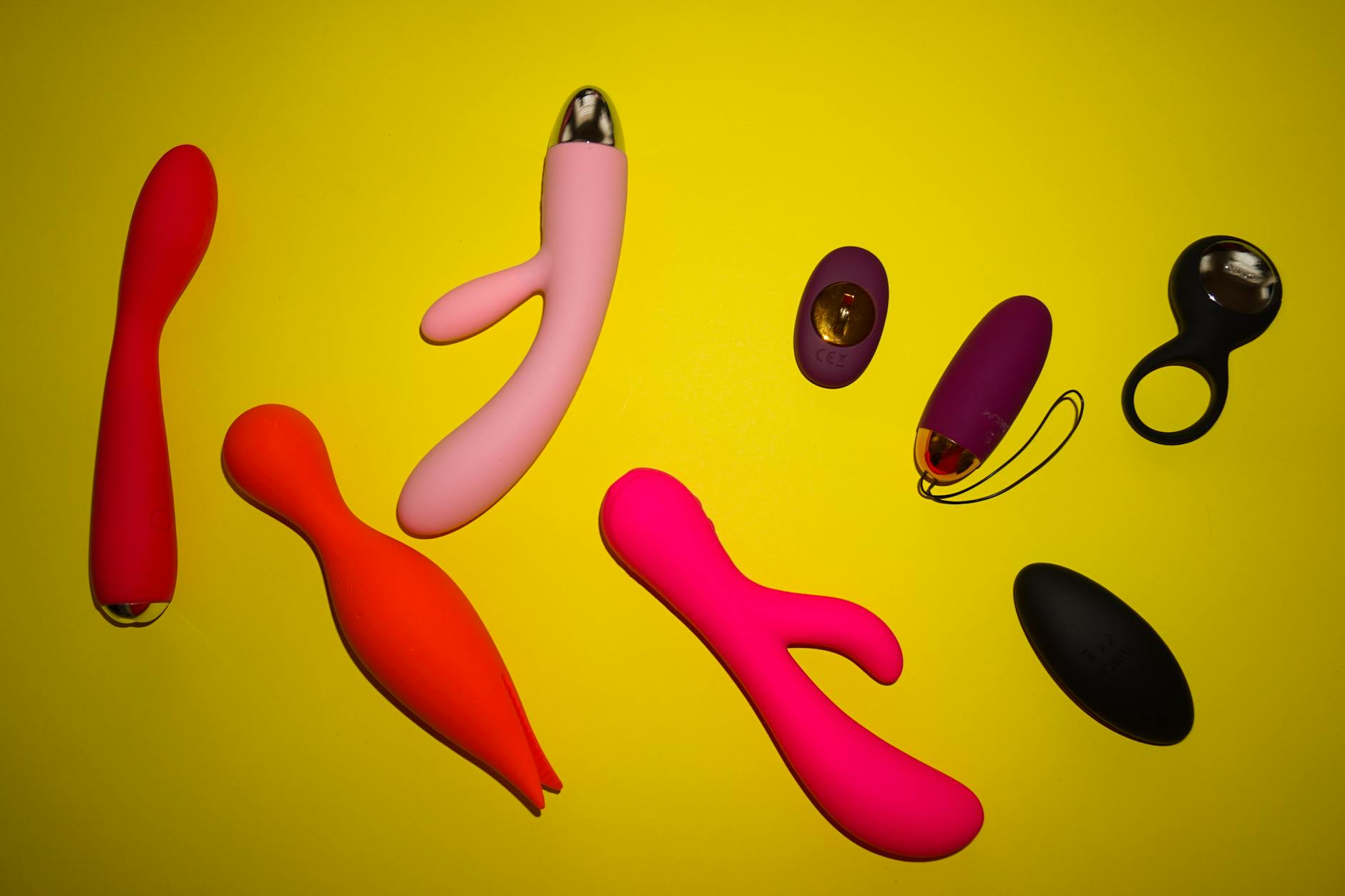
Photo by FounderTips on Pexels
Starting with the lem vibrator when pain is the issue
If penetration has been painful, jumping into a clitoral vibrator might feel vulnerable. Here's how to approach it:
Start alone. This isn't about your partner. You're gathering data about what your body can feel when it's not afraid. Use the lem vibrator at pattern 1 or 2, lower intensity, longer warm-up time. The goal is not orgasm. The goal is sensation without pain.
Use lubricant anyway. If penetration causes pain, your tissue might be more sensitive than usual. Water-based lube on the external area makes everything feel smoother and less intense, which paradoxically helps you relax into stronger sensations later.
Stop if anything pinches or stings. This is different from the deep ache of penetration. If the vibrator itself causes sharp pain, your pelvic floor might be too tight. That's when pelvic floor physical therapy becomes essential. A lemon clitoral vibrator is a tool for working alongside treatment, not replacing it.
Build a pattern. Use the vibrator the same way three to five times before inviting your partner in. Your nervous system needs repetition to trust that this sensation is safe.
Bringing your partner into the picture
Once you've spent time solo, this becomes a conversation, not a surprise.
Let them know you've been exploring clitoral stimulation because penetration-based sex has been causing pain. Frame it as a solution, not a replacement. The goal is pleasure for you, which means pleasure for both of you.
Many partners feel relief when they hear this. They've been worried they're causing the pain. They've been uncertain whether to keep trying or stop. A lemon vibrator gives everyone a clear path forward.
During partnered sex, you have options. Your partner can hold the lemon vibrator while you're together but not penetrating. You can use it on yourself while they provide other forms of touch. Or you can alternate: clitoral focus on the vibrator, then other forms of intimacy.
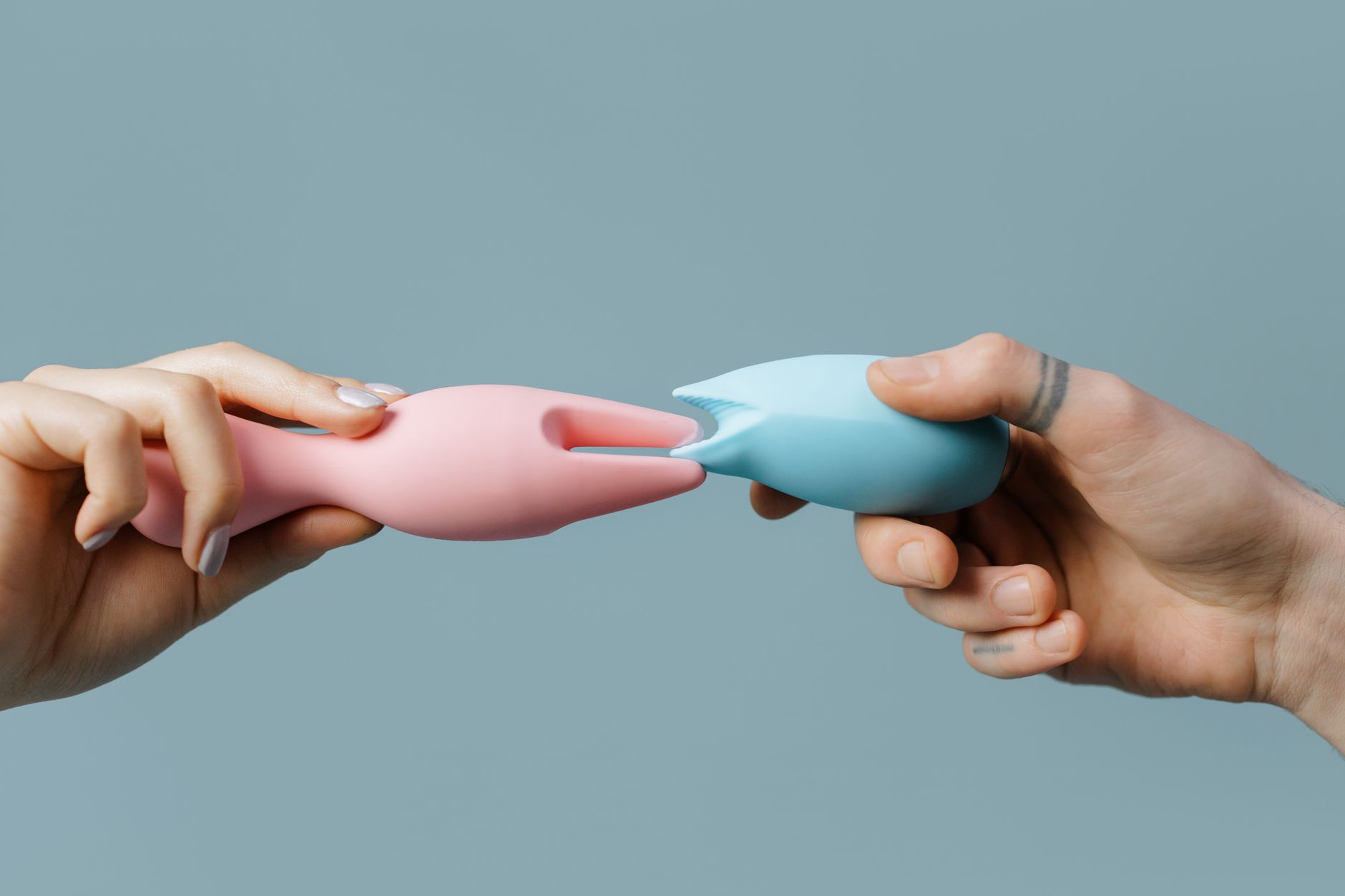
Photo by cottonbro studio on Pexels
The timeline for rebuilding sensation after pain
Listen, this doesn't happen in two weeks. Your nervous system unlearned something over months or years. It needs time to relearn.
Most people see a shift in two to three weeks of consistent solo use. Within six to eight weeks, partnered sex becomes less scary. After three months, many clients tell me they've had their first painless penetration since pain started, or they've decided that clitoral-focused sex is actually what they prefer.
But the timeline varies wildly depending on the cause of pain, how long you've been experiencing it, trauma history, and whether you're working with a physical therapist simultaneously.
When to layer other tools
A lemon vibrator is powerful for clitoral focus. But if penetration still hurts after eight weeks of solo exploration, other things matter:
Pelvic floor physical therapy. Find a PT who specializes in pain during sex (they're trained differently than general pelvic floor PTs). They can identify specific tension patterns and teach you how to relax on purpose.
Topical numbing cream. If entry pain is sharp and immediate, a small amount of lidocaine cream on the entrance can help you relax enough to accommodate penetration. This is a bridge tool, not a permanent solution, but it can help you retrain your nervous system.
Dilators. If your pelvic floor is very tight, a set of vaginal dilators used daily can gradually stretch tissue and reset the protective reflex. Many PTs recommend using them alongside a vibrator.
Different positions. Once you've rebuilt some confidence with clitoral stimulation, some positions cause less pain than others. Your angle of entry matters. This is worth experimenting with once you're ready.
Remember, how to use a lemon vibrator when you have thin tissue, dryness, and sensitivity has overlap with pain management, especially if your pain is tissue-related. That post might offer additional context.
What actually shifts in your relationship
Here's what I've watched happen in couples after one partner uses a lemon clitoral vibrator to move past sex pain:
First, the pressure lifts. For years, sex was a source of worry. Now it's a source of exploration. That changes everything.
Second, pleasure becomes decoupled from penetration. People often discover they actually prefer clitoral orgasms, or they find that combining the two feels better than penetration alone. That's information that never would have surfaced if pain was blocking the path.
Third, trust deepens. When you and your partner successfully navigate something difficult together and come out the other side with more pleasure than before, it bonds you. You proved you could problem-solve around this, not just suffer through it.
Finally, you get your body back. That matters more than anything else. Pain during sex is not just a physical problem. It's a theft of autonomy. Using a lemon sucker to reclaim pleasure is reclaiming yourself.
Checking in with yourself: is this working
After a few weeks of consistent use, ask yourself these questions:
Do I feel anticipatory excitement about solo pleasure, or still dread? Am I having orgasms that feel good, not just functional? When I think about partnered sex, does my pelvic floor tense up automatically, or can I stay relatively relaxed? Have I had any moments of painless penetration, or am I noticing the pain is less intense?
If you're seeing yes anywhere in those questions, the lemon vibrator is working. If you're still in full defensive mode after eight weeks, that's the sign to loop in a pelvic floor PT if you haven't already.
FAQ: Pain, pleasure, and lemon sexual toys
Can a lemon vibrator cause pain if I'm already experiencing it?
Not if you start gently. Clitoral tissue is sensitive, and if your entire pelvic region is braced against pain, any stimulation might feel overwhelming at first. That's why starting at the lowest pattern, using plenty of lubricant, and stopping immediately if anything stings is essential. Pain during vibration is different from the protective tension that relaxes as you use it. Sharp pain means stop. Deep tension that eases means keep going.
Will using a lemon clitoral vibrator make penetration feel worse?
The opposite. By giving your nervous system positive sensations without pain, you're retraining what sex means to your body. Your pelvic floor learns it doesn't always need to brace. But this works best alongside medical care, not instead of it.
Should I tell my gynecologist I'm using a lemon sucker while managing pain?
Yes. Your doctor needs the full picture to help you. If they don't ask, volunteer it. A good provider sees vibrator use as part of healthy exploration and healing, not as weird or concerning.
How long does it take before penetration stops hurting?
It depends on the cause of pain and how long you've been experiencing it. Three months of consistent work is a reasonable timeline. But some people see shifts in weeks, others need longer. Work with a physical therapist who can give you specific markers of progress.
What if my partner won't use the vibrator with me?
That's worth a conversation. Pain during sex affects both of you. A partner who refuses to engage with solutions is choosing to stay stuck. You might benefit from couples counseling to work through whatever's blocking them. Your pleasure and your body's healing matter.
Is there a "best" lemon vibrator for pain?
The lem vibrator is designed for external clitoral stimulation with precision. Its suction pattern means you get stimulation without the intensity of direct vibration, which many people with sensitive tissue or pain histories prefer. That said, any clitoral vibrator is better than none. Start with what you have access to. Upgrade later if you want.
The thing nobody says about sex pain
Pain during sex isn't something you fix once and move on. It's something you work through, often with tools, help, and patience. But here's what also matters: on the other side of that work is usually a version of your sexuality that's more expansive than before.
You stop thinking sex has to look one way. You discover what actually turns you on instead of what you thought you were supposed to want. You learn to advocate for your own body. That's not a consolation prize. That's the whole thing.
A lemon vibrator is part of that journey, not the whole journey. But it's often the part that makes everything else possible.