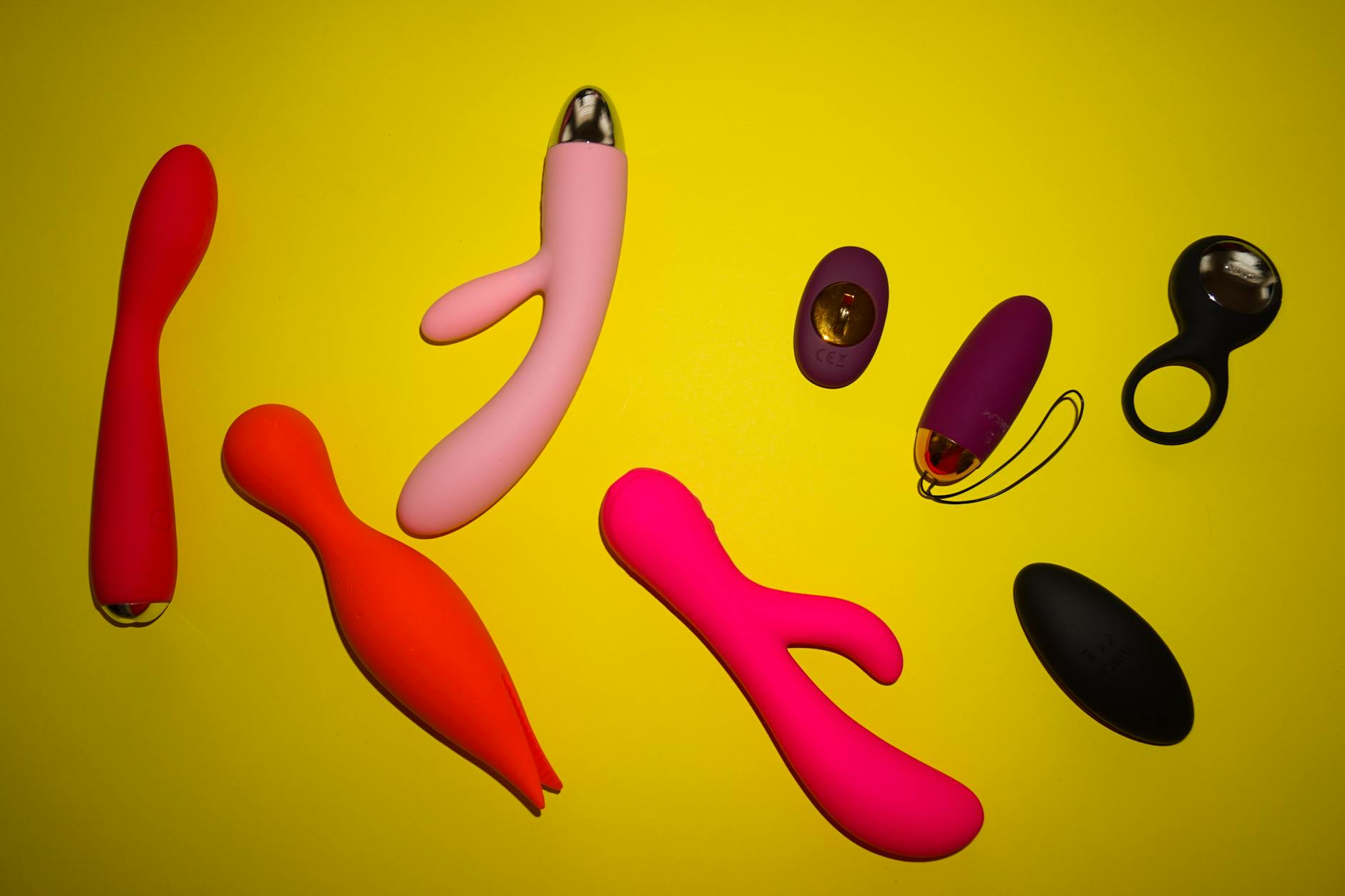
When silence becomes the default
Let's be real. There's a particular kind of distance that happens when life gets in the way. Not anger, not resentment necessarily. Just time. Work stretches. Kids need things. Someone gets sick. And then one day you realize you haven't touched each other intentionally in weeks, maybe months. That gap between you feels like it's widening every day.
The instinct is usually to panic or push. Try to force it back to normal with one big, intentional night. But that rarely works. Pressure kills the whole thing before it even starts.
Rebuilding physical connection after a pause isn't about erasing the gap. It's about stepping into it together, gently, with something that doesn't ask for performance.
Why lemon vibrators work for this specific moment
Here's what makes clitoral vibrators like the lemon design different from penetrative options when you're in this fragile phase. They're not about going deeper or lasting longer. They're about sensation without the baggage of expectation.
When you've been distant, penetrative sex can feel loaded. There's an implicit promise in it. The suction-based design of a lemon clitoral vibrator sidesteps all that. It says, "This is just about sensation. Just about what feels good right now." That distinction matters enormously when you're rebuilding trust in your own body and in your partner's attention.
A lemon vibrator also works at whatever pace you actually set. No rhythm you have to match. No performance anxiety baked into the mechanics. Just steady, consistent stimulation at intensities you completely control.
The solo practice foundation
Before you bring this into shared space, spend time with it alone. I don't say this lightly. Solo practice isn't a warm-up for partnered sex. It's permission to remember what your own body likes without anyone watching.
Start in a quiet space where you won't be interrupted. Twenty minutes minimum, no phone. This isn't a project to complete. There's no finish line. Explore the different intensity settings on your lemon vibrator without any goal except feeling.
Many people who've been distant for a while find that reconnecting with their own pleasure is actually the hardest part. Your body might feel unfamiliar. Sensation might arrive differently than you remember. That's not a problem. That's information. Notice what happens. Notice where you want more, where you want less.
This foundation matters because when you bring the clitoral vibrator into the room with your partner, you'll already know what actually works for you. You won't be figuring it out in real time under pressure.
Creating the conversation first
Let's pause the practical part for a second. Before your partner even sees a lemon vibrator, the two of you need to talk about what's happening in the silence.
Not in a heavy way. Not "We need to fix this." More like, "I've noticed we've been really far apart. I miss you. And I'm nervous about how to close that gap without it feeling weird or pressured." That honesty opens a door.
Then: "I got this toy. It's not about me needing something you can't give me. It's about having something that takes performance off the table so we can just be together and feel good without pressure."
Good partners will hear that as the relief it actually is. You're removing the pressure, not adding to it. You're saying that you both deserve to enjoy this without stakes.
The first time together
Set the scene, but keep it simple. Clean sheets. Maybe dim light. A bottle of water-based lubricant. That's genuinely all you need.
Start with clothes on. Spend thirty minutes just touching each other. This is not foreplay with a destination. This is remembering. Hands on arms. Forehead to forehead. Whatever physical connection feels safe. Let the conversation be quiet. Let there be silence too.
When that starts to deepen and you both want more, move to the lemon vibrator. But here's the key. Don't skip to intensity level five. Start at level one or two. Let the sensation build gradually. Your body needs time to wake up. Your nervous system needs time to register safety.
If you're using it on yourself while your partner is present, they can be touching you elsewhere. Hands on your back. Mouth on your neck. They're participating without performing. They're present without fixing.
If your partner is using the lemon vibrator on you, the same rhythm applies. Start gentle. Build slowly. The goal here is not to reach orgasm as fast as possible. The goal is to spend thirty or forty minutes rediscovering what it feels like to be desired by someone you trust. That's the real work of reconnection.
Managing the vulnerability
Here's the part nobody tells you. When you've been distant and you start touching again, emotions surface that have nothing to do with the physical sensation itself. You might want to cry. You might feel angry for no clear reason. Your body might freeze up halfway through.
That's not a sign that this is wrong. That's what happens when you start thawing after you've been numb. Acknowledge it. Name it. "I'm feeling a lot right now." And then pause, breathe, decide if you want to keep going or just hold each other.
Your lemon clitoral vibrator is there to create a framework for pleasure, but it's not magic. The real thing being rebuilt is trust. The vibrator is just the container.
The gradual deepening
Over two or three weeks, you might notice the intensity increasing naturally. You're spending more time together. The silences feel less loaded. Your body is remembering how to relax into this.
That's when you might try different positions. You might bring the lemon vibrator into partnered sex. You might experiment with how to use a lemon vibrator when you want deeper intimacy with your partner in ways that feel collaborative rather than like someone's fixing a problem.
The key is that you're always checking in. "Is this working for you?" "Do you want to try something different?" The communication becomes part of the intimacy, not separate from it.
When things get stuck again
Sometimes even with a lemon vibrator and good intentions, the distance doesn't close. Your partner isn't interested. The vulnerability feels too big. Resentment keeps bubbling up.
That's the moment to talk to someone. A therapist. A couples counselor trained in intimacy issues. There's no shame in that. Some gaps need more than touch to bridge them. Some relationships have deeper breaks that need professional attention.
But here's the thing. If both of you are willing to try, and you're approaching it with honesty rather than pressure, you're already most of the way there. The lemon vibrator is just a tool that says, "Pleasure is possible here. Safety is possible here. We can rebuild this."
That message alone changes everything.
FAQ: Rebuilding intimacy after distance
How long does it actually take to feel reconnected after a long pause?
There's no fixed timeline. Some couples report feeling close again after two or three weeks of consistent, gentle touch. Others need two or three months. The variable isn't how long you were apart. It's how much emotional safety exists underneath the distance. If resentment is deep or trust is broken, physical reconnection alone won't fix it. But if you were just stretched too thin or caught in logistics, consistent small moments of vulnerability often do the work faster than you'd expect.
What if one partner wants to reconnect and the other is hesitant?
That hesitation is important information. It might mean they're hurt. Scared. Overwhelmed. The worst thing you can do is interpret it as rejection and push harder. Instead, ask what they need to feel safe. Sometimes that's just time. Sometimes it's acknowledging what happened during the distance. Sometimes a couples therapist becomes necessary before physical reconnection makes sense. A lemon vibrator can't fix what needs emotional repair first.
Is using a toy during reconnection weird if we've never used toys before?
Not even slightly. In fact, bringing in something new can actually help because it signals that you're both stepping into something fresh together. It's not about reviving what was. It's about creating something new that works for who you both are now. That permission matters.
Can reconnecting with a partner's help using a lemon vibrator feel performative?
Yes, absolutely. And if it does, you pause and talk about it. The whole point is that there's no pressure. If you're feeling watched or judged, that's feedback. You might need to go back to solo practice. You might need your partner to step back and just hold you instead of participating. Flexibility is the whole tool here. The vibrator is supposed to reduce pressure, not create it.
What if we reconnect and then fall back into distance again?
Then you know that the distance isn't just logistics. There's something structural in how you're relating that keeps pulling you apart. That's when professional support becomes really valuable. A couples counselor can help you understand the pattern and build different habits. But you've already proven you can rebuild. That matters. You know it's possible.
How do we keep the reconnection momentum going after the first few weeks?
Consistency beats perfection. You don't need long sessions every day. You need something regular. Even fifteen minutes a week of intentional touch maintains the connection. It signals, "You still matter to me. I'm still choosing this." For some couples, that's scheduled. For others, it's opportunistic. Figure out what you can actually sustain and commit to that, not some fantasy version of intimacy that doesn't fit your real life.