
Let's get real about the nerves
You're thinking about bringing a lemon vibrator into your sex life with your partner, and your brain is already running through every awkward scenario. What if they think you're not satisfied? What if they feel replaced? What if I say it wrong and the whole vibe gets weird?
Honestly? The awkwardness lives entirely in your head until you actually speak. Once you do, most partners respond with curiosity or relief (relief that you finally said it out loud, because they've probably thought about it too).
Why the conversation matters more than the toy
I've worked with hundreds of couples, and I can tell you this: the couples who integrate toys successfully aren't the ones with the fanciest equipment. They're the ones who talked about it first. Not in a clinical "let's schedule a toys discussion" way, but actually talked about desire, what's working, what isn't, and what they're curious about.
When you skip the conversation and just introduce a clitoral vibrator, you're essentially asking your partner to process three things at once: the shock of a new object, uncertainty about what it means for your dynamic, and a bunch of unspoken assumptions about why you want it. That's way harder than having a 10-minute conversation beforehand.
The conversation is the foreplay. It's where you build safety and curiosity together.
Timing matters, but not how you think
Don't bring this up during sex. Don't spring it in the bedroom. Don't save it for a serious talk either. The best moment is casual, intimate but clothed, when you're already feeling connected but not in the middle of something.
That could be while making breakfast, on a walk, in the car, or lying in bed after sex when you're both relaxed and post-oxytocin. The vibe should be "I've been thinking about something and I want to share it with you," not "we need to have a serious discussion about our sex life."
If your partner brings it up first, count yourself lucky. Say yes to the conversation.
How to actually start it
Pick one of these opening lines and adapt it to your voice. The key is honesty without pressure:
"I've been curious about trying something new in bed. Can we talk about it?"
"I read about lemon vibrators and got interested. I'd love to explore that with you."
"I want to feel more pleasure, and I think trying a clitoral vibrator might help. I'm interested if you are."
"This might sound random, but I've been thinking about adding something to our sex life. Are you open to that conversation?"
Notice the pattern: you're stating what you want, being direct, and inviting them in. You're not asking permission. You're not apologizing. You're offering an experience you both might enjoy.
What to say when they ask why
If they ask "why now?" or "is something wrong?" stay grounded.
Say: "Nothing's wrong. I just want to explore more of what feels good. I'd love to do that with you."
Don't oversell it. Don't use phrases like "it'll fix our sex life" or "I read it's supposed to make orgasms amazing." That puts pressure on the toy to be a miracle object, and it sets expectations that might not land.
Do say: "I'm curious about it, and I think we could have fun with it together."
If your partner seems hesitant, ask what's coming up for them. Are they worried about performance? Do they think the vibrator means you're not attracted to them? That's the real conversation, and it's worth having.
The insecurity angle (and how to address it)
Many partners worry that a clitoral vibrator means they're not enough. That's real, and it deserves a real answer.
Here's the truth: a lemon vibrator doesn't replace a partner. It does something a hand can't do. Suction patterns, consistent intensity, precise stimulation. Your partner brings presence, responsiveness, and connection. Those aren't the same thing.
You might say: "I want this because I want to feel more pleasure with you, not instead of you. There are things a vibrator does that your hand can't, and there are things only you can do."
Then show them you mean it by building the experience together. Let them choose the toy with you. Let them control it. Let them see that this is collaborative, not solo.
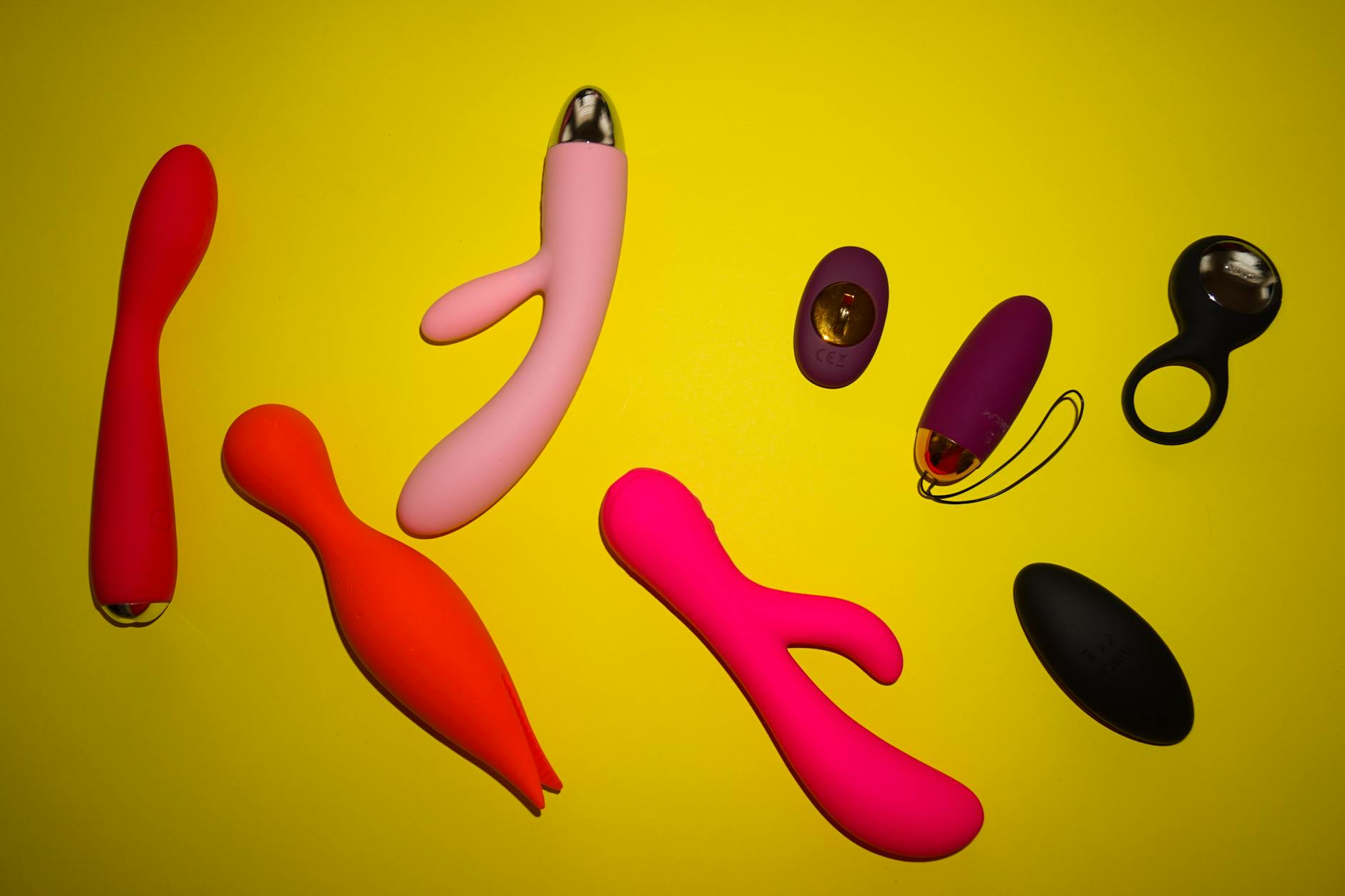
Photo by FounderTips on Pexels
Choosing the toy together (if they're open)
If your partner is curious or interested, involve them in picking it. You could browse together, talk about size and sensation, or let them surprise you.
Lemon vibrators range from compact designs for clitoral stimulation to toys that work for partnered penetration too. Start simple. Many couples find that a smaller, quieter clitoral vibrator like a lemon sucker feels less intimidating than a larger wand.
The actual introduction (in the bedroom)
When you're ready to use it together, start slow.
First time, don't use it during penetration. Use it for foreplay. Let your partner see what it does. Let them hold it. Let them feel it in their hand. Demystify it.
You might say: "Try it here. See what you think." Let them explore it on you without pressure. If you orgasm, great. If you don't, that's fine too. The goal is comfort and curiosity, not performance.
Second time, maybe they use it on you during penetration. Third time, you might use it yourself while they're inside you. The progression is slow because slow builds confidence in both of you.
Communication doesn't stop in the bedroom. If something feels good, say it. If something doesn't, say that too.
When your partner isn't interested (yet)
Not every partner is ready immediately. Some need time. Some need to see you use it alone first. Some need reassurance that this doesn't change anything about your attraction to them.
If they say no, don't push. Plant the seed and let it grow. You can circle back in a few months.
In the meantime, you can absolutely use a lemon vibrator solo. Your pleasure matters, and self-pleasure isn't a threat to partnership. In fact, people who know their own bodies and what they like have better sex with partners.
What you'll probably discover
Most couples who introduce toys together report two things: first, way better conversations about what they actually want. Second, way better sex. Not because the toy is magic, but because you've already practiced being honest and vulnerable together.
That vulnerability is the real change. The lemon vibrator is just the object that gave you permission to have it.
FAQ
What if my partner feels threatened by the vibrator?
That's actually healthy information. It means they have feelings that matter. Instead of defending the toy, get curious: "What are you worried will happen?" Listen to the answer. Often it's about feeling replaced or inadequate. Reassure them that isn't the case, and then show them. Let them be part of the experience. Let them see that the toy enhances what you do together, not replaces them.
Should I surprise my partner with a vibrator, or ask first?
Always ask first. A surprise toy might feel good in a fantasy, but in reality it can feel like your partner just made an assumption about your sex life without checking in. The conversation is part of the intimacy. Skip it, and you skip building trust around desire.
How do I bring this up if we've never really talked about sex?
Start smaller. Don't lead with vibrators. Start with "What do you like?" and "What would you be curious to try?" Let them answer. Then, once you've had that conversation, introduce the vibrator as one option. If you need help, a couples therapist who specializes in sex can facilitate that first conversation. There's no shame in that.
Is it normal to need a vibrator to orgasm with a partner?
Yes. Many people need direct clitoral stimulation to orgasm, and no partner's hand or body can replicate the exact pattern a lemon vibrator provides. That's not a flaw in you or your partnership. It's just anatomy and sensation. Adding a vibrator to partnered sex is standard and healthy.
What if I've been using a vibrator alone and I'm worried to tell my partner?
Your solo pleasure isn't something to hide. You can frame it as: "I've been exploring what I like on my own, and I'd love to explore that with you too." Most partners find that attractive, not threatening. It shows you know yourself.
How do I know if my partner will actually enjoy using it with me?
You don't, until you try. But you can read signals. If they ask questions about pleasure or sexuality, that's curiosity. If they've used toys before, they're likely open. If they seem uncomfortable even talking about sex, that's information too. Go at their pace, but don't wait forever. Life's too short for a dead-bedroom compromise.
The bottom line
Introducing a clitoral vibrator to your partnership isn't about the toy. It's about building a relationship where you can ask for what you want and be heard. Where pleasure is shared and celebrated, not shameful. Where your partner wants you to feel good enough to ask what that looks like.
Start the conversation. The rest follows naturally. And if you need support navigating relationship intimacy, I'm here. For more on connecting with your partner, check out our guides on choosing the right toy for your body and how to use a lemon vibrator when you're nervous.
Your pleasure matters. Your partnership deserves this conversation. You've got this.