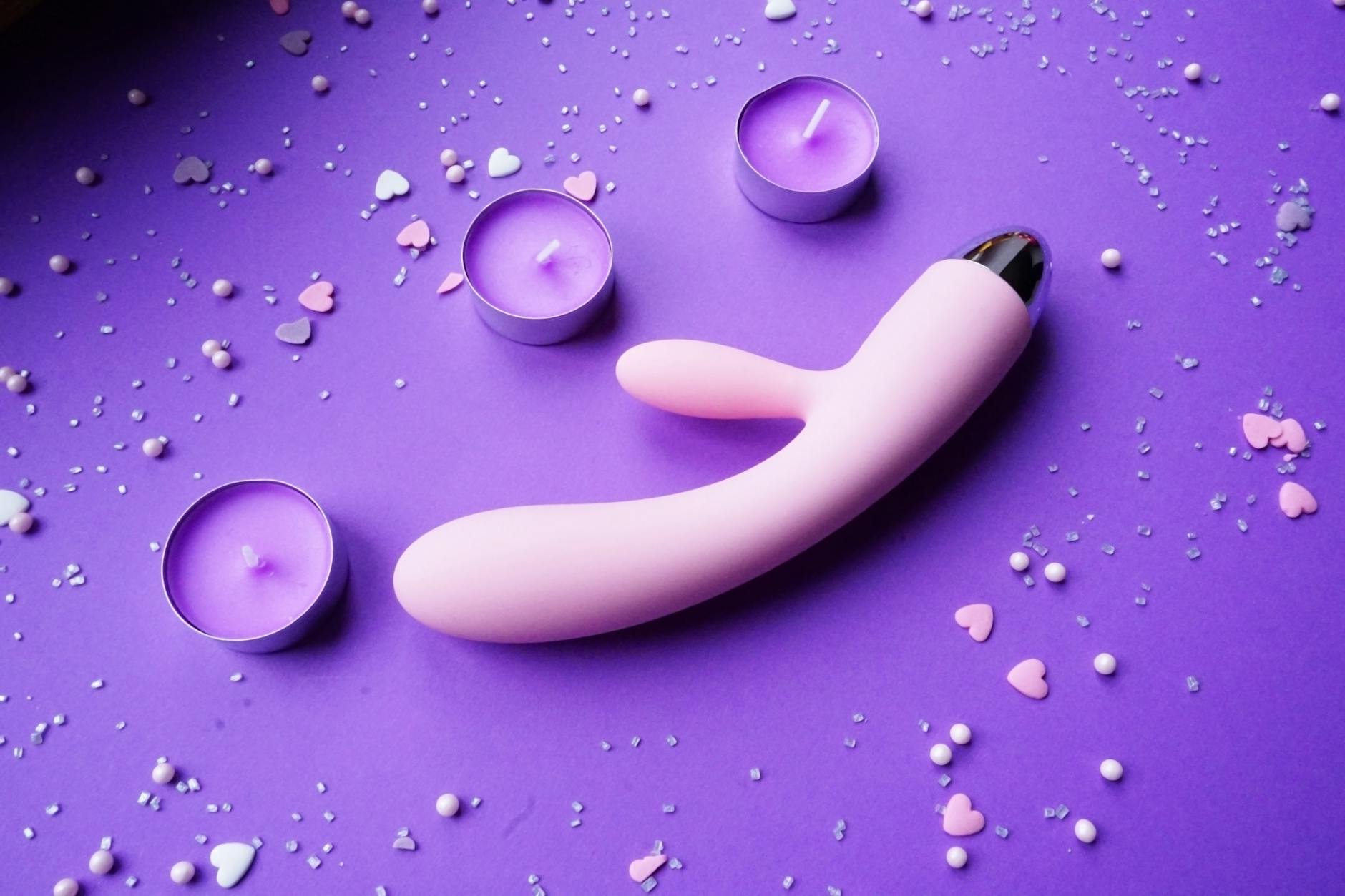
Let's name what you're dealing with
Reduced sensation or numbness in your vulva and clitoris is real, it's not your fault, and it absolutely does not mean you've lost your capacity for pleasure. The frustration of feeling something you know should feel good but doesn't quite connect? That's worth addressing head-on.
Numbness can show up for a bunch of reasons: diabetes, antidepressants, pelvic floor tension so severe it cuts off nerve signals, past trauma, or just the cumulative effect of years of stress living in your body. The cause matters for treatment, but right now, let's talk about what actually works with a lemon vibrator when sensation feels muted or absent.
Why sensation disappears in the first place
Your clitoris is packed with nerve endings, but those nerves need blood flow and healthy nerve tissue to send signals to your brain. When something interrupts that circuit, pleasure goes quiet.
Diabetes damages small nerves over time. Certain medications (SSRIs especially, but also blood pressure meds) can dull sensation as a side effect. Pelvic floor dysfunction that's gone untreated for years can create such intense muscle tension that the nervous system essentially goes offline to protect itself. Trauma can do the same thing, but through a different mechanism. Your body is literally protecting you by dampening sensation.
Here's the thing that matters: sensation can come back. It's not permanent in most cases. And while you're working on whatever's causing the numbness, a lemon clitoral vibrator can actually help rewake those nerve endings.
Why lemon vibrators work better for numb or reduced sensation
Traditional vibrators use rapid oscillation. They work by stimulating nerves through sheer frequency. When your nerves are already struggling to transmit signal, that approach often falls flat. You feel the vibration, but it doesn't translate into pleasure.
Lemon vibrators work differently. They use gentle suction that rhythmically releases and re-engages the tissue. This creates a different kind of stimulation. Instead of vibration, you're getting a pulsing squeeze. That pattern is often more detectable by compromised or numb nerve tissue because it's not asking the nerve to fire rapidly. It's asking it to notice distinct on-off cycles.
Many people with reduced sensation report that suction-based lemon clitoral vibrators feel like they're "waking something up" in a way traditional vibrators never did. It's not faster or more intense. It's different. And different often matters.
Starting with realistic expectations
If you've had numbness for years, you might not feel a dramatic shift the first time you use a lemon vibrator. That's normal and doesn't mean it won't help. Nerve regeneration and desensitization recovery take time. You're not looking for fireworks on day one. You're looking for a pathway.
Start with one session a week, not daily. Yes, I know that sounds conservative. But when sensation is low, frequent stimulation can actually train your nervous system to go even quieter as a protection mechanism. Spacing things out gives your body room to process and gradually rebuild the connection.
Set a timer for 10-15 minutes maximum. This is not about duration. It's about your nervous system staying regulated and not becoming fatigued. Fatigue with numbness often feels like shutdown, and that's counterproductive.
The practical setup that helps most
You need three things: privacy, time, and the right frame of mind.
Privacy is non-negotiable because you need to be able to relax your pelvic floor. When you're worried about interruption, your body stays braced. That keeps sensation locked down. So actually make sure you have 20 uninterrupted minutes.
Time is about warm-up. Spend 5-10 minutes doing literally nothing sexual. Lie down, breathe, maybe touch your thighs or belly in a non-goal-oriented way. You're asking your nervous system to shift out of sympathetic (fight-or-flight) activation into parasympathetic (rest-and-digest) mode. That shift is where sensation lives.
Frame of mind means releasing the expectation that this will feel like it "should." You're not chasing an orgasm. You're not measuring success by pleasure intensity. You're just observing what you notice. Warmth, tingling, pressure, texture of the toy, movement of your breath. That's the win.
The technique that works with reduced sensation
Start on the lowest setting. With Hello Nancy's lemon vibrator, that's pattern one or two. Your instinct will be to crank it up because you're not feeling much. Resist that. Low intensity for longer is more effective than high intensity for short bursts when sensation is compromised.
Position the lemon vibrator directly over your clitoral glans. Not next to it, not floating above it. Direct contact. Use a small amount of water-based lubricant to help with glide and sensation.
Once you've made contact, don't move it. This is counterintuitive if you're used to stroking or rubbing. But with reduced sensation, staying still lets you notice micro-changes in pressure and pulsing. Movement can actually scatter the signal your nerves are trying to send.
Breathe steadily. Don't hold your breath or tense up. Your breath literally regulates your nervous system. Shallow breathing keeps you stuck in protection mode.
After 5 minutes on pattern one, pause for 30 seconds. Notice if anything has shifted. Does the contact feel different? Warmer? Different texture? Then move to pattern two for another 5 minutes.
What to do if nothing feels different
Don't panic and don't push harder. Nothing feeling different is information, not failure. It tells you either that your nervous system needs more time to rewake, or that you need to address the underlying cause before sensation-focused work will help.
If you've tried lemon vibrators weekly for 3-4 weeks and there's genuinely zero change, talk to a doctor. Specifically, ask about:
Neuropathy screening if you have diabetes or take medications known to affect sensation. Pelvic floor physical therapy if you suspect tightness or guarding. A psychiatrist or therapist if your numbness showed up after trauma, because talk therapy alone often won't rewake sensation that your body deliberately shut down for protection.
These aren't failures on your part. They're redirects. You're getting information about what needs to happen next.
How partners can support this without making it weird
If you're in a relationship, you don't have to do this alone. But you do have to set clear boundaries about what support looks like. "I'm going to try using a lemon vibrator to help with sensation, and I need 20 minutes alone to do it" is a complete sentence. You don't owe explanation or real-time reporting.
What does help: a partner who isn't waiting for you to "fix" this before sex resumes. Pleasure and sensation work happen alongside your sexual relationship, not before it. That means your partner understands that penetration might still feel muted, that an orgasm might not happen, and that's okay. You're building something back, not performing a recovery.
If your partner wants to be part of sensation work eventually, that's a different conversation and one worth having with a sex therapist or the kind of relationship coach who specializes in bodies that need time.
What typically comes back first
From my experience working with clients, sensation usually returns in stages. First is often warmth or mild tingling. That feels so subtle you might almost miss it. Don't. That's your nervous system waking up.
Next usually comes texture awareness. You'll start to notice the material of the lemon vibrator differently, or the feel of your partner's touch. Then pressure begins to register. Finally, pleasure sensation itself returns. But it might not feel like it "used to." It might feel new. Let it be new.
The whole process typically takes 2-6 months of consistent gentle work, plus whatever medical intervention applies to your situation. That's not fast. But it's sustainable. And it's real.
When to seek additional help
If numbness appeared suddenly, talk to your doctor immediately. Sudden nerve changes can indicate something that needs quick attention.
If numbness is getting worse despite consistent lemon vibrator use, stop and consult a healthcare provider. Don't assume it'll resolve on its own.
If numbness is tied to trauma, working with a somatic therapist (not just talk therapy) can be genuinely life-changing. They understand how the body holds protection and how to gently release it. Pairing somatic therapy with lemon vibrator use creates a feedback loop that accelerates recovery.
Your pleasure matters. Your body's recovery matters. And reduced sensation is treatable, even when it feels permanent right now. Start small, be patient, and stay consistent. The pathway back to feeling is there.
People also ask
Can numbness from antidepressants improve if I keep using a lemon vibrator?
Maybe. Antidepressants can dull sensation, but most people do eventually adapt or find the sensation returns as their body adjusts to the medication. Consistent gentle stimulation with a lemon clitoral vibrator can help by actively training your nervous system to process sensation again. But if numbness is a major side effect for you, talk to your doctor about adjusting dose or timing of your medication. You might also benefit from taking your dose at a different time of day so that sensation returns by evening. This is a conversation between you and your prescriber, not something to figure out alone.
How long before I feel something with a lemon vibrator if I have reduced sensation?
It varies wildly. Some people notice a shift in the first week. Others take 4-6 weeks. Your timeline depends on what caused the numbness, how long you've had it, and your overall nervous system health. The key is consistency without pressure. Using a lemon vibrator once and expecting results sets you up for disappointment. Weekly use for at least a month is the realistic minimum before you'll know if it's helping.
Is numbness in the clitoris permanent?
No, not usually. Even long-standing numbness can improve with the right intervention. Nerve tissue is remarkably plastic. What matters is addressing the underlying cause while also gently stimulating the area to help rewake sensation. A lemon vibrator can be part of that strategy, but it's not the whole solution. Medical evaluation, pelvic floor therapy, or trauma work might also be necessary.
Should I use a lemon vibrator if I have diabetes and numbness?
Yes, but gently and with awareness. Diabetes-related neuropathy means your nerve tissue is damaged, not dead. Gentle stimulation can help maintain sensation and potentially slow further loss. Check your skin carefully before and after each session to make sure there's no irritation. If you develop redness, pain, or any skin changes, stop and talk to your doctor. Your clitoris deserves the same care you'd give any part of your body managing neuropathy.
Can I use a lemon clitoral vibrator if I have pelvic floor dysfunction causing numbness?
Yes, but timing matters. If your pelvic floor is severely tight and guarded, you might need pelvic floor physical therapy first to help your muscles relax before sensation work becomes effective. That said, very gentle lemon vibrator use can sometimes help signal to your pelvic floor that it's safe to relax. The key is low intensity and short sessions. If you're in active pelvic floor therapy, ask your therapist before adding vibrator work so they can coordinate with what you're already doing.
Will a lemon vibrator feel different than other vibrators if I have numbness?
Almost certainly. The suction-based pattern of a lemon clitoral vibrator creates a different neural signal than traditional vibration. Many people with reduced sensation find that the rhythmic suction pattern is more detectable by compromised nerves. It's worth trying, especially if traditional vibrators have felt like nothing. That said, not every body responds the same way. If lemon vibrators don't help after consistent use, other approaches might be worth exploring with a healthcare provider.