Let's name what actually happened
Chemotherapy doesn't just affect your cells. It affects your skin, your energy, your sense of your own body, and yes, your sexual response. None of that is weakness. It's biology. And the good news is that rebuilding pleasure after cancer treatment is possible, often with the right approach and the right tools.
What I hear from clients navigating post-chemo sexuality is almost always the same: "I want to feel like myself again, but I'm scared my body won't cooperate." That fear makes sense. Chemotherapy can change everything from lubrication to nerve sensitivity. What doesn't change is your right to pleasure or your capacity for it.
How chemotherapy affects sexual response
Chemotherapy works by attacking fast-growing cells. Unfortunately, the cells lining your vulva, vagina, and clitoris grow relatively quickly too. This means your tissue becomes thinner, more fragile, and less naturally lubricated. Chemotherapy also commonly triggers early menopause symptoms, which compounds the dryness and tissue thinning.
Beyond the physical, chemo often creates psychological friction around sex. Hair loss, body image changes, exhaustion that lasts months. Depression and anxiety are completely normal post-treatment responses. Your nervous system has been through trauma, and your brain may be hesitant to re-engage with pleasure as a safety measure.
But here's the distinction that matters: tissue sensitivity and reduced sensation are temporary. They improve over time, especially with gentle, consistent stimulation.
Why lemon clitoral vibrators work better during recovery
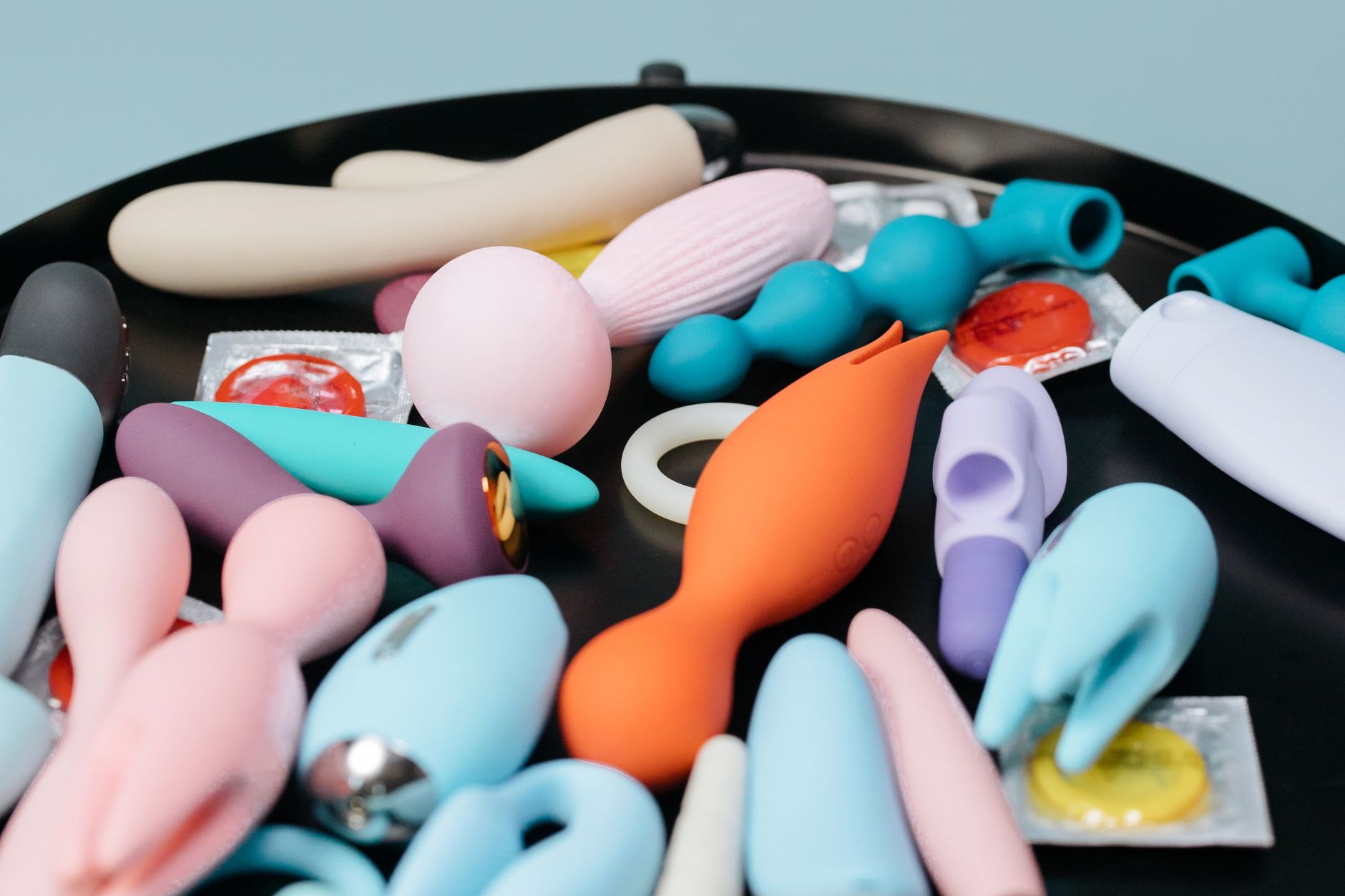
Traditional vibrators rely on direct mechanical vibration. After chemo, that can feel overstimulating or even painful on newly sensitive tissue. A lemon sucker like the Lem works differently. Instead of vibrating, it uses gentle suction and pulsing to stimulate the clitoris without harsh friction.
This matters because:
The suction approach requires less direct pressure on delicate tissue. You get intense sensation without the mechanical jolt. The pulsing patterns let you build arousal gradually, which is especially useful when your nervous system needs time to re-engage. Silicone construction is hypoallergenic and easy to clean, which matters when your immune system may still be recovering. You can use water-based lubricant freely without damaging the toy, and lubrication is essential post-chemo.
Many of my clients find that suction-based stimulation feels "safer" psychologically too. It's different enough from standard vibrators that the mind doesn't trigger old associations or fears.
The physical setup for safe exploration
Timing is crucial. Most oncologists recommend waiting 4-6 weeks after your last chemo session before attempting any sexual activity, but that varies by person and treatment type. Check with your medical team first.
When you're ready to start:
Use generous lubrication. Water-based lube is your friend. Apply it liberally to the external vulva and around the clitoral area. Reapply as needed. Chemo-treated tissue does not self-lubricate well, and that's not a reflection of arousal. It's just biology.
Start with the lowest setting. The Lem has multiple intensity levels for exactly this reason. Begin at pattern 1 or 2. Your goal isn't orgasm on day one. It's sensation and reconnection.
Keep sessions short. Ten to fifteen minutes is plenty. Longer isn't better when you're rebuilding. You're teaching your nervous system that pleasure is safe again.
Stop if pain appears. Discomfort is normal. Pain is not. There's a real difference. Sharp pain, burning that lingers afterward, or pain during the session means pause and try again another day.
Warm up first. Spend time on your own before introducing any toy. Breathe, touch other parts of your body, get your nervous system online. This primes everything for better response.
The emotional work runs parallel to the physical
My clinical observation: most post-chemo sexual difficulty is 60 percent psychological and 40 percent physical. You can fix the physical part with lubrication and the right toy. The psychological part requires intentional work.
Fear is the biggest barrier. Fear that your body is broken. Fear that you'll never want sex again. Fear that your partner won't find you attractive. These fears aren't irrational. They're protective. Your system kept you alive through hell. Now it's being overcautious.
Here's what helps: reframing pleasure as part of recovery, not as a return to normalcy. You're not trying to go back to pre-chemo sexuality. You're building something new. Sometimes that new version is actually richer, because you're more intentional about it.
If you're with a partner, communication becomes your most important tool. Not "I want to try sex again." More like "I want to explore pleasure together in a slower, safer way. I might need to pause. That doesn't mean anything is wrong." That conversation removes the pressure and makes space for actual connection.
When to get professional support
If sexual pain persists after six months, see a pelvic floor physical therapist who specializes in post-cancer care. Pelvic floor dysfunction is common after chemo, and it's treatable.
If desire remains completely absent a year post-treatment, talk to your oncologist or a therapist trained in cancer survivorship. Hormonal recovery can take longer than expected, and sometimes supplemental support helps.
If you're struggling emotionally with body image or sexuality, a sex therapist or relationship coach familiar with cancer recovery changes everything. You don't have to white-knuckle your way through this alone.
What to expect as you rebuild
The timeline varies wildly. Some people report increased sensation within weeks. Others take months. Hormonal recovery can take a year or more. Energy returns gradually, not all at once. Desire often comes back in waves, not as a steady return.
What usually happens: initial exploration with lower expectations, gradual increase in comfort, then slowly increasing pleasure. Around three to six months post-chemo, most people report noticeable improvement. By a year, many report feeling substantially more like themselves.
A lemon clitoral vibrator sits right in the middle of that timeline. When you're ready to try solo exploration, it's gentler than traditional vibrators. When you want to bring a partner in, it opens conversation in a less loaded way. And it's designed for exactly the kind of sensitive, gradually-increasing stimulation that post-chemo bodies often need.
The bigger picture
Sexuality after chemotherapy isn't about rushing back to how things were. It's about reclaiming your right to pleasure and rebuilding trust in your body. That's slower work. It's also more intentional, more conscious, and often more satisfying than what came before.
Your body survived something hard. Reconnecting with pleasure isn't indulgence. It's part of healing. Tools like the Hello Nancy Lem are designed exactly for moments like this. They meet you where you are, not where you think you should be.