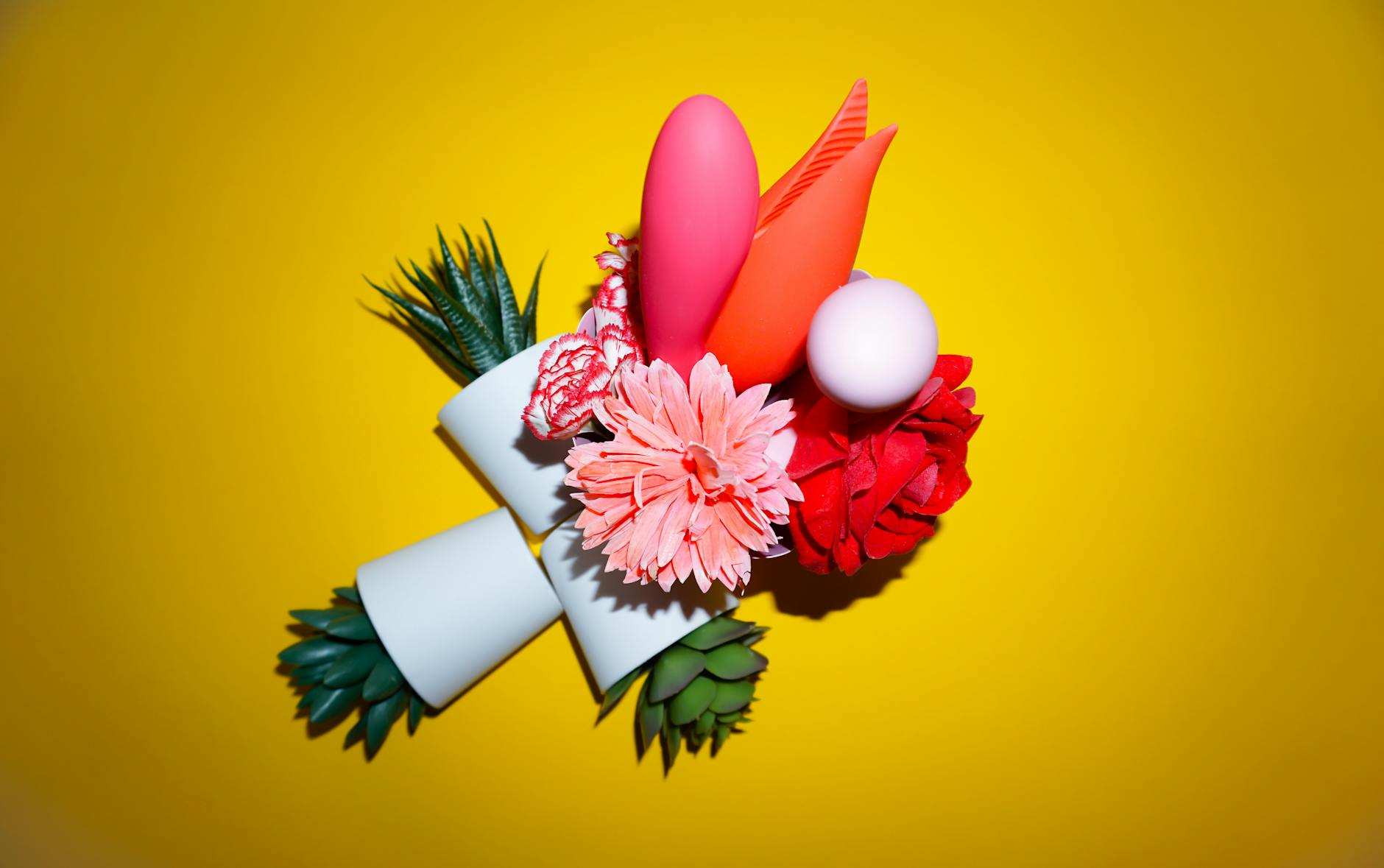
The thing nobody tells you about body image and pleasure
Let's be real. Body confidence and sexual pleasure are not the same thing, but we treat them like they are. You feel self-conscious about how you look, so you assume you won't enjoy sex. That's the trap. And it's a trap that costs people years of perfectly functional pleasure because they've decided in advance that they don't deserve it.
Here's what I've noticed in my clinical work: people with lower body confidence actually respond better to clitoral vibrators like the Lem than people without body concerns. Not because self-consciousness magically helps. But because they're usually more intentional about the experience. They slow down. They pay attention. They're not performing for an imaginary audience.
Why your brain is sabotaging your body's pleasure
Body image anxiety doesn't live in your genitals. It lives in your head. This matters because it means the problem is not physical, and the solution isn't about fixing your body. It's about changing what you're thinking while pleasure is trying to happen.
When you're mid-experience and suddenly aware of how you look, what's happened is your brain has split into two conversations: one part is feeling sensation, and another part is narrating judgment. That second voice is not truth. It's anxiety wearing a fact-checking costume. And the moment it shows up, your nervous system gets the signal that you're unsafe, so arousal pauses.
A lemon clitoral vibrator works in your favor here because the suction stimulation is novel enough that it can hold your attention where judgment usually takes over. The sensation is specific and concentrated, which means you can literally feel it dominating the cognitive load. That's not a side effect. That's the whole strategy.
The setup that actually works
Three changes to how you approach the experience:
First, eliminate the mirrors. Not forever. But while you're rebuilding the connection between your body and pleasure, mirrors become evidence for the prosecution. Find a position where you can't see yourself. On your back, lights dimmed, eyes closed. This sounds basic, but it removes the narrating observer from the room.
Second, use a guide to redirect your attention. This is where a device like a lemon sucker becomes your ally. Before you use it, set one simple intention: "I'm here to feel this sensation." Not to look a certain way, not to perform, not to earn anything. Just to feel. When your mind drifts to judgment, redirect it back to the physical sensation. What pressure feels good? What rhythm? What pattern? This is not spirituality. It's cognitive redirection.
Third, start with solo exploration only. If you're rebuilding body confidence, the last thing you need is an audience. Solo pleasure gives you permission to be awkward, to try things that don't work, to make sounds, to move however feels good. A clitoral vibrator is perfect for this because it doesn't require partner participation. You're not waiting for someone else to be ready. You're the entire experience.
What happens to arousal when self-consciousness drops
Once you've spent a few weeks feeling pleasure consistently without judgment, something shifts. Your nervous system starts recognizing that this situation is safe. Arousal doesn't have to compete with vigilance. Blood flow increases to the clitoris more quickly. Orgasms feel different. Not better necessarily, just fuller. Less like you're working toward something and more like you're receiving something.
That's when people often tell me: "Oh, I was capable of this the whole time." Yes. You were. The capacity was never the problem.
Bringing a partner back in (if that's the goal)
If you want to eventually include a partner, the transition matters. Don't rush it. After solo practice, the next step is not partnered sex. It's telling your partner what you've learned about your own pleasure.
Something like: "I discovered that I need more time to get aroused" or "I feel better when we focus on this specific kind of touch." You're not giving them a complaint. You're giving them useful information. And you're doing it from a place of having already verified that pleasure is available to you.
When a partner then uses a lemon vibrator with you, the dynamic is totally different. You're not waiting for them to figure you out. You already know what works. They're just part of the experience now.
The body image conversation that actually matters
Here's where I need to be direct. If your body image concern is coming from a partner who's told you that you're not attractive enough, or made you feel ashamed, that's not a pleasure problem. That's a relationship problem. A clitoral vibrator won't fix that. What will is either clear communication or, sometimes, the clarity that this relationship isn't serving you.
But if the voice criticizing your body is yours alone, if it's internalized culture and comparison and decades of messaging about what's attractive, then yes. Solo pleasure practice with a device that holds your attention is exactly the right intervention. Because pleasure is the antidote to shame. Not because you're "supposed" to feel better, but because it's literally neurologically incompatible. Your brain cannot simultaneously feel deep pleasure and deep shame. One of them wins. Your job is to stack the deck so pleasure wins more often.
The timeline nobody wants to hear
This doesn't happen overnight. Rebuilding the connection between your body and pleasure when you've spent years in judgment takes weeks, sometimes months. But here's what's interesting: every person I've worked with who stuck with this practice reported significant shifts in their sex life, their confidence, and honestly, their overall relationship to their body. Not because the body changed. Because the conversation about the body changed.
Your lemon vibrator is not a magic fix. It's a tool for attention. And attention is what rewires everything.
When to seek additional support
If body image concerns are tied to trauma, disordered eating, or serious depression, solo pleasure practice needs to happen alongside therapy. A vibrator is an adjunct, not a replacement. A good therapist and a good clitoral vibrator working together can transform the experience much faster than either one alone.
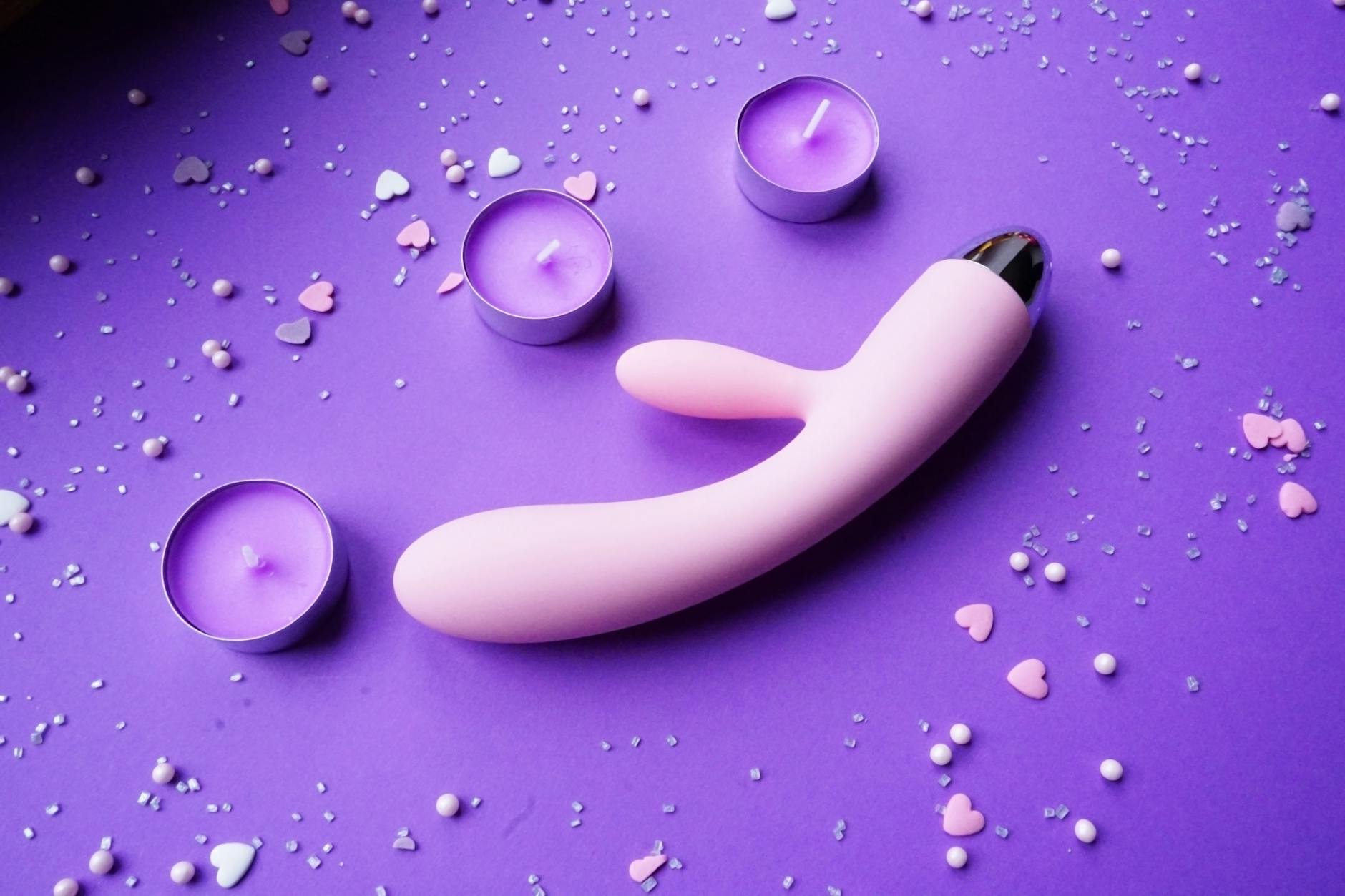
Photo by FounderTips on Pexels
If you notice that even with practice, pleasure remains completely inaccessible, or if shame intensifies instead of easing, that's a sign that professional support is needed. Your body isn't broken. But your nervous system might be protecting you from something, and that deserves real clinical attention.
What changes when you commit to this
The people who see the most transformation are the ones who treat solo pleasure like a practice, not a performance. They use their lemon vibrator or clitoral vibrator consistently. They notice what works. They get curious instead of critical. They give themselves permission to enjoy their own body without justifying it or earning it first.
Body confidence isn't a prerequisite for pleasure. It's an outcome. You don't feel good about yourself first, then have great sex. You have consistent experiences of pleasure, and that's what slowly rebuilds your relationship to your body. The evidence accumulates. Your brain starts to believe that your body is worth paying attention to. And that belief? That's what changes everything.
If you're ready to start, you don't need a perfect body or perfect confidence. You just need a tool that works, permission to try, and willingness to redirect your attention when judgment shows up. A lemon vibrator handles the first part. The rest is just practice.
Frequently Asked Questions
How long does it take to feel comfortable using a clitoral vibrator if you struggle with body image?
Most people notice a shift within 2-3 weeks of consistent practice. Comfort doesn't mean perfection. It means that the device stops feeling foreign and judgment starts to quiet down. By week 4-6, many people report that self-consciousness no longer derails the experience entirely. But the deeper shift, where you actually enjoy your body's sensations without commentary, usually takes 8-12 weeks of regular use.
Can using a lemon vibrator actually reduce body shame over time?
Yes, but not directly. What happens is that repeated experiences of pleasure in your own body create new neural pathways that compete with shame. Every time you feel deep sensation and orgasm without judgment, you're literally retraining your nervous system to associate your body with good things. Shame can't exist simultaneously with genuine pleasure. One has to give. If you stack experiences in favor of pleasure, pleasure wins more often.
What if I feel more self-conscious when using a vibrator because I'm thinking about how the device looks?
This is incredibly common, and it means you need to remove visual input entirely. Use a vibrator in the dark, with your eyes closed, or even under a blanket. You're trying to collapse the experience into pure sensation. Sight is betraying you right now by triggering judgment. Once the neural pathways between your body and pleasure are stronger, you can reintroduce visual elements. But early on, darkness is your friend.
Is it normal to feel guilty about prioritizing your own pleasure when you have body image concerns?
Extremely normal, and it's usually a sign that shame has convinced you that you don't deserve pleasure unless you look or feel a certain way first. That's the lie. You deserve pleasure as a baseline, not as an achievement. Solo practice with a lemon clitoral vibrator is actually an act of rebellion against that guilt. You're saying: "My pleasure matters, regardless of how I look." That statement alone can be transformative.
Should I tell my partner if I'm using a vibrator to work through body confidence issues?
Depends on your relationship and what feels safe. If your partner is supportive and you think they'd understand the practice as a form of self-care, yes. If you're uncertain, you don't have to disclose it. The important thing is that this practice is for you, not for them. You're rebuilding your relationship with your own body. That's sovereign work, and it doesn't require an audience or permission.
What's the difference between using a lemon vibrator solo versus with a partner when you have body image concerns?
Solo use teaches you what your body is capable of without an observer. It removes the "being watched" variable that often intensifies self-consciousness. Once you've established that pleasure is available to you, partnered use becomes much less fraught because you're not waiting for them to validate your body. You already know it works. They're just joining something that's already real.
Moving forward
Your body isn't the problem. The story you've been telling about your body is. A lemon vibrator, used consistently with the intention of reconnecting instead of performing, can help you rewrite that story. Not by making you look different. By making you feel different. And that feeling is where everything shifts.
If you're ready to start this practice or you want to talk through what's getting in the way, reach out. That's what we're here for.
References
Gottman, J. M., & Silver, N. (2015). "The Seven Principles for Making Marriage Work." Crown Publishing Group.
Barasch, D. P., & Lipton, J. E. (2001). "The Pause: Positive Approaches to Menopause." Dutton Adult.
Laumann, E. O., et al. (2009). "Sexual dysfunction in the United States: prevalence and predictors." Journal of the American Medical Association, 281(6), 537-544.
Ottesen, B., et al. (2017). "Physiology of sexual response in women with focus on the clitoris and the vagina." Journal of Sex & Marital Therapy, 43(2), 108-121.