Let's talk about what actually happens
Nerve damage, pelvic floor trauma, or emotional trauma doesn't erase your capacity for pleasure. But it does change how your nervous system processes sensation. Your body has learned to protect itself. That protection made sense at the time. Now it might feel like a wall between you and what you want to feel.
Rebulding pleasure after injury is not about pushing through discomfort or proving you're "healed." It's about learning to communicate with your nervous system in a new language.
Why lemon vibrators work differently after nerve damage
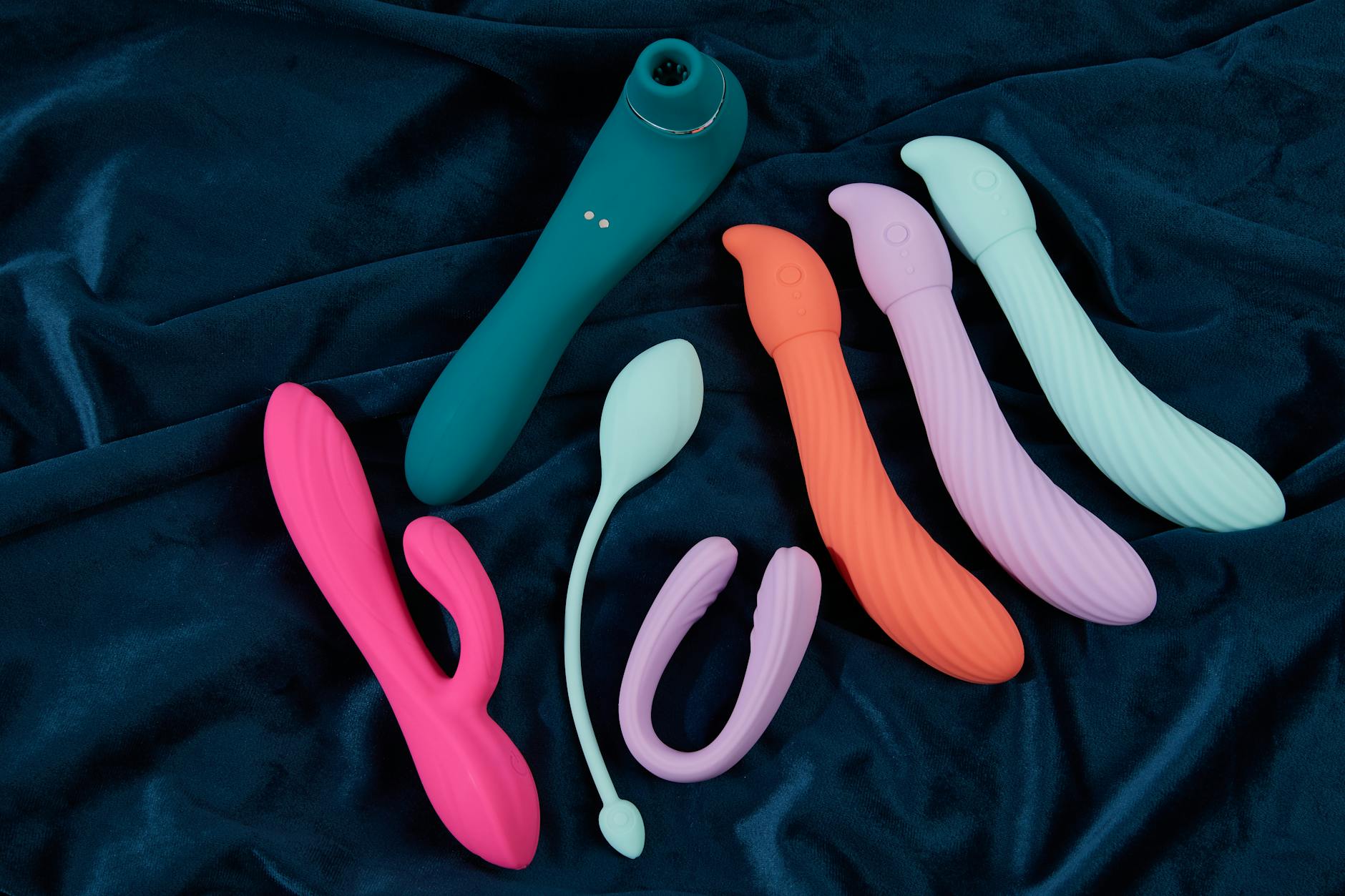
When you're dealing with nerve sensitivity or post-trauma touch, traditional vibrators can feel overwhelming. The steady, intense vibration pattern can trigger your nervous system's alarm response instead of relaxation. A lemon clitoral vibrator uses suction rather than direct vibration, which means gentler, diffuse stimulation across a wider area of sensitive tissue.
Here's what makes this different: suction creates a gradual, rolling sensation instead of a pointed buzz. For people with hypersensitive nerves or touch anxiety, that gentleness is the entire difference between feeling safe and feeling triggered. You're not dealing with sharp input. You're getting a soft wave of pressure that your nervous system can understand as pleasurable rather than threatening.
The Hello Nancy Lemon vibrator lets you start at pattern 1 (barely there) and work upward only when your body signals readiness. That control matters immensely when you're rebuilding trust in your own sensation.
Pacing: the non-negotiable foundation
After nerve damage or trauma, slow is not optional. Slow is the entire strategy.
Start by spending time with the device outside of sexual context. Hold it. Feel the weight. Turn it on at the lowest setting while fully clothed. Let your nervous system gather data that this object is safe. Spend several days on this alone. I know it sounds tedious. It's the difference between healing and re-traumatization.
Once you're comfortable with the sensation on clothed skin, try it over underwear. Again, lowest setting. Again, several days. You're literally retraining your nervous system to recognize touch as information, not threat. That takes time.
When you finally use a lemon vibrator directly on sensitive tissue, keep sessions short. Five to ten minutes maximum at first. Your nervous system will fatigue if you push it. That fatigue looks like numbness or dissociation, which feels like failure but is actually just your body saying "that's enough input for now."
Managing the physical reality of nerve hypersensitivity
After nerve injury, some people experience allodynia. That's when normal, gentle touch actually feels painful. If this is your situation, you need to know: using a lemon vibrator might need to wait. Talk to a pelvic floor physical therapist first. They can assess whether your nerves are ready for this kind of stimulation.
If your nerve sensitivity is past the acute stage, a few practical shifts help:
Use plenty of lube. Water-based is safest for skin that's already fragile. Lube doesn't just ease friction. It creates a buffer between your skin and the device, which reduces micro-abrasions that can reactivate nerves unnecessarily.
Start with external stimulation only. Don't put anything inside your body until you've spent weeks being comfortable with external sensation. This isn't conservative. It's smart.
Pay attention to your nervous system's state before you start. If you're activated, anxious, or rushed, your body won't cooperate. You need to be in a parasympathetic state (calm, grounded, safe). That might mean starting with five minutes of breathing, a bath, or music. Spend more time on nervous system regulation than on the device itself.
When emotions come up during pleasure
One of the weirdest parts of rebuilding pleasure after trauma is that sensation sometimes triggers emotional release. You might cry. You might feel angry. You might feel nothing at all, which is its own kind of grief.
This is your nervous system processing. It's not a sign that you're doing it wrong. It's a sign that your body is learning that safe, consensual touch is possible. Let the emotion move through. Don't push through it or pretend it's not happening.
If flashbacks occur, stop immediately. Lie down. Ground yourself. Touch something cold or textured. Your nervous system needs to remember where it is right now, not where it was during the injury. This is why having a partner present, if that's your situation, matters. <a href="/blog/lemon-vibrator-communication-with-partner-during-sex">Talking to your partner about using a lemon vibrator during sex</a> means they understand this reality and can help anchor you back to safety if needed.
Rebuilding sensation with intentional practice
After nerve damage, some areas of tissue become numb. The nerves are still there. They just aren't firing. You can coax them back, but it takes patience and consistency.
Try this: three times a week, spend 10 minutes with your lemon vibrator at the lowest setting, moving it slowly across the area that feels numb. Don't expect pleasure. You're not chasing orgasm. You're sending your nervous system a signal: "Hey, this area exists. It's safe. Pay attention."
Over weeks, you'll notice tiny changes. A slight warmth. A prickling. Eventually, a return to normal sensation. This is neuroplasticity in action. Your brain literally rebuilds the neural pathways that were damaged. It just needs consistent, safe input.
If you're <a href="/blog/lemon-vibrator-recovery-regaining-pleasure-after-hormonal-changes">regaining pleasure after hormonal changes</a> on top of nerve recovery, the timeline gets longer. But the principle is identical: gentle, consistent, patient.
The mental game is as important as the physical one
Rebulding pleasure is partly neurological and partly psychological. Your body learned that certain sensations meant danger. Now you're asking it to relearn that the same sensations can mean safety and pleasure. That's a huge ask.
Self-compassion is not optional here. On days when you feel nothing, or when you feel triggered, that's not failure. That's your nervous system working hard. Rest. Try again tomorrow. Healing is not linear.
Many people find that working with a somatic therapist or trauma-informed sex therapist during this process makes an enormous difference. They can help you identify what your nervous system actually needs, rather than what you think it should need. Your partner, if you have one, benefits from therapy too. Supporting someone through pleasure recovery requires patience they might not naturally have.
When to seek professional support
If pain increases instead of decreasing over four to six weeks of gentle practice, talk to a pelvic floor physical therapist. If you're experiencing persistent numbness or nerve pain, a neurologist familiar with pelvic nerve injury is worth consulting. If emotional material feels overwhelming, a trauma-informed therapist can help you process it safely.
Using a lemon vibrator is a tool, not a cure. The tool works best alongside professional support and a partner who understands what you're navigating.
The reality nobody tells you
Rebulding pleasure after nerve damage or trauma takes longer than you think it should. It's not a linear journey from zero to orgasm. Some days it's two steps forward and one step back. Some weeks you feel nothing. Some nights you feel everything.
But here's what I've seen in my practice: people who do this work consistently, with patience and without judgment, do get their pleasure back. Not the same pleasure they had before. Different pleasure. Often deeper, because it's built on a foundation of truly knowing your own body and what it needs.
Your healing timeline is yours alone. Honor it.
People also ask
How long does it take to regain sensation after nerve damage?
It depends on the severity of the damage and how consistently you practice. Mild hypersensitivity can resolve in four to eight weeks with regular, gentle stimulation. Deeper nerve damage might take six months to a year. Some sensation may not return fully. That's not failure. Your body adapts. Work with what you have, not what you wish you had.
Is it safe to use a lemon vibrator if I have pelvic floor dysfunction?
Not always right away. Pelvic floor dysfunction often involves tension and guarding. Adding vibration to an already-tense system can make it worse. Start with pelvic floor physical therapy. Once a therapist gives you clearance and teaches you how to relax (not just contract) your pelvic floor, a lemon vibrator at very low intensities can actually help you practice that relaxation. Go slow and communicate with your therapist.
Can I use a lemon clitoral vibrator if I experienced sexual trauma?
Yes, but only when you're ready, and only with professional support. Many trauma survivors find that controlling the pace and intensity of a device (versus partnered sex) feels safer. A lemon vibrator's gentle suction can be less triggering than traditional vibration. But trauma recovery is personal. Some people need years before touching themselves that way feels safe. Honor your timeline. There's no rush.
What if I feel numb when using the vibrator?
Numbness is common after nerve injury and doesn't mean the device isn't working. Your nervous system might need more time to reactivate. Keep using it consistently at low intensity. If numbness persists beyond three months, ask a neurologist if there's scar tissue or ongoing compression affecting the nerves. Sometimes specific physical therapy can help.
Should my partner be present when I use a lemon vibrator during recovery?
That's your choice. Some people feel safer exploring alone first, rebuilding a sense of ownership and control. Others prefer a partner's presence for grounding. <a href="/blog/lemon-vibrator-for-new-relationships-first-time-with-partner">Introducing a lemon vibrator to your partner</a> can happen once you feel comfortable with your own body. There's no right sequence. Follow what your nervous system signals as safe.
Can I use a lemon vibrator if I'm on nerve pain medication?
Talk to your prescriber. Some medications dull sensation, which means you might not feel pleasure or pain signals clearly. That actually makes injury more likely because you can't tell if you're stimulating yourself too intensely. Others enhance sensation, which might make a lemon vibrator feel overwhelming at first. Your doctor knows your specific medication and can advise whether waiting or starting slowly makes sense.
Your body remembers more than you think
Nerves take time to heal. Nervous systems take longer. Trauma leaves marks on how your body processes safety and pleasure. Using a Hello Nancy Lemon vibrator in your recovery journey is one part of a larger process of learning to trust yourself again.
Start slow. Stay patient. Work with professionals who understand both nerve recovery and trauma. And remember: pleasure is possible on the other side of this. It just has its own timeline.
If you're navigating this alone and feeling stuck, reach out. You don't have to figure this out by yourself.