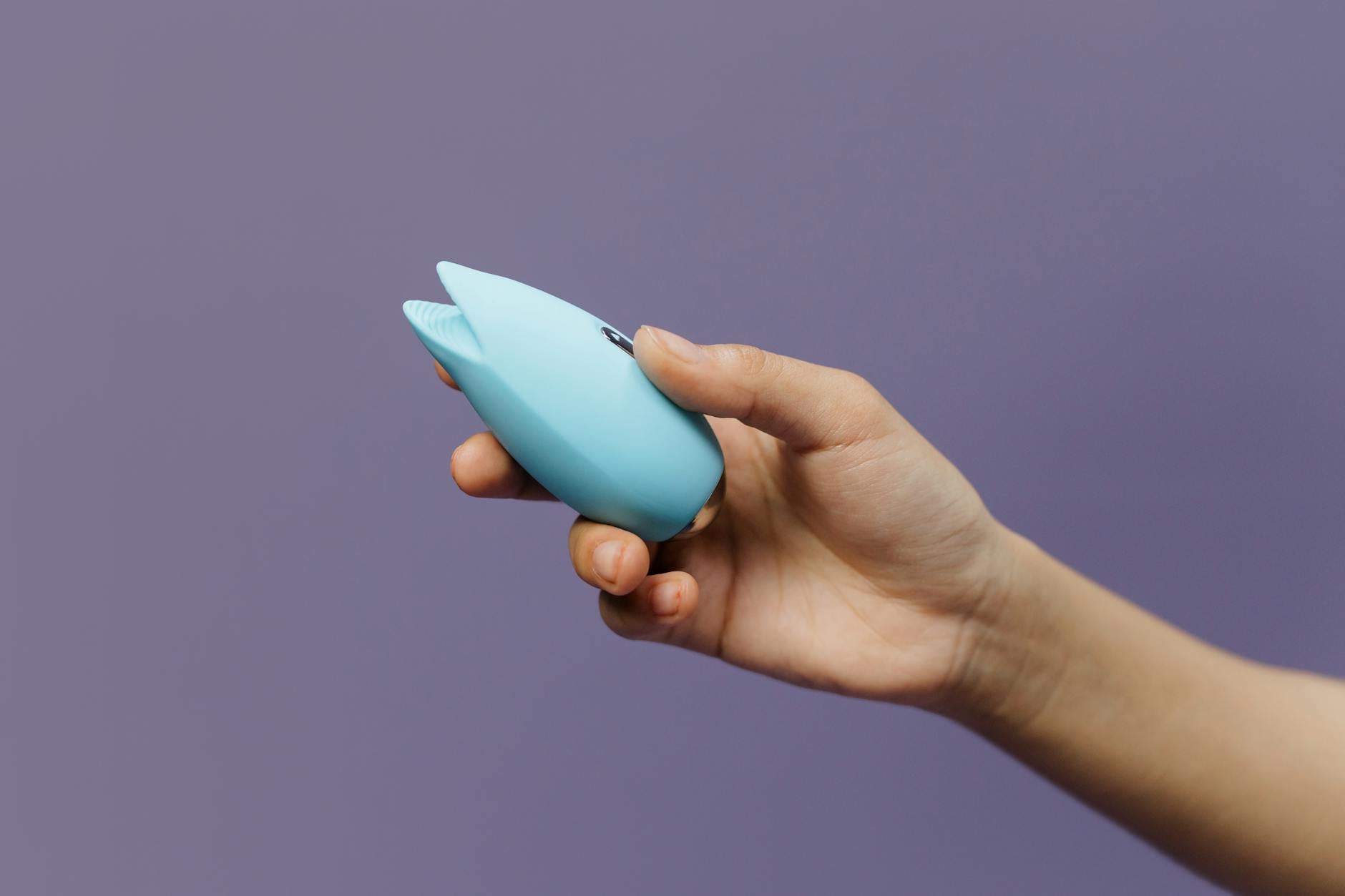
Let's talk about what nobody mentions
Your surgeon tells you when you can lift groceries again. They tell you when you can swim. Nobody tells you when you can have pleasure again, and that silence feels intentional. It's not. It's just uncomfortable for everyone in the room.
Here's what I hear from my clients: six weeks post-op clearance from your doctor doesn't mean six weeks until you feel like yourself. It means six weeks until you can walk without wincing. The nervous system, the pelvic floor, and your sense of what your body is capable of? That's a longer conversation. And it's worth having.
The physical timeline actually has stages
Let me separate the recovery into what's actually happening versus what your surgeon was talking about. When they say "no penetration for six weeks," they mean nothing internal. That's correct. But pleasure doesn't live in only one location, and healing isn't binary.
Weeks 1 to 4. Your surgical site is actively healing. Stitches are still dissolving. Swelling is high. This is not the time for any stimulation. Full stop. Your body is doing emergency repair work. Stay out of the way.
Weeks 5 to 8. You've gotten surgical clearance to resume daily activity. This is when some people start thinking about pleasure again. Here's the thing: you can have external sensation long before you can handle internal pressure. A lemon clitoral vibrator works on the external nerves, which recover faster than pelvic floor muscles. You're looking at gentle, low-intensity exploration in this window. Not sex. Exploration.
Weeks 9 to 16. Swelling is down. Nerve sensation is returning in weird, patchy ways. Some days you'll feel numb. Other days you'll be hypersensitive to touch that usually feels fine. This is normal. This is when most people start actual intimate activity again, with their own lemon vibrator or a partner.
Month 4 onward. Scar tissue continues to remodel for up to a year post-op. You're healing, but also discovering what your body is now. Sometimes that's exactly the same as before. Sometimes it's different in ways that take months to understand.
Why a lemon vibrator makes sense during recovery
The design of a clitoral vibrator like the lemon sucker matters more after surgery than it does any other time. Here's why: suction-based stimulation doesn't require the kind of direct pressure or friction that can aggravate healing tissue.
If you had pelvic floor surgery, perineal reconstruction, or a radical hysterectomy, your vulva has been handled. Literally. Tissues have been moved, reconstructed, or removed. Even if the surgery wasn't directly on external tissue, swelling and inflammation radiate outward. When you're in month two or three and you're ready to try something, a lemon clitoral vibrator operates differently than a traditional vibrator.
Traditional vibrators move fast in place. They create friction and pressure on one spot. During recovery, that can feel too intense, too direct, too much. A lemon toy uses gentle suction that works with your tissue rather than against it. You're not forcing sensation through a healing body. You're inviting it.
For people recovering from gynecological surgery, that distinction between forcing and inviting is everything.
The sensation-rebuilding process
Here's something weird that nobody warns you about: your nerve endings might not wake up in the same order they fell asleep. You might get feeling back in your labia first and not experience clitoral sensation for weeks. You might have phantom sensations. You might feel numb one day and painfully oversensitive the next.
This is not a problem. It's your nervous system reorganizing itself after trauma (yes, surgery is a controlled trauma). Your brain is relearning what signals come from where.
When you're ready to reintroduce sensation, go slowly. Start with the lowest setting on your lemon vibrator. Pay attention to what you actually feel, not what you expect to feel. Some people describe it as pressure without sensation at first. Others say it feels like touching someone else's skin, not their own. That disconnection is temporary.
Sensation comes back in layers. Over weeks, what felt numb becomes subtle. What felt like pressure becomes pleasure. The timeline is different for everyone. Your nervous system isn't on anyone else's schedule.
Communication with your partner matters more now
If you're coupled, this recovery period is actually a rare gift. You get to rebuild intimacy from the ground up. You get to ask for what you need without the assumption that it'll always feel the way it used to.
Tell your partner: "I might not feel what I normally feel. That doesn't mean nothing is working. It means my nervous system is reorganizing." Tell them: "Some days will be sensitive. Other days will be numb. This isn't rejection. This is healing."
If you're using a lemon clitoral vibrator together, that's an act of connection and curiosity, not performance. You're both learning what your body is now. That's actually kind of beautiful.
Watch for these warning signs
If you're past the acute healing window (past week 8 or so) and you're experiencing sharp pain, burning that doesn't ease, or increasing swelling when you try sensation play, stop. Contact your surgeon or pelvic floor physical therapist.
Pain that feels like a burning sensation along scar tissue can mean the scar is tightening. That's treatable. Numbness that extends beyond the surgical site might mean nerve damage. That's also manageable, but you need professional eyes on it.
Normal post-recovery sensations: pressure, mild soreness that eases with rest, hypersensitivity in patches, numbness that slowly improves. Abnormal: sharp pain, bleeding, increasing swelling, spreading numbness.
Know the difference. Ask your doctor.
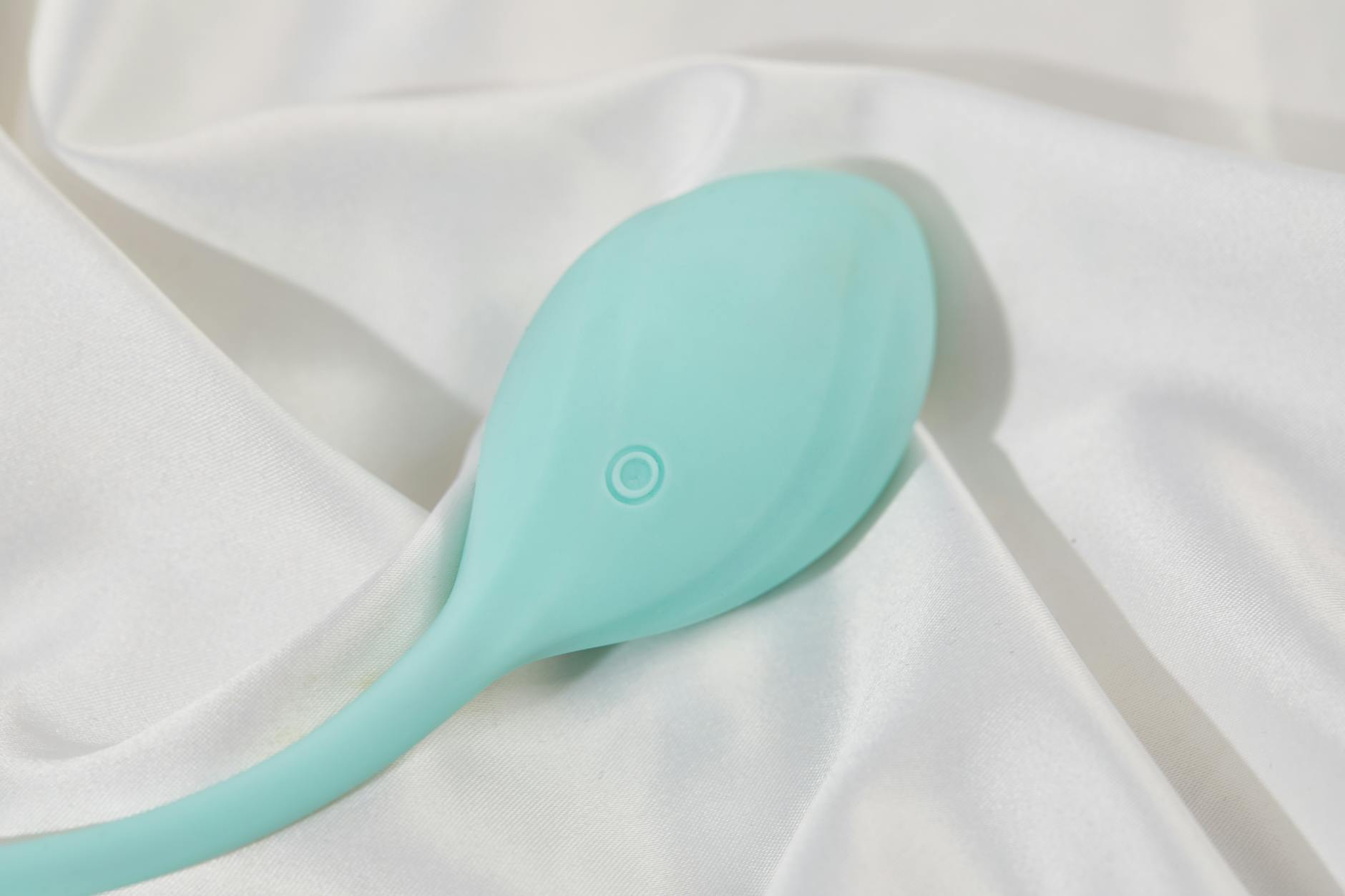
Photo by IFONNX Toys on Pexels
The emotional piece (which is bigger than you think)
Surgery changes your relationship with your body. Even when it was medically necessary. Even when it saved your life. Your body is now the thing that needed fixing, and that's a weird psychological thing to sit with.
Some people feel grief. Some feel gratitude. Most feel both, on different days.
When you're ready to bring sensation and pleasure back into your body, you're not just rehabbing tissue. You're saying: "This body is still capable. This body can still feel good. This body is mine, and I get to have joy in it."
That's why this part of recovery matters. It's not frivolous. It's not too early to think about if you're past the acute healing phase. Pleasure is part of feeling human again.
A practical reintroduction plan
If you're cleared by your surgeon and you want to try a lemon clitoral vibrator, here's a framework:
Week 1 of exploration. Use the lowest setting for 1 to 2 minutes, external only, with plenty of water-based lubricant. You're not trying to orgasm. You're checking in with sensation. How does this feel? Is there pain or just pressure? Stop if anything feels wrong.
Week 2. Increase time to 3 to 5 minutes if week one felt good. You might try pattern 2 if pattern 1 felt dull. Still external only. Still plenty of lube.
Week 3 onward. You know your body. You know what feels good. Go from there. If penetration is something you want, wait until your surgeon gives explicit approval. External stimulation doesn't equal readiness for internal play.
This timeline is a suggestion, not a rule. Some people move faster. Some need to move slower. Your nervous system gets to set the pace.
People also ask
Can I use a lemon vibrator before my six-week surgical clearance? No. Your incisions are still healing. Even if external stimulation feels possible, introducing any device could increase swelling or infection risk. Wait for surgical clearance. It's not that long.
Will a lemon clitoral vibrator hurt scar tissue? No, if you're using it correctly. Suction-based stimulation is gentler than friction-based vibrators. But if you're in pain, stop. Pain is your body saying "not yet."
What if sensation doesn't come back the same? That's possible and okay. Some people experience permanent changes in sensitivity or pleasure pattern after surgery. That's not failure. That's adaptation. Your body is still capable of pleasure. It might just look different.
Can I have an orgasm after pelvic surgery? Yes. Some people orgasm the same way they did before. Some discover new ways their body responds. Some take months to find their rhythm again. All of those are normal.
Should I see a pelvic floor physical therapist before trying a lemon vibrator? If you have access to one, absolutely yes. They can assess your healing, clear you for sensation play, and help you understand what you're feeling. If you don't have access, just go slowly and listen to your body.
What if my partner isn't ready for this conversation? That's a separate conversation from the physical recovery. You might want to work with a couples therapist or counselor to talk through what surgery means for both of you. Plenty of Hello Nancy readers have done that. It helps.
The bottom line
Your body has been through something real. Honoring that while also reclaiming pleasure isn't contradictory. It's integration. You're not rushing recovery. You're participating in it. There's a difference.
When you're ready, a lemon vibrator or lemon clitoral toy can be part of rebuilding that relationship with your body. Start low. Go slow. Pay attention. Your nervous system will tell you what it needs if you listen.
If you have questions about your specific recovery or what's normal for your situation, reach out to your surgeon or pelvic floor specialist. That's what they're there for. And if you need to talk through the emotional piece, whether that's with a partner or alone, that's worth your time too.
Your pleasure matters. Even, especially, when you're healing.