Here's what happens after your first orgasm
Your clitoris is flooded with blood. It's engorged, hypersensitive, and frankly a bit overwhelmed. Direct touch feels like too much. Pressure that felt perfect three minutes ago now borders on painful. If you keep going at the same intensity, you'll hit numbness or sharp discomfort instead of another wave of pleasure.
Multiple orgasms are absolutely possible. But they're not about hammering away at the same spot with the same pressure. They're about understanding what changes in your body after climax and meeting that shift with intention.
Why the clitoris needs a different approach after orgasm
After you come, your nervous system doesn't reset instantly. The clitoral glans, which has about 8,000 nerve endings, is essentially at max capacity. Continuing stimulation at full intensity can trigger the withdrawal response: your clitoris retracts under its hood, sensation dulls, and what felt amazing moments ago feels unbearable.
This is not a sign you're done. It's a sign you need a different technique. Most people mistake overstimulation for being "finished," so they stop entirely. But with the right approach and the right tool, you can absolutely ride multiple waves.
Why a lemon vibrator changes the game for back-to-back pleasure
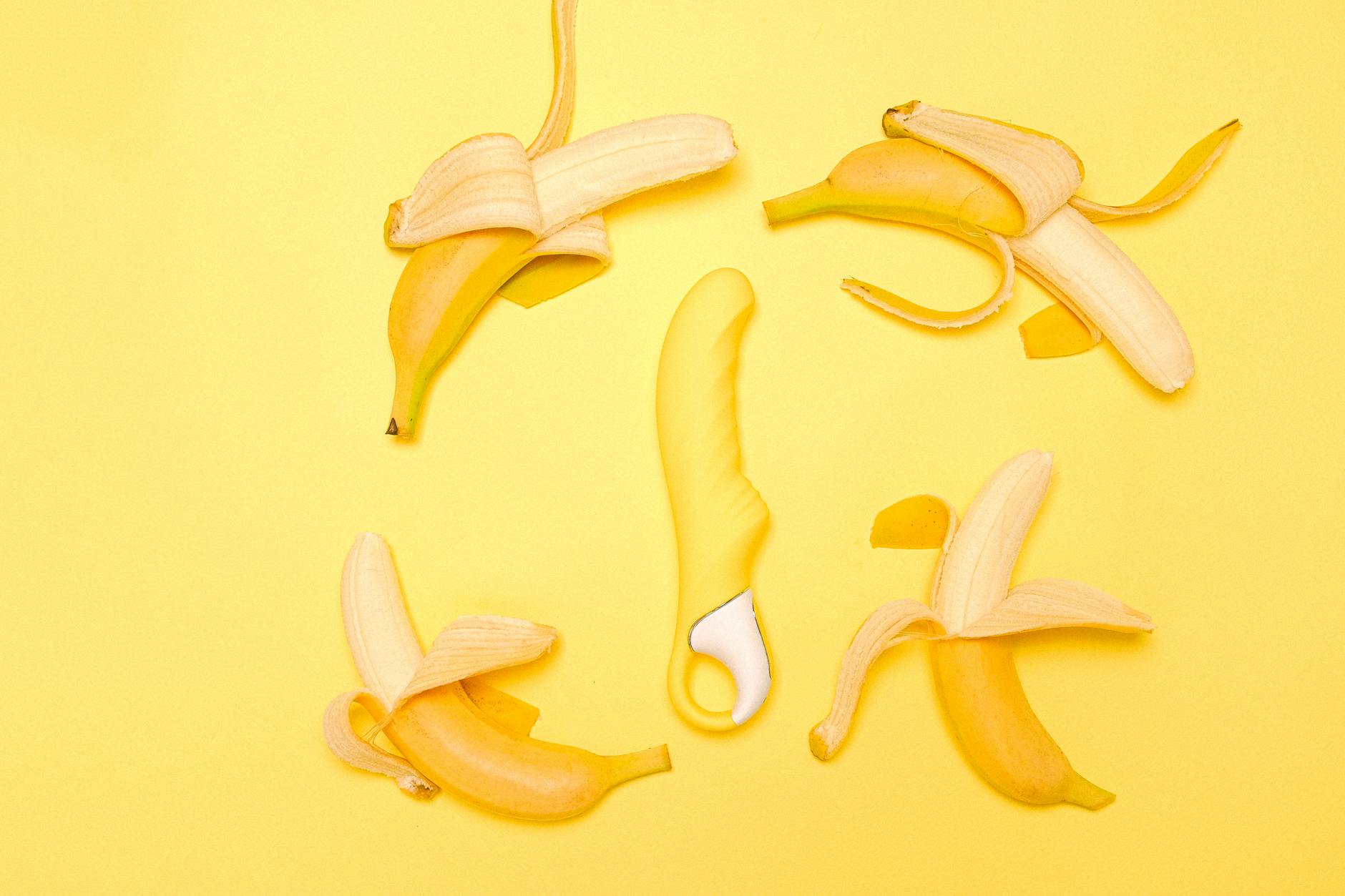
A traditional bullet vibrator or wand delivers constant, aggressive stimulation. A lemon clitoral vibrator like Hello Nancy's uses air-pulse suction technology instead. This matters enormously after orgasm because suction creates a gentler envelope of stimulation rather than direct vibration against sensitive tissue.
Think of it this way: after orgasm, your clitoris doesn't want hammering. It wants a softer, broader sensation that builds gradually. Suction does that naturally. The sensation is less about direct mechanical friction and more about rhythmic waves of gentle pressure. You get stimulation without the rawness.
The pause and shift strategy
Here's the technique that works: after your first orgasm, stop completely for 30 to 60 seconds. Breathe. Let your nervous system settle slightly. Your clitoris will still feel engorged and sensitive, but the acute overwhelm will ease.
Then, switch to the lowest setting on your lemon vibrator. The Lem's gentlest pattern is specifically designed for sensitive moments. Start around the outer edge of the clitoral mound, not directly on the glans. You're not trying to trigger another orgasm immediately. You're reintroducing sensation gradually and letting your body decide where to go next.
Many people find the second orgasm builds much more slowly than the first. That's normal and valuable. Slow builds create deeper, longer orgasms in many cases.
Angle and positioning matter more after climax
Before your first orgasm, direct clitoral contact works fine. After, angling matters. Try these shifts:
Rock the lemon vibrator slightly side to side rather than straight up and down. This distributes pressure across a wider area of tissue rather than concentrating it on the most sensitive spot. You'll feel less intensity but more sensation overall, which sounds like a downgrade until you actually experience it.
Move the vibrator an inch higher, targeting the area just above the clitoris where the hood begins. This is a forgotten zone that becomes incredibly responsive after orgasm because it's slightly less raw. Suction at this spot often leads to another round of pleasure without the overstimulation risk.
If you're partnered and they're using the vibrator, communication becomes essential. "Lower pressure," "move it a little up," "slow it down," and "give me ten seconds" are all valid mid-session requests. Your partner isn't failing you by pausing. They're protecting the pleasure you're building.
The role of lube and barrier sensitivity
After orgasm, your skin is more reactive. If you were already using lubricant, it may have started to absorb or dry slightly. A quick dab of water-based lube refreshes the glide and also creates a microscopic barrier that reduces how intense direct contact feels.
This is counterintuitive: more lube seems like more intensity, but it actually diffuses sensation slightly and makes the experience feel smoother rather than forceful. After your first orgasm, adding lube is often the fastest way to reset comfort without stopping entirely.
Spacing your orgasms: timing the next wave
There's no rule that multiple orgasms have to happen within two minutes of each other. Some people need three to five minutes between peaks. Others find that lying still with the vibrator on the lowest setting, just barely making contact, creates a slow building that leads to a second orgasm five or even ten minutes later.
This "slow recovery" approach is underrated. You're not chasing climax. You're maintaining a light touch that keeps you in the pleasure zone while your nervous system regulates. Then, when you feel another surge of arousal building, you gradually increase intensity and allow the next orgasm to arrive naturally.
If you're forcing the second orgasm on an artificial timeline, you'll hit overstimulation. If you let your body's actual arousal lead, multiple orgasms happen almost by accident.
Common mistakes that create overstimulation instead of pleasure
Staying at high intensity between orgasms is the biggest culprit. Your clitoris needs a rest, even if your brain wants to keep going immediately. Respect that mismatch.
Ignoring the hood is another. After climax, the clitoral hood becomes your ally. Keeping contact there instead of directly on the glans is actually strategic, not a workaround.
Finally, neglecting to adjust positioning. If you're using the same angle and pressure throughout the entire session, you're missing the chance to explore different sensations that feel amazing at different points in your arousal cycle. The clitoris is not a static target. It's a dynamic landscape that changes minute by minute.
When to stop and how to recognize genuine overstimulation
True overstimulation feels like sharp discomfort, numbness, or a burning sensation. It's different from sensitive pleasure, which still feels good even if it's intense. If you hit actual pain, stop immediately. No amount of "pushing through" makes it better.
Sensitivity that feels tender but good? That's the sweet spot where lemon vibrators shine. You can keep going with lower intensity and patient timing.
Your clitoris might also communicate through withdrawal: it literally retracts under the hood and becomes unreachable. That's your body saying "I need a break." Honor it. Stop, breathe, and either rest or try again in five minutes.
Partnered sessions with back-to-back pleasure
If you're with a partner, frame multiple orgasms as an exploration, not a performance goal. "I want to try coming more than once" is different from "I should be able to come five times." The first is curious. The second is pressure, and pressure kills sensation.
Have your partner watch your body's responses. Clues include your breathing pattern, muscle tension shifting, and whether you're actively moving your hips or staying still. These tell the real story about what's working.
And honestly? Some sessions will yield one powerful orgasm, and that's a complete experience. Not every solo or partnered session needs to be a marathon. Quality over quantity, always.
FAQ: Back-to-Back Pleasure and Overstimulation
How long should I wait between orgasms when using a lemon clitoral vibrator?
There's no magic number. Some people need just 30 seconds of lower intensity before pleasure rebuilds. Others need three to five minutes of rest or very light touch. The key is listening to your clitoris, not the clock. If sensation still feels sharp or numb, you're not ready. If arousal is rebuilding, you are.
Can overstimulation cause permanent damage to my clitoris?
No. Overstimulation feels terrible and can cause temporary numbness, but it resolves within minutes to hours. There's no lasting damage from using your lemon vibrator intensely. The discomfort is your body's way of saying "I need a different approach," not "you've broken something."
Is it normal for my second orgasm to feel less intense than the first?
Completely normal. Many people report that second and third orgasms are longer but less intense in terms of peak sensation. This is because your nervous system is already somewhat activated. The tradeoff is often worth it: longer, more diffuse pleasure instead of one sharp peak.
Should I use lubricant between my first and second orgasm?
Yes, usually. A fresh dab of water-based lube adds a small barrier that makes direct clitoral contact feel less raw without sacrificing sensation. It's one of the quickest ways to reset comfort while maintaining pleasure.
Does lowering the intensity of my lemon vibrator reduce pleasure, or just pain?
It reduces both, but not equally. You lose some intensity, yes. But you gain sustainability and the ability to explore different sensations. And often, that slower build creates a different kind of pleasure that many people actually prefer to the high-intensity rush. It's not a downgrade. It's a redirect.
Can my partner help me avoid overstimulation, or is this something only I can manage?
Your partner can absolutely help if you communicate clearly. Brief check-ins ("too much," "a bit lower," "move it up") keep them in sync with what's actually happening in your body. But you're the expert on your own sensation, so you set the pace and intensity. Your partner is there to hold the vibrator and respond to your cues, not to improvise.
The bigger picture: pleasure without pressure
Multiple orgasms are genuinely possible with a lemon vibrator and the right technique. But they're not a requirement or a performance metric. One orgasm that feels incredible is infinitely better than three that cause pain or numbness.
The goal isn't quantity. It's quality, presence, and listening to what your body actually wants in each moment. Once you start tuning into those shifts, multiple orgasms often happen as a natural result, not a forced goal.
Your clitoris is incredibly responsive. It's also honest. It will tell you when intensity is working and when you need to shift gears. The skill is learning that language, and tools like a lemon clitoral vibrator make it easier to explore safely.
If you're curious about other ways to enhance sensation without overstimulation, check out our guide on how to use a lemon vibrator when sensitivity shifts without hormonal changes. You might also find it helpful to explore how clitoral vibrators help with sensation changes after midlife transitions if you've noticed recent shifts in how your body responds.
Pleasure is not a race. It's a conversation between you and your body. A lemon vibrator simply makes that conversation easier to have.