The thing nobody tells you about pleasure disconnection
You're not broken. Your libido hasn't vanished forever. But right now, touching yourself feels like touching someone else's hand. Sensation is there technically, but it's landing somewhere north of where it used to land. This is pleasure anhedonia, and it shows up more often than depression or medication side effects alone can explain.
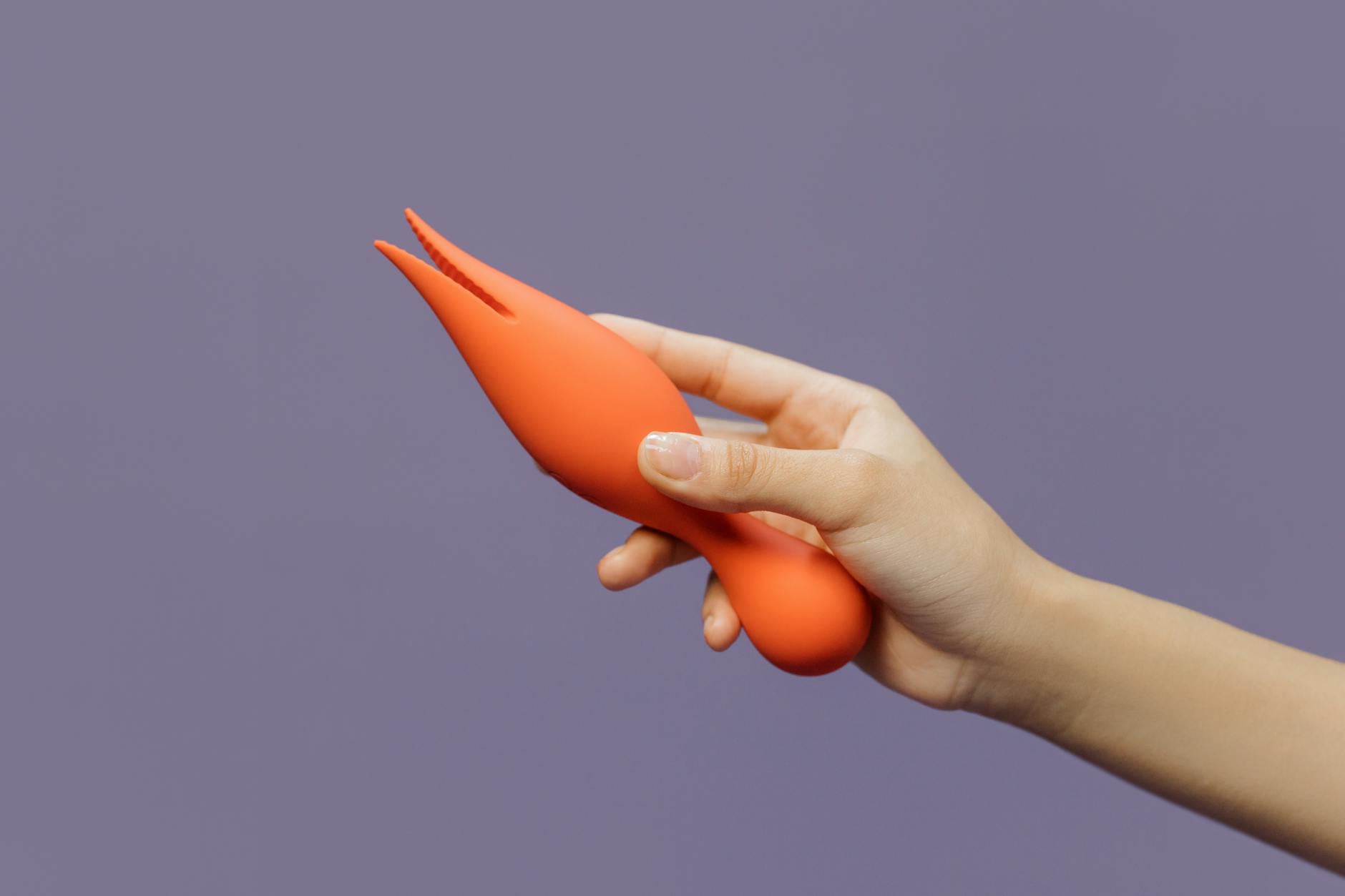
It happens after burnout, relationship rupture, grief, prolonged stress, hormonal shifts, or sometimes for no reason your brain will tell you. The nervous system pulls back. Pleasure doesn't feel rewarding anymore. Your lemon vibrator becomes just another thing you own instead of a tool that does anything.
Here's what I know from years of coaching people through this: reconnection is possible, and it rarely happens through willpower alone. It happens through smart, patient exploration.
Why pleasure feels blocked in the first place
Let's be clear about the physiology. When you're in a prolonged stress state or depression, your brain downregulates dopamine responsiveness. That's the neurotransmitter that makes pleasure feel pleasurable. You can have all the physical sensation in the world, but if dopamine isn't signaling reward, your brain just logs it as neutral information. Not pain. Just... nothing.
This is different from low libido from medication or hormones, though it often travels with those things. It's different from numbness after trauma, though they can overlap. Pleasure anhedonia is your nervous system's way of conserving energy when it thinks you need it elsewhere.
The good news: your clitoral nerve endings haven't forgotten how to fire. The wiring is still there. You're not numb in the way tissue goes numb. You're numb in the way a radio goes quiet when it's tuned to static.
How lemon vibrators approach sensation differently
Traditional vibrators buzz. They create oscillation. For most people, that works beautifully. But when pleasure feels blocked, oscillation sometimes feels like background noise your nervous system can safely ignore. It registers, but doesn't grip.
Lemon suction technology works differently. Instead of vibration, it creates gentle rhythmic suction and release against sensitive tissue. This is a fundamentally different sensation pathway. It's more of a pulling feeling than a buzzing feeling. For people in anhedonia, this can feel less like neutral background and more like actual information your nervous system decides is worth paying attention to.
The suction creates more of a focal point. Instead of vibration spreading stimulus across a wider area, suction concentrates sensation. For someone whose nervous system has learned to tune out diffuse input, that concentration matters.
Starting small when sensation feels far away
Don't start with patterns. Don't start with intensity. Start with permission.
The first thing I tell clients is this: you're not trying to have an orgasm. You're not trying to feel turned on. You're conducting a nervous system experiment. The goal is simply to notice what's happening, without evaluating whether it's "good" pleasure.
Set aside 20 minutes when you're not stressed and not sleepy. Not when you should be doing something else. Not when you're performing sexuality for anyone. Just time.
Lay down. No vibrator yet. Notice your breath. Notice where your body makes contact with the surface beneath you. This isn't breathing exercise mysticism. This is remapping attention back to your own body after your nervous system has learned to look elsewhere.
After 5 minutes of that, introduce the lemon clitoral vibrator. Start at the lowest setting. Just hold it near your clitoris without activation. Feel the weight of it. The temperature. The texture. Your nervous system is collecting data before doing anything.
Then turn it on, lowest setting, very briefly. Ten seconds. Off. What did you notice? Not "was it good," but what happened in your body. Did your breath change? Did a muscle tense? Did anything shift?
You're looking for signal, not sensation. Signal is smaller than pleasure. It's your nervous system's way of saying "okay, I registered that." That's enough.
The pacing that actually works
Here's where most people get stuck: they expect reconnection to feel like the way pleasure used to feel. It won't. At first.
When anhedonia breaks, it usually breaks sideways, not vertically. You don't suddenly feel amazing. You feel... more present. Less static. Like the radio is starting to resolve into stations instead of pure fuzz.
Build sessions in small increments. Five minutes is enough. Ten is generous. You're not trying to create a crescendo. You're trying to teach your nervous system that this input is safe and consistent.
On a lemon vibrator, that often means setting 1 or 2, single pattern, 5-10 minute sessions 2-3 times per week. Not daily. Your nervous system needs time to process and recalibrate between sessions.
If you feel nothing, that's not failure. That's data. If you feel mild pressure or a gentle thrumming without the pleasure component, that's also data. Over weeks, something often shifts. Not always dramatically. Sometimes you just notice one day that you're using it and your breath is a little faster than it was before. That's the signal.
What gets in the way (and how to sidestep it)
Performance pressure will kill this. The moment you catch yourself thinking "I should be feeling more than this by now," pause. Tell yourself the truth: you're reconnecting. This is what reconnection looks like when you're in it. Not the Instagram version.
If you have a partner, don't involve them in this phase. This isn't about them. This is between you and your own nervous system. Explain that if you ask them to help, you'll let them know. Otherwise, this is solo time. Most partners will respect that once they understand it's not about them.
If you're on medication that affects arousal, know that this practice can coexist with that. The lemon vibrator doesn't bypass medication. But it can help your brain stay familiar with pleasure sensation even when dopamine is lower. You're maintaining the pathway even when the signal is weak.
If pleasure anhedonia is tied to depression or serious trauma, you deserve therapeutic support. A lemon clitoral vibrator is a tool, not a treatment. Pair it with a therapist who understands how disconnection works.
When sensation starts returning
After 4-6 weeks of consistent, low-pressure practice, most people notice something. Sometimes it's a moment during a session where you feel something actually land as pleasurable, not just as input. Sometimes it's noticing you're thinking less about whether you should be enjoying it and more about what you're actually experiencing.
When you notice that, resist the urge to chase it. Don't suddenly jump to higher intensity. This is the moment to stay steady. Keep your session length the same. Keep your pattern selection minimal. You're not capitalizing on the moment. You're honoring that your nervous system is beginning to trust again.
After 8-12 weeks, you'll have more bandwidth to experiment. Maybe you try pattern 3 instead of pattern 1. Maybe you extend a session to 12 minutes. Maybe you bring your partner in. That timeline isn't universal, but rushing past it usually puts people right back where they started.
The relationship part, if there is one
If you're partnered, they might feel like they're the problem. They're probably not. Anhedonia is an equal-opportunity thing that doesn't care how attractive your partner is.
When you're ready to bring them in, keep it separate from your solo practice. This is not the time to ask them to recreate what you've been doing alone. Instead, let them know what pattern or setting you've found works best, and let them be in the room with you using it. That's different from being the one operating it. Your body stays in control. They're present, not performing.
Or maybe you keep using the lemon vibrator solo and they're just near you. Foreplay doesn't have to mean simultaneous pleasure. Sometimes reconnection means enjoying something alone while your partner watches and appreciates that you're coming back to yourself.
FAQ: Getting unstuck with lemon vibrators
Why doesn't my lemon clitoral vibrator feel like anything yet?
Your nervous system is in protection mode. That's not a problem with the tool. It's a message from your body that it needs time and safety before it signals pleasure again. Keep your sessions short and consistent. Don't jump to higher patterns or longer sessions hoping for breakthrough. The breakthrough usually comes from steady, undramatic practice. If it's been 8+ weeks with no shift at all, consider whether depression or trauma might need professional support alongside your practice.
Can I use a lemon vibrator if I'm on antidepressants?
Yes. Antidepressants don't block physical sensation. They lower dopamine responsiveness, which means pleasure might feel muted. But using your lemon vibrator regularly keeps the neural pathway active. When your nervous system starts to recalibrate, those pathways are primed to fire again. Don't assume the vibrator won't work because medication is involved. It often does.
Is suction actually better than vibration for disconnected pleasure?
Not universally. But for many people with anhedonia, suction creates a more focal, deliberate sensation that's harder to tune out. If you're someone whose nervous system learned to ignore diffuse input, the concentrated pull of suction sometimes breaks through that filtering better than spread vibration does. But some people prefer vibration even when reconnecting. Try both, and trust what your body actually responds to.
How do I know if I'm just depressed versus specifically having pleasure anhedonia?
Anhedonia is the absence of pleasure signal, even when something used to feel good. Depression is broader. You might have energy, motivation, and good moods but still feel nothing from things you loved. Or you might have low mood plus anhedonia. They travel together often. If you're unsure, a therapist can help sort it out. Either way, this practice works alongside treatment.
My partner thinks I'm not attracted to them anymore. How do I explain what's really happening?
Say this: "I'm experiencing something called anhedonia. My nervous system pulled back on pleasure for a while. This isn't about you or how I feel about you. It's my nervous system recalibrating. I'm working on reconnecting with sensation in a patient way. I want you with me, but I need to do some of this alone first." Most partners hear that and understand. You're not rejecting them. You're rebuilding yourself. That usually feels different to them once they hear it clearly.
How long until my pleasure feels normal again?
There's no timeline. For some people, 6-8 weeks of consistent practice shifts something. For others, it takes 3-4 months. Occasionally it takes longer if the underlying stress or trauma is still active. Focus on the practice itself, not on when you'll be "fixed." The expectation usually gets in the way. Show up for yourself with a lemon vibrator or another tool, consistently, without a deadline. Most people find that at some point, without fanfare, they notice they wanted something. That's how it starts coming back.
The gentle truth
Disconnection from pleasure is telling you something. Your nervous system is tired or scared or processing something big. Listen to that first. A lemon suction vibrator is a tool for reconnecting, not a shortcut past what you actually need to feel.
But it is a tool. And for many people, returning to sensation through patient, pressure-free exploration with a quality device like a lemon clitoral vibrator becomes the first small evidence that pleasure isn't gone. It's just waiting for your nervous system to decide it's safe to signal again.
If you want to explore options for reconnecting with sensation, you can read more about how to choose a lemon vibrator or learn about using intensity settings thoughtfully to match where you are right now.
Start where you are. Not where you think you should be. Your nervous system knows the difference.